Thomas Hawk posted a photo:

Thomas Hawk posted a photo:
jspeter9191 has added a photo to the pool:

In the morning at Richmond, Sydney, Australia,
God bless you.
DEN HAAG (ANP) - De vijftig acties die woonminister Elanor Boekholt-O'Sullivan maandag heeft aangekondigd om de woningbouw te versnellen, zorgen er niet voor dat het kabinet het doel van 100.000 nieuwe huizen per jaar haalt. Dat stelt Vastgoed Belang, de brancheorganisatie van particuliere verhuurders. De belangenbehartiger noemt dat streven "niet realistisch".
Vastgoed Belang zegt dat de ambities "steun verdienen, maar worden gedwarsboomd door het ministerie van Financiën". Dat ministerie blijft volgens de brancheorganisatie private investeringen in de woningmarkt ontmoedigen. Lokale regeldruk verminderen is belangrijk, zegt voorzitter Niek Verra. "Maar op Prinsjesdag werd duidelijk dat de belastingdruk op woningverhuurders extreem hoog blijft en de belastingdruk in box 3 zelfs stijgt. Zo blijft het onaantrekkelijk en in veel gevallen onmogelijk om te investeren en worden die woningen alsnog niet gebouwd."
BEIJING (ANP) - De Chinese president Xi Jinping reist deze week voor een staatsbezoek naar de Verenigde Staten. Het bezoek duurt van woensdag tot en met vrijdag, aldus Chinese staatsmedia. Er zijn vooralsnog geen verdere details bekend.
Het bezoek volgt maanden na het bezoek van de Amerikaanse president Donald Trump aan Xi in Beijing. Ze ontmoetten elkaar daar afgelopen mei. Kort daarna werd bekend dat Xi een uitnodiging van Trump voor een bezoek aan de VS had geaccepteerd en dat de reis in het najaar zou plaatsvinden.
Een goede buur is beter dan een verre vriend, maar in de praktijk blijkt een goede burenrelatie lang niet altijd vanzelfsprekend. Op 26 september is het Nationale Burendag, een dag die juist in het teken staat van het vormen van een betere band met de buren. Toch blijkt uit onderzoek van Heijnen Planten, uitgevoerd door PanelWizard onder 2.141 Nederlanders, dat 42% weleens een meningsverschil of ruzie met de buren heeft gehad. Bij 10% liep het conflict zo hoog op dat een mediator, de politie of een rechter moest worden ingeschakeld.
Een onverzorgd huis en tuin, achterstallig onderhoud of onduidelijkheid over de erfgrens zijn regelmatig aanleiding voor irritatie. Zo ergert 39% van de Nederlanders zich weleens aan de staat of het onderhoud van het huis of de tuin van de buren. Daarnaast heeft 16% ooit een discussie gehad over de erfgrens of de tuin. Een van de respondenten vertelt: "De buren waren boos nadat ik onze eigen struik had gesnoeid, omdat die hen schaduw gaf."
Ook Paul Tijssen, mediation expert bij Match-it Opleidingen, herkent dit patroon: "Conflicten gaan vaak over de tuin en de overlast die daarbij ontstaat, zoals geluidsoverlast." De directe woonomgeving weegt bovendien zwaar mee in hoe mensen hun eigen woongenot ervaren: bijna de helft van de Nederlanders geeft aan dat de staat van het huis en de tuin van de buren direct invloed heeft op hun woongenot.
Hoewel er bij veel Nederlanders weleens irritaties rondom de buren spelen, vindt de meerderheid het lastig om deze bespreekbaar te maken. Ruim de helft (54%) zegt een ergernis niet altijd aan te kaarten uit angst dat de onderlinge relatie verslechtert. Onder dertigers ligt die drempel nog hoger: 66% vermijdt het gesprek. Tijssen waarschuwt daarvoor: "Wacht niet te lang met het aangaan van het gesprek. Hoe langer een ergernis blijft liggen, hoe groter de kans dat frustraties zich opstapelen en een klein probleem uitgroeit tot een burenruzie."
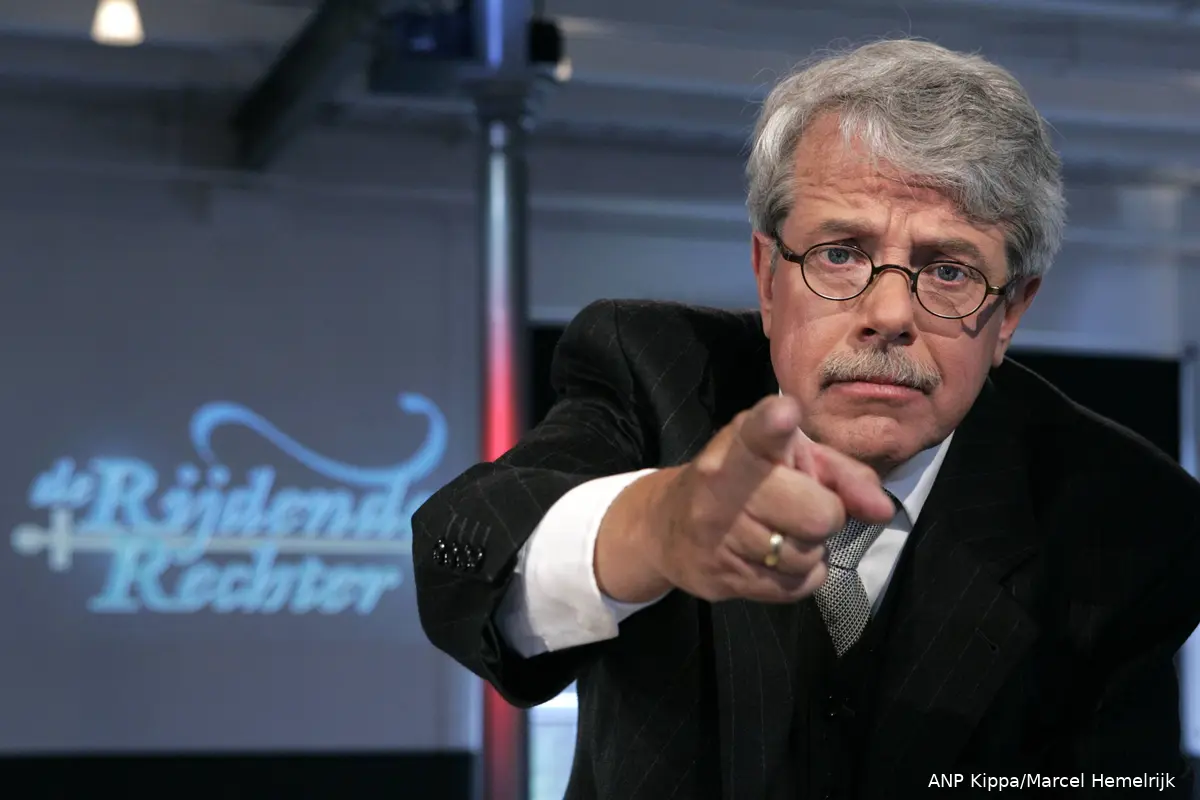
DEN HAAG (ANP) - Staatssecretaris Silvio Erkens (Visserij) werkt aan een nieuwe proef met pulsvisserij met het doel om andere EU-landen van deze techniek te overtuigen. Zijn woordvoerder bevestigt na berichtgeving in De Telegraaf dat de VVD-bewindsman hier 1,3 miljoen euro voor uittrekt.
Nederland liep ooit voorop met deze vangmethode die volgens voorstanders beter is voor het onderwaterleven, maar dat riep weerstand op bij vissers uit andere EU-landen en natuurbeschermers. In 2018 werd de vistechniek verboden in de EU. Met pulsvissen worden vissen op de zeebodem met kleine stroomstootjes het net in gejaagd, in plaats van een zware ijzeren ketting over de zeebodem te trekken.
Onder strikte voorwaarden mag wel kleinschalig worden geëxperimenteerd met pulsvisserij. Erkens hoopt binnenkort zijn akkoord te kunnen geven voor een proef met twee schepen. Hij hoopt later ook schepen uit andere EU-landen als België en Duitsland te kunnen toevoegen aan de pilot, zodat Nederland hierin niet alleen staat.
AMSTERDAM (ANP) - De AEX-index is met winst begonnen aan de nieuwe beursweek. Een verdere daling van de olieprijzen temperde de zorgen over de inflatie. Beleggers kijken verder vooral uit naar de topontmoeting tussen president Donald Trump en zijn Chinese ambtgenoot Xi Jinping, die donderdag in Washington plaatsvindt. De voorbereidende gesprekken tussen de Amerikaanse minister van Financiën Scott Bessent en de Chinese vicepremier He Lifeng zijn volgens beide partijen afgelopen zondag positief verlopen.
De Verenigde Staten en China willen de spanningen over handel en technologie verminderen. Ook een mogelijke verlenging van hun handelsbestand en de levering van zeldzame aardmetalen staan op de agenda.
De Amsterdamse hoofdindex noteerde maandag kort na opening van de markt 0,7 procent hoger op 1102,52 punten. De AEX sloot vrijdag 0,5 procent lager, ondanks stevige koerswinsten van de chipbedrijven. Besi, ASML en ASMI gingen verder omhoog en wonnen ruim 2 procent, na winsten tot 2,9 procent op vrijdag.
Je bent van plan je kinderen een erfenis van twee ton na te laten, een mooi vangnet. Normaal gesproken gaat €18.887 daarvan naar de schatkist, maar met een beetje voorbereiding had dat geld gewoon in de familie kunnen blijven.
Kinderen krijgen een vrijstelling van €26.230. Alles daarboven wordt belast: 10% tot €158.669, en 20% over het deel daarboven. Bij een erfenis van €150.000 is dat dus al €12.377 aan erfbelasting. Bij €200.000 loopt dat op tot bijna €19.000. Hoe groter de erfenis, hoe harder de fiscus afroomt.
Ouders mogen hun kinderen jaarlijks €6.908 belastingvrij schenken (2026). Doe je dat structureel, dan bouw je stilletjes vermogen af zonder dat er ooit erfbelasting over wordt geheven, omdat het bedrag nooit in de nalatenschap belandt.
Voor kinderen tussen de 18 en 40 jaar is er ook een eenmalige belastingvrije gift mogelijk van €33.129. Ideaal voor bijvoorbeeld een huis of studie en meteen een flinke hap uit de toekomstige erfenis, dus uit de belastinggrondslag.
Schenk je binnen 180 dagen voor overlijden, dan telt de gift alsnog mee voor de erfbelasting. Slim schenken werkt dus alleen als je op tijd begint en het spreidt over de jaren, niet als noodgreep op het laatste moment.
Naast schenken kun je via een testament vastleggen dat bijvoorbeeld een legaat belastingvrij aan je kind toekomt, waarbij iemand anders de erfbelasting voor zijn rekening neemt. Erfbelasting volledig omzeilen lukt zelden, maar met een slim testament en tijdig schenken bespaar je je kinderen alsnog duizenden euro's.
Kortom: wachten tot het zover is, is de duurste optie. Wie op tijd begint met schenken en zijn testament goed regelt, houdt aanzienlijk meer vermogen binnen de familie.
Bron: Womanly


Maandenlang zitten de agenten op de politiebureaus op hun stoel te wippen van ongeduld tot ze weer buiten mogen spelen op de jaarlijkse iftarkermis - als ze de iftar niet gewoon zelf op hun eigen bureau organiseren. Dan duikelen ze over elkaar heen om lekker vooraan op rij 2 te mogen zitten bij een met 'verbinding' gelardeerde toespraak van Femke Halalsema, terwijl de pliesie gewoon lekker helemaal weg zou moeten blijven van die malle bunkerfuifjes met haatsjeiks, klaagsmurfen en Hamasgriezels, en wel om tig redenen. Omdat 'de politiek' na jáááren wegkijken tot het besef LIJKT te komen dat het wel een tikkie vreemd is dat die zogenaamde neutrale politie een uitzonderingspositie creëert (en de gedachte dat dat normaal is aanwakkert) voor een nogal dwingend, regressief, vrouwenbeperkend, homohatend (huu manosfeer) en repressief geloof, lijkt het erop dat er 'afspraken' worden gemaakt voor 'striktere naleving van de neutraliteit van de politie'. In het nieuwe 'handelingskader' van de wouten zijn 'externe religieuze bijeenkomsten' (Pasen!?!) de sjaak. "Actieve deelname aan ramadanvieringen wordt daarmee aan banden gelegd." Ja nou. Eerst zien, dan geloven.
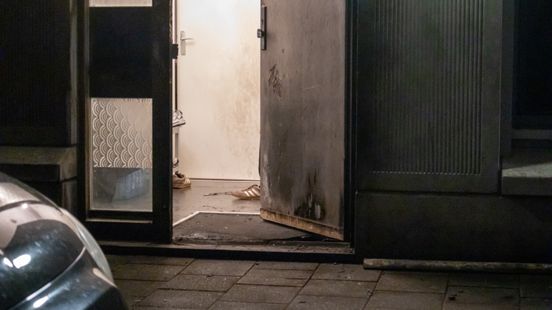
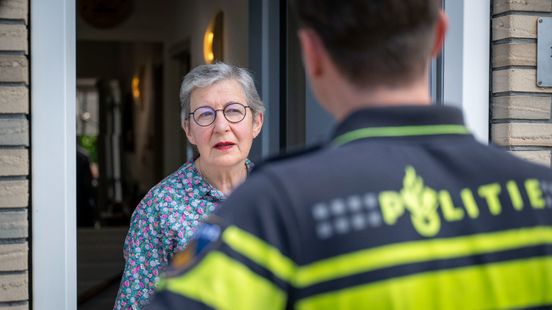
Stirchley was selected not despite its perceived hostility to the flagging movement, but because of it. Participants appear to have understood that their presence would be unwelcome and sought, through repeated public displays, to assert symbolic dominance over a population constructed as politically and culturally antagonistic. As Bridge excitedly declared during one Facebook livestream, 'they hate us here'.
Jensen Huang dismisses warnings from former Anthropic researcher and others as ‘doomsday narratives’
The boss of the chipmaker Nvidia has said that AI will not develop to a point that will lead to the extinction of the human race within a few years, rejecting such assertions as overblown “doomsday narratives”.
Jensen Huang, the co-founder and chief executive of the $5tn AI chipmaker, said that the claims made on social media by former Anthropic researcher Jacob Coxon that AI could become “superhuman” and kill off humanity within the decade was “irresponsible”.
Continue reading...