Player struck rebounding ball into Beijing crowd
Djokovic advances to final against De Minaur
Daniil Medvedev was disqualified from his China Open semi-final clash with Novak Djokovic after hitting a rebounding ball into the crowd that struck an unwitting spectator in the eye.
The Russian world No 5 Medvedev was trailing 7-5, 5-3 on Monday and had lost a point when he frustratedly struck a ball that had coming off a back wall. The spectator, sitting in the first row, clutched his left eye and appeared in pain as he left the gallery, assisted by stadium staff.
Continue reading...Modi government, election body and its head issued notices after removal of millions from lists prompts mass protests
India’s supreme court has demanded accountability from the government and the senior election body over a controversial exercise that has led to the deletion of tens of millions of voters from the electoral roll and prompted mass protests.
Demonstrations have erupted across the country in recent days as opposition parties, student groups and the youth-led Cockroach movement have demanded the resignation of Gyanesh Kumar, the head of the Election Commission of India (ECI).
Continue reading...Public figures back commissioner’s call for government commitment to funding legal support for those affected
The singer and television personality Mel B says she is “heartbroken” by the Windrush scandal victims’ fight for justice, as the Windrush commissioner urges ministers to commit to providing funding for legal support for those affected by the end of October.
In April, the Guardian revealed that the Home Office had refused to pay compensation in more than half the claims made by victims of the scandal, in which mainly Black Britons who came legally to postwar Britain were wrongly stripped of citizenship and settlement rights.
Continue reading...The Guardian’s picture editors select photographs from around the world
Continue reading...BEIJING (ANP) - Novak Djokovic heeft de finale van het ATP-toernooi van Beijing bereikt na een diskwalificatie van zijn tegenstander Daniil Medvedev. De Rus sloeg bij een stand van 7-5 5-3 in het voordeel van Djokovic een bal weg en raakte daarbij een toeschouwer. Hij werd daarop door de umpire gediskwalificeerd.
Djokovic won het toernooi in Beijing zes keer. De laatste keer deed hij dat in 2015. Het is voor het eerst sinds de Australian Open begin dit jaar dat de voormalig nummer 1 van de wereld dit seizoen in de finale van een ATP-toernooi staat.
In de finale neemt de Serviër het op tegen Alex de Minaur. De Australiër zag zijn tegenstander Hubert Hurkacz uit Polen in de tweede set van hun partij opgeven. De Minaur leidde toen met 6-4 3-2.
AMSTERDAM (ANP) - Winkelstraten in Nederland zijn in het afgelopen kwartaal opnieuw rustiger geworden, meldt onderzoeksbureau RMC. De organisatie wijt dit aan de recordhete zomer.
Uit de cijfers van RMC komt naar voren dat het aantal passanten in de winkelstraten in de eerste drie kwartalen van dit jaar is gedaald met 2,4 procent vergeleken met dezelfde kwartalen van vorig jaar. Vooral in grote steden gingen minder mensen winkelen. In juli en augustus daalde het aantal met 3,7 procent en 3,5 procent en in september nam het verder af met 4,7 procent. Eerder liet RMC al weten dat de winkelstraten in de eerste helft van 2026 minder druk waren.
Het KNMI meldde eind augustus dat het deze zomer met een gemiddelde temperatuur van 19,3 graden de warmste zomer sinds het begin van de metingen was. "Bij aanhoudende hitte zoeken mensen verkoeling op. Ze kiezen dan eerder voor het strand, het water of hun eigen tuin dan voor een drukke binnenstad", zegt Kevin Miley, directeur van RMC.
DEN HAAG (ANP) - Het Weekend van de Wetenschap, dat ieder jaar in het eerste weekend van oktober valt, trok deze editie 125.000 bezoekers. Ruim driehonderd organisaties door heel Nederland openden op 3 en 4 oktober hun deuren voor bezoekers en lieten ze kennismaken met wetenschap en technologie.
Het Weekend van de Wetenschap is een initiatief van het ministerie van Onderwijs, Cultuur en Wetenschap. Verschillende organisaties zoals universiteiten, bibliotheken en ziekenhuizen verwelkomen kinderen en volwassenen om zelf proefjes te doen, mysteries op te lossen en onderzoekers te ontmoeten. 'Hoe werkt het?' was het overkoepelende thema.
Een aantal uitschieters in bezoekersaantallen waren dit jaar het Radboud UMC, Saxion Hogeschool, de Erasmus Universiteit, het KNMI, NEMO Science Museum en Universiteitscampus Den Haag. Ook nieuwe deelnemers 'Wetenschap op het Strand' in Almere en het Sport Science Centrum op Papendal wisten veel mensen te trekken.
WASHINGTON (ANP) - De langstzittende Republikeinse voorzitter van het Amerikaanse Huis van Afgevaardigden, Dennis Hastert, is op 84-jarige leeftijd een natuurlijke dood gestorven. Dat melden de autoriteiten in Kendall County, Illinois. Hastert was van 1999 tot begin 2007 de zogenoemde Speaker of the House.
Nadat zijn voorganger Newt Gingrich in de nasleep van het Republikeinse verlies bij de midtermverkiezingen van 1998 was opgestapt, volgde Hastert Gingrich uiteindelijk op. Anders dan gebruikelijk gaf hij zijn toespraak in functie niet vanaf het voorzitterspluche, maar vanuit de zaal. Hastert gold indertijd als "diep conservatief".
Hastert raakte in de jaren tien in diskrediet vanwege vermeende zedendelicten met kinderen, een misstap waarvoor hij uiteindelijk niet werd veroordeeld, omdat de zaken reeds waren verjaard. Wel kreeg hij in 2016 een gevangenisstraf opgelegd voor het stilhouden van een misbruikslachtoffer met financiële middelen. Tijdens die zaak erkende hij het misbruik, waarvoor hij zijn excuses aanbood.
Een man uit Nederland is begin mei benoemd tot minister van Justitie in een omstreden regering van de Rapid Support Forces (RSF) in Sudan. Dat blijkt uit onderzoek van de NOS. Bronnen melden aan Rijnmond dat het gaat om een man uit Sliedrecht.



Elon Musk says SpaceXAI, the company formed by merging SpaceX and xAI, will be renamed SpaceXSI after President Donald Trump ordered US federal agencies to replace "Artificial Intelligence" with "Super Intelligence" in all comms. Trump's September 29 executive order directs federal agencies to switch from AI to SI in official communications and other non-statutory documents. Musk endorsed the change, posting "No more AI. SI. It's better," and confirmed plans to rename SpaceXAI: "Yes, we will make that change." He gave no date for the rebrand. At the time of writing, the spacexsi.com domain was listed for sale. SpaceXSI sounds somewhat like a performance car of the 1990s, or perhaps a family wagon with sporting aspirations. This writer remembers putting his driving license at risk in a Peugeot 106 XSi, occasionally finding that ambition exceeded ability. We asked OpenAI whether it plans to rebrand as OpenSI. The company has yet to respond. Trump's order does not require private companies to change their names. Tech leaders including Mark Zuckerberg already use "superintelligence" to describe their ambitions. Trump's order goes further by applying the label to technologies covered by the existing federal definition of AI. Musk has form when it comes to rebranding. Twitter became X in July 2023, nine months after he bought it. "SpaceX is a super intelligence company," Musk posted. Bad news for NASA, which probably thought it had something to do with rockets. ®

Elke week legt Annemiek Leclaire een lezersvraag voor aan deskundigen. Deze week: hoe voeden we de omgeving op over de donor?
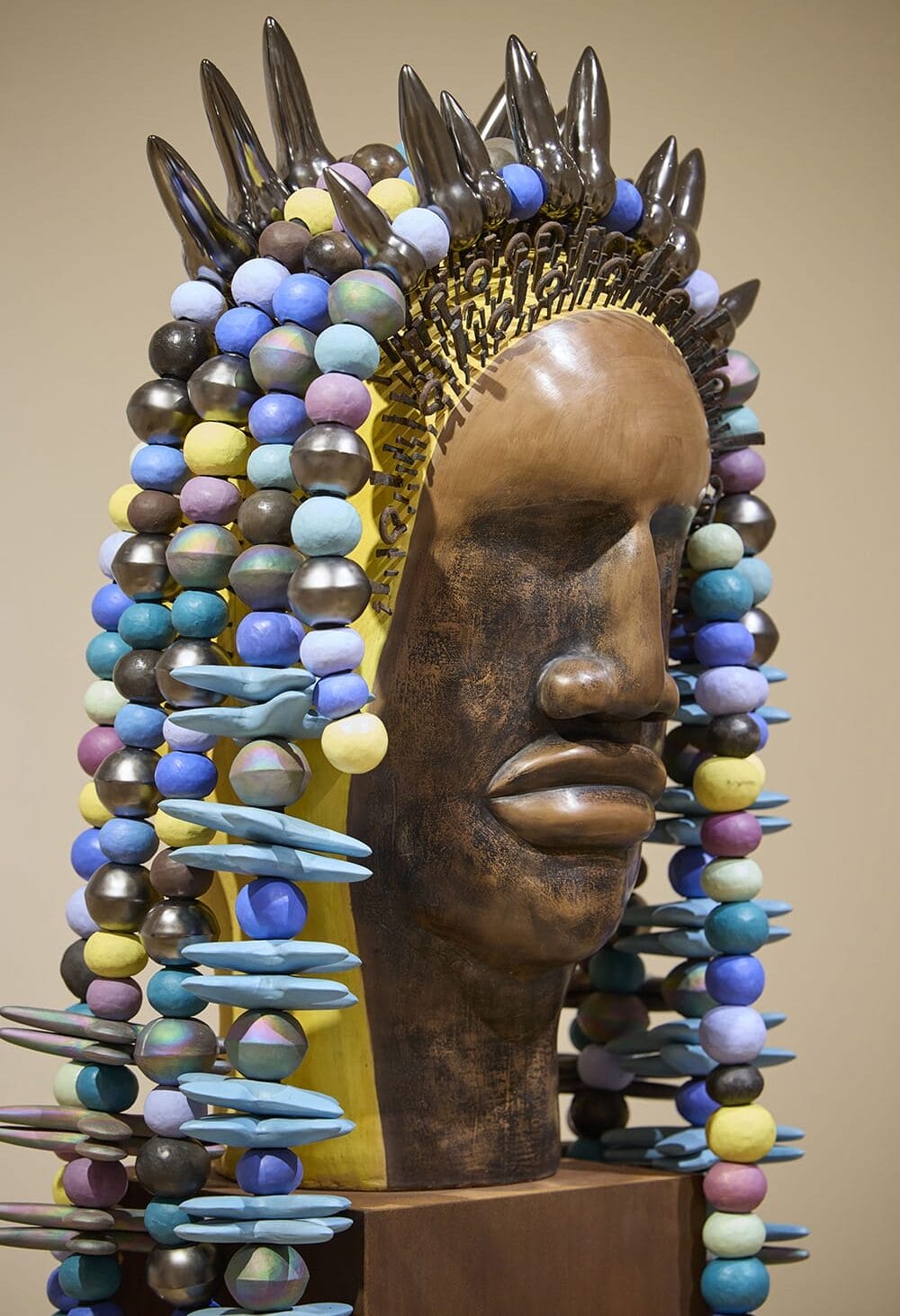
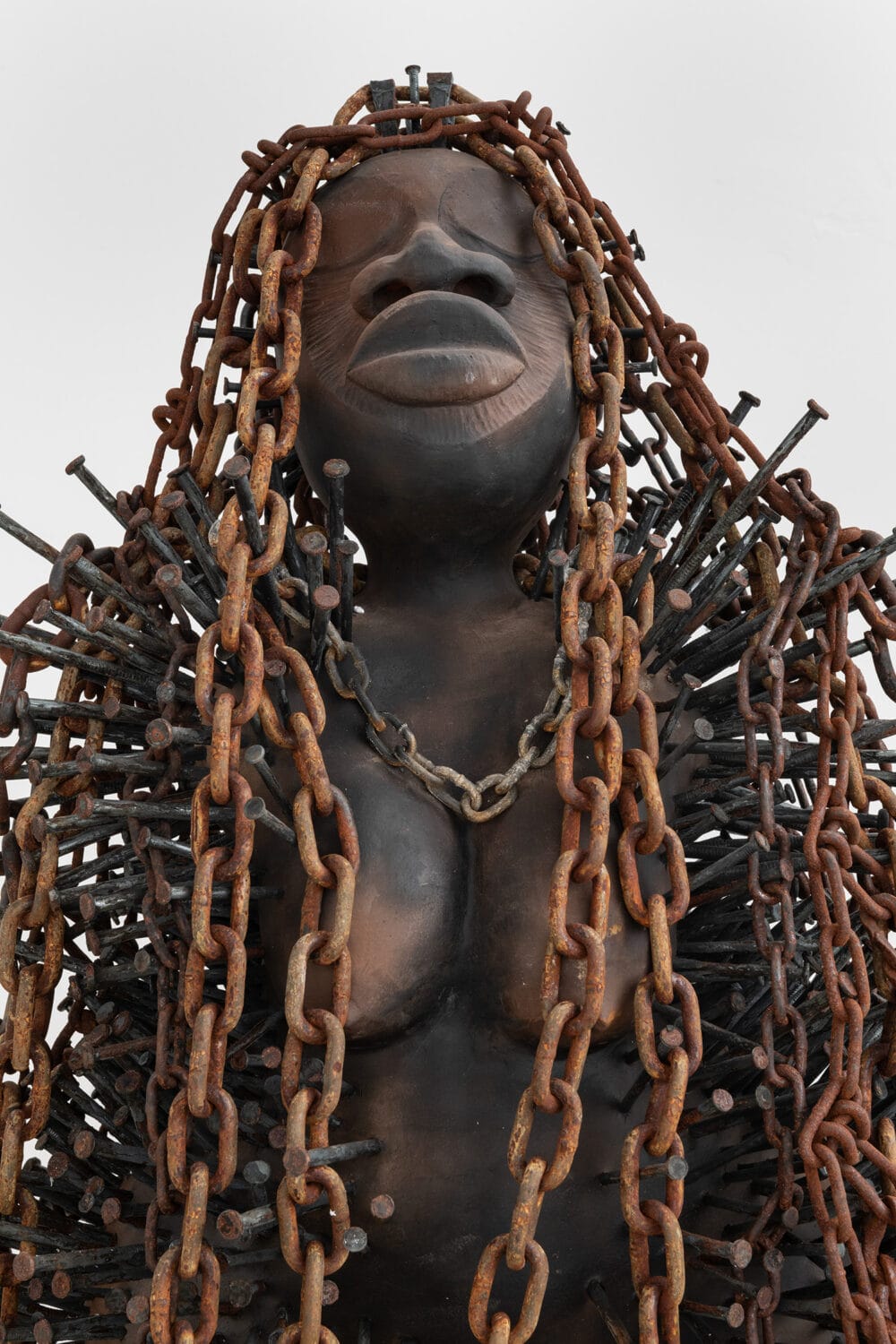
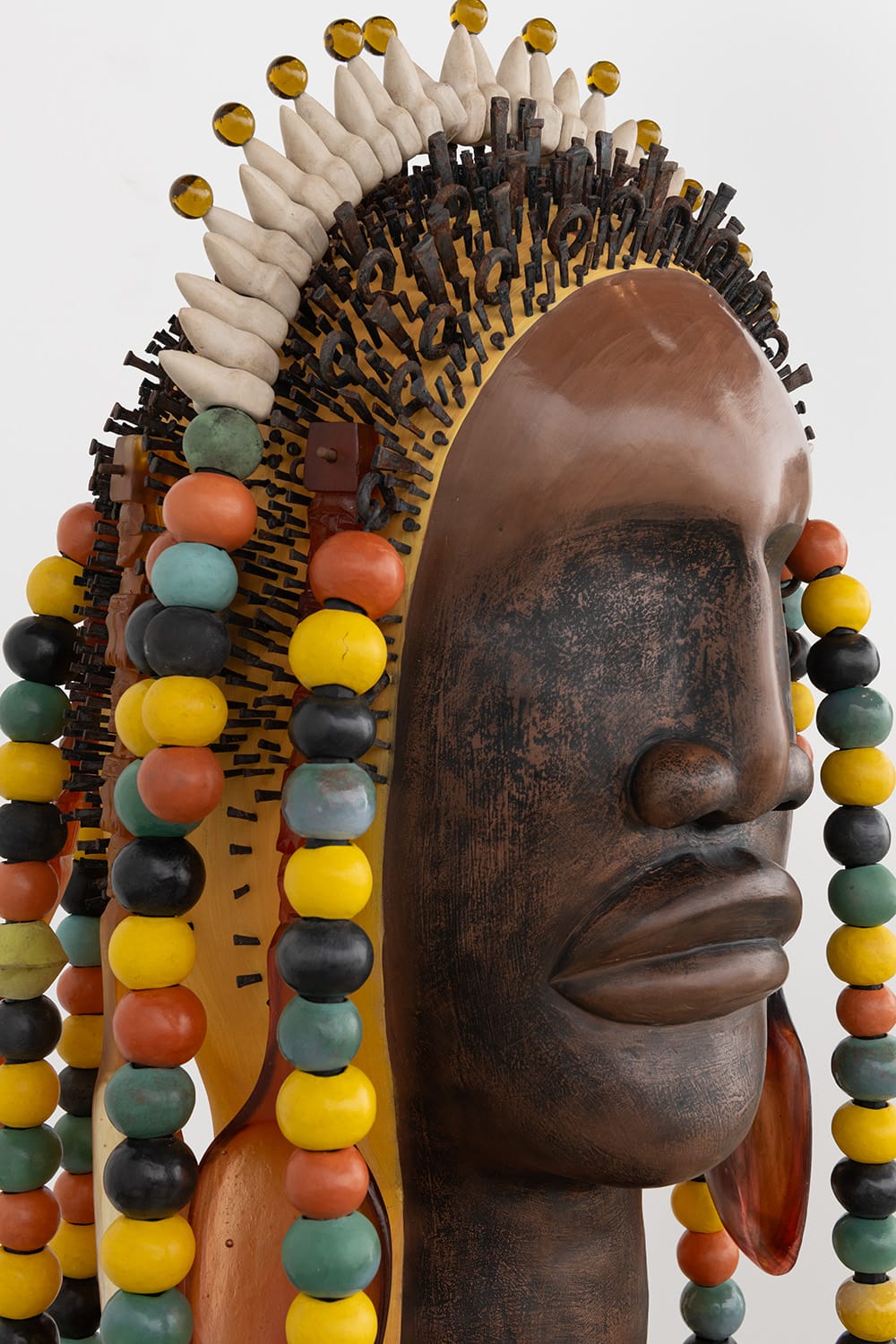
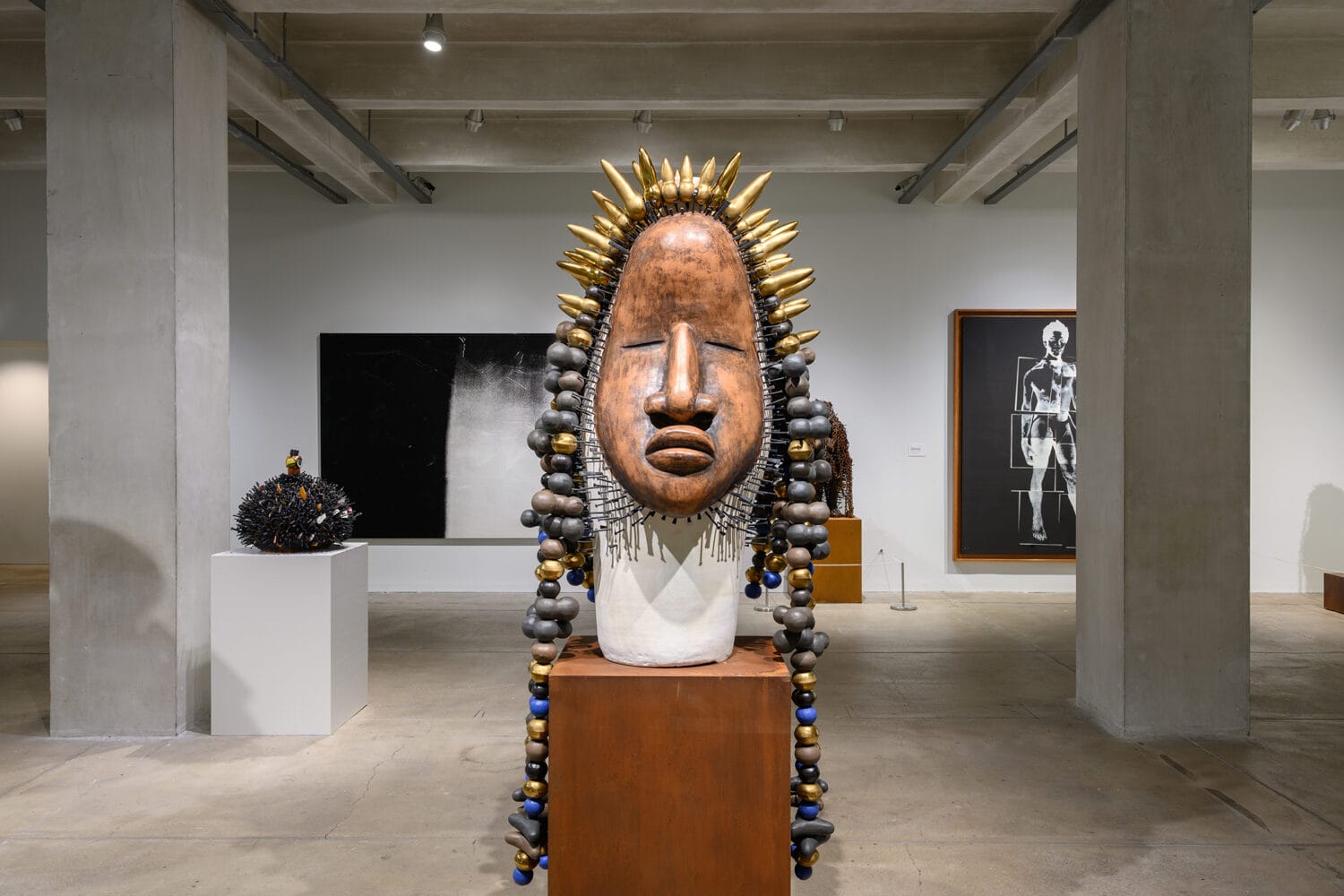
From nail-cloaked ceramic vessels to larger-than-life busts influenced by African and Oceanic visual culture, Sharif Bey’s bold works summon the complexities of heritage, identity, and society. In his ceramic and mixed-media Guardian Series and Crown Series, calm yet imposing figures evoke the Benin Bronzes, ceremonial masking traditions, the giant Moai stone heads of Easter Island, and more.
Bey has long been interested in the commanding nature of objects, especially the ways in which colonialist forces have mined cultural heritage. The Benin Bronzes, which artisans created during the 14th century in what is now Nigeria, are a prime example: British troops looted thousands of plaques in 1897, and The British Museum, The Met, the Smithsonian, Chicago’s Field Museum, and more keep them in their collections. Some have been repatriated, but most remain in Western institutional collections.
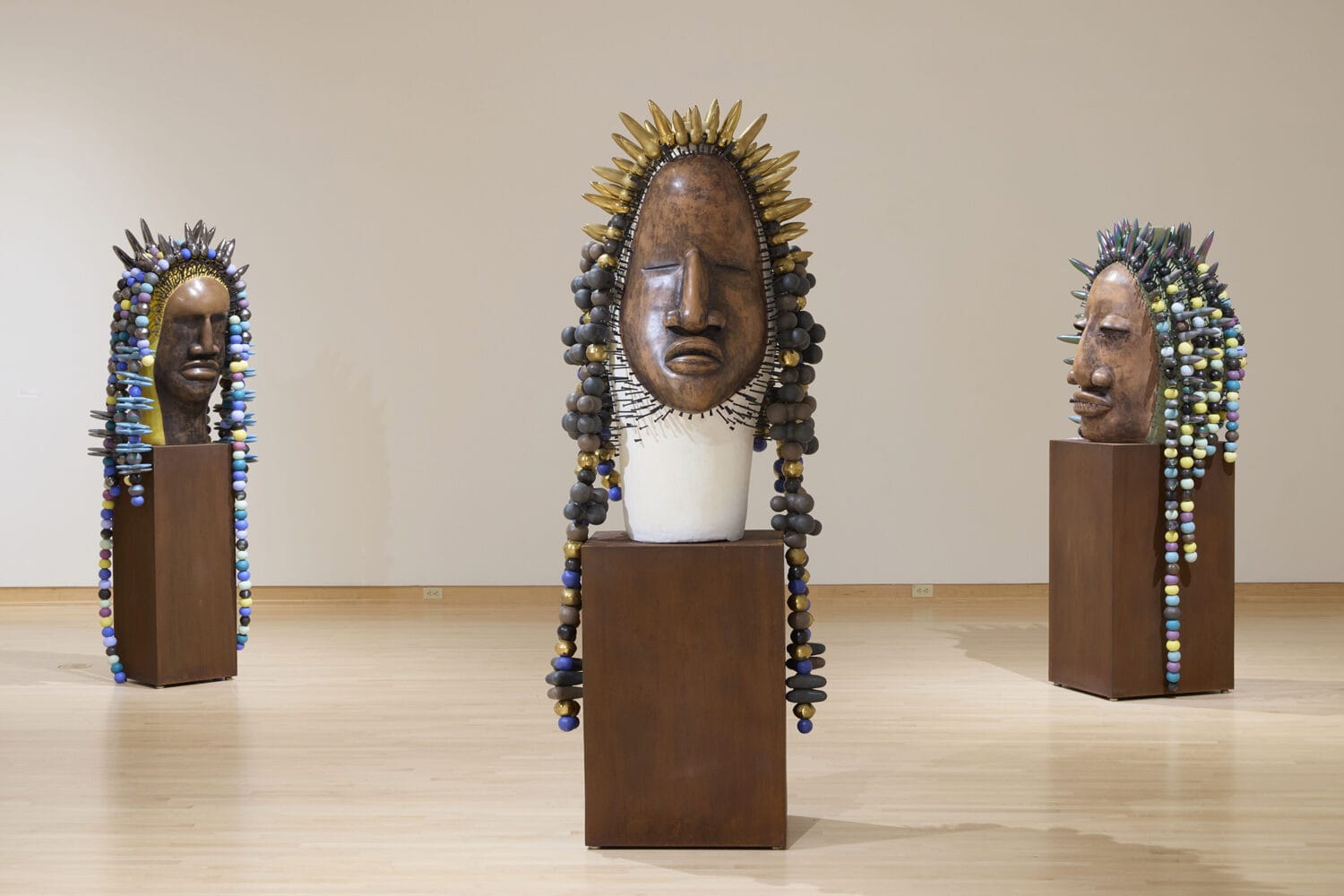
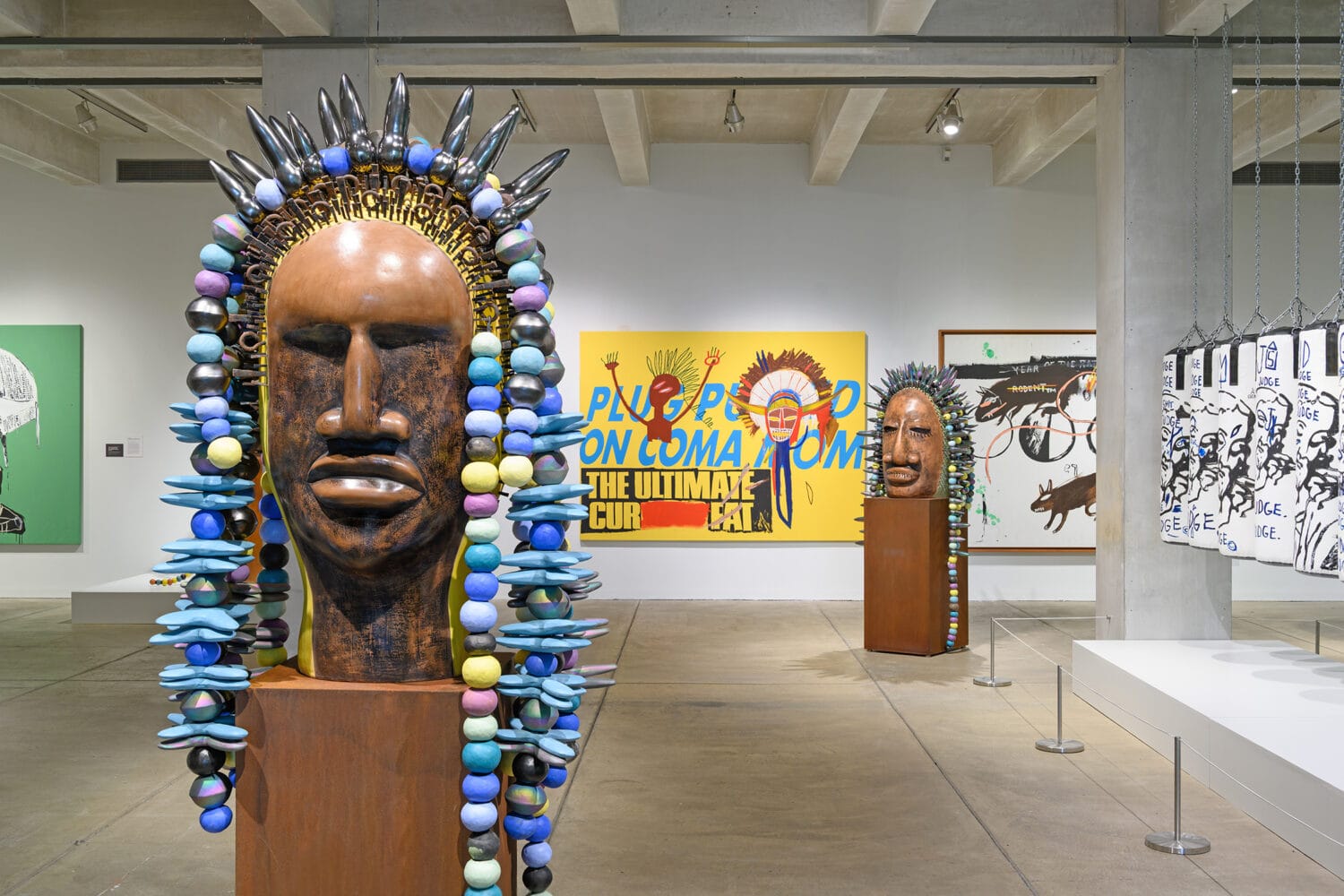
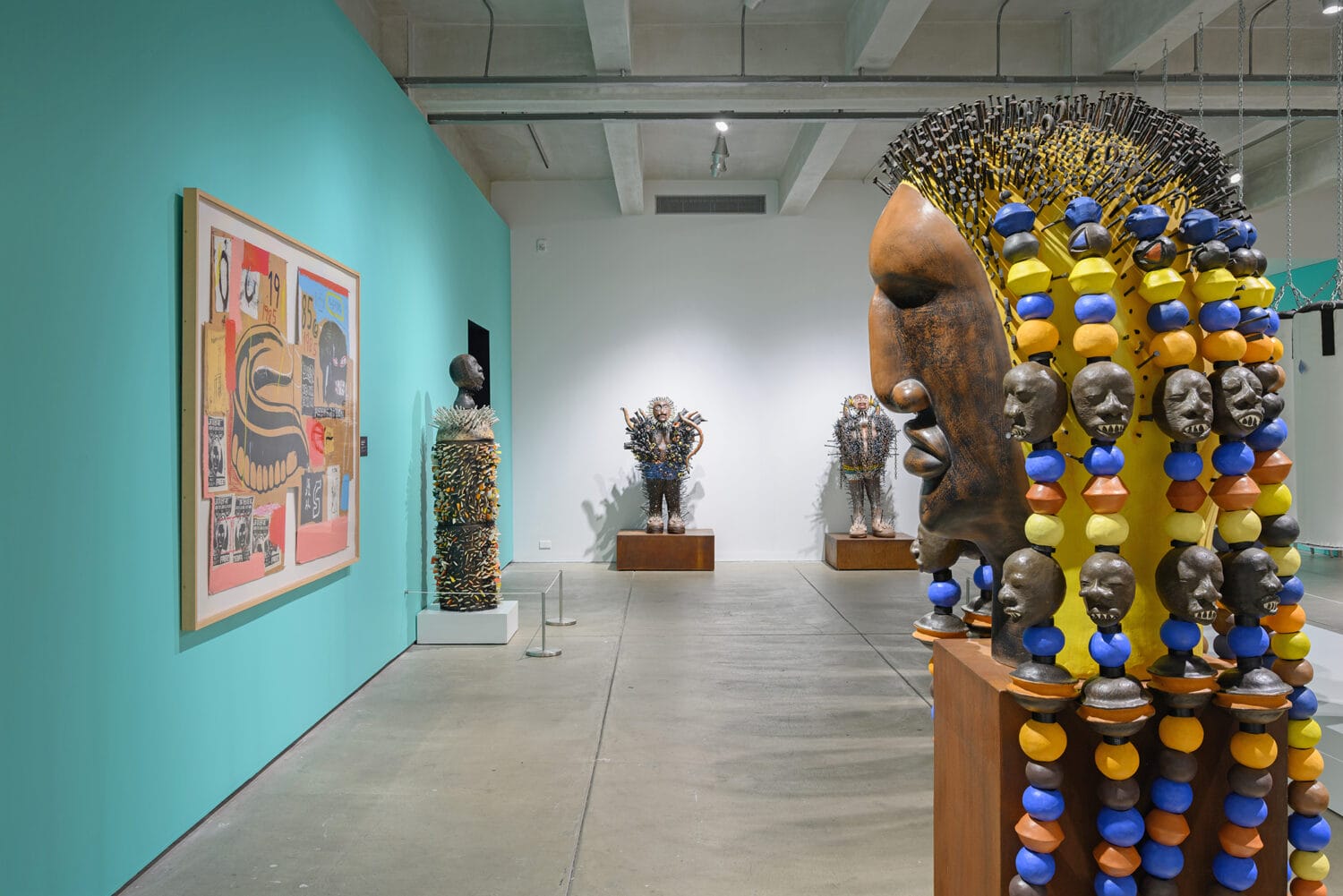
In Sharif Bey: Homecoming at The Andy Warhol Museum, the title of which nods to the artist’s background growing up in Pittsburgh, works like “Crown Series: Iris” and “Guardian Series: Blink” possess a deified air. Ceramic beads complement rusty nails, spikes, and chains that mimic hair and garments and also nod to a past filled with brutality and violence, especially—but not limited to—the transatlantic slave trade.
With their eyes closed, Bey’s figures exude a serene power and dignity in the face of historical injustices, which are woven into the fabric of our present. The show pairs the artist’s work with pieces by Andy Warhol and Jean-Michel Basquiat from the institution’s permanent collection, delving into the way all three explore themes of identity and society.
If you’re in Pittsburgh, you can see Homecoming through October 12. Discover more on Bey’s Instagram.
Do stories and artists like this matter to you? Become a Colossal Member today and support independent arts publishing for as little as $7 per month. The article Monumental Sculptures by Sharif Bey Meditate on Identity and Objecthood in ‘Homecoming’ appeared first on Colossal.
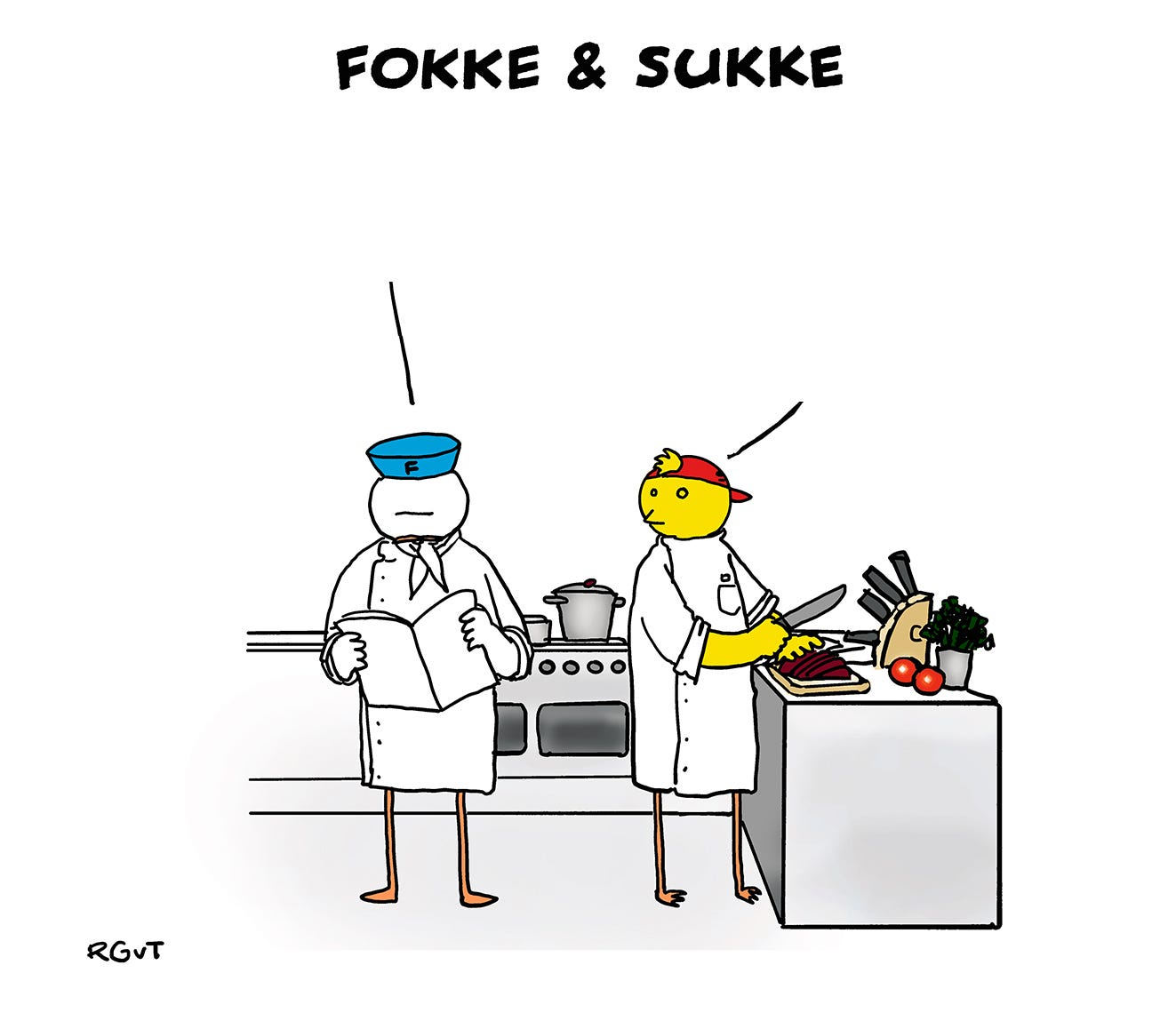
Deze cartoon staat morgen in NRC.
Vul in de reacties onder deze post je eigen culinaire creatie in.
We zijn benieuwd!
Morgen dinsdag 6 oktober a.s. worden Reid, Geleijnse & Van Tol geïnterviewd in de zaal aan het Binnengasthuisplein van de UvA. Vanaf 19.30, kom ook. Gratis.
https://www.uva.nl/content/evenementen/2026/10/alumniweek-interview-met-de-makers-van-fokke--sukke-over-tijd-en-creativiteit.html
The comments come in response to the Financial Times detailing Estonia’s strategic pivot toward an “active defense” posture.
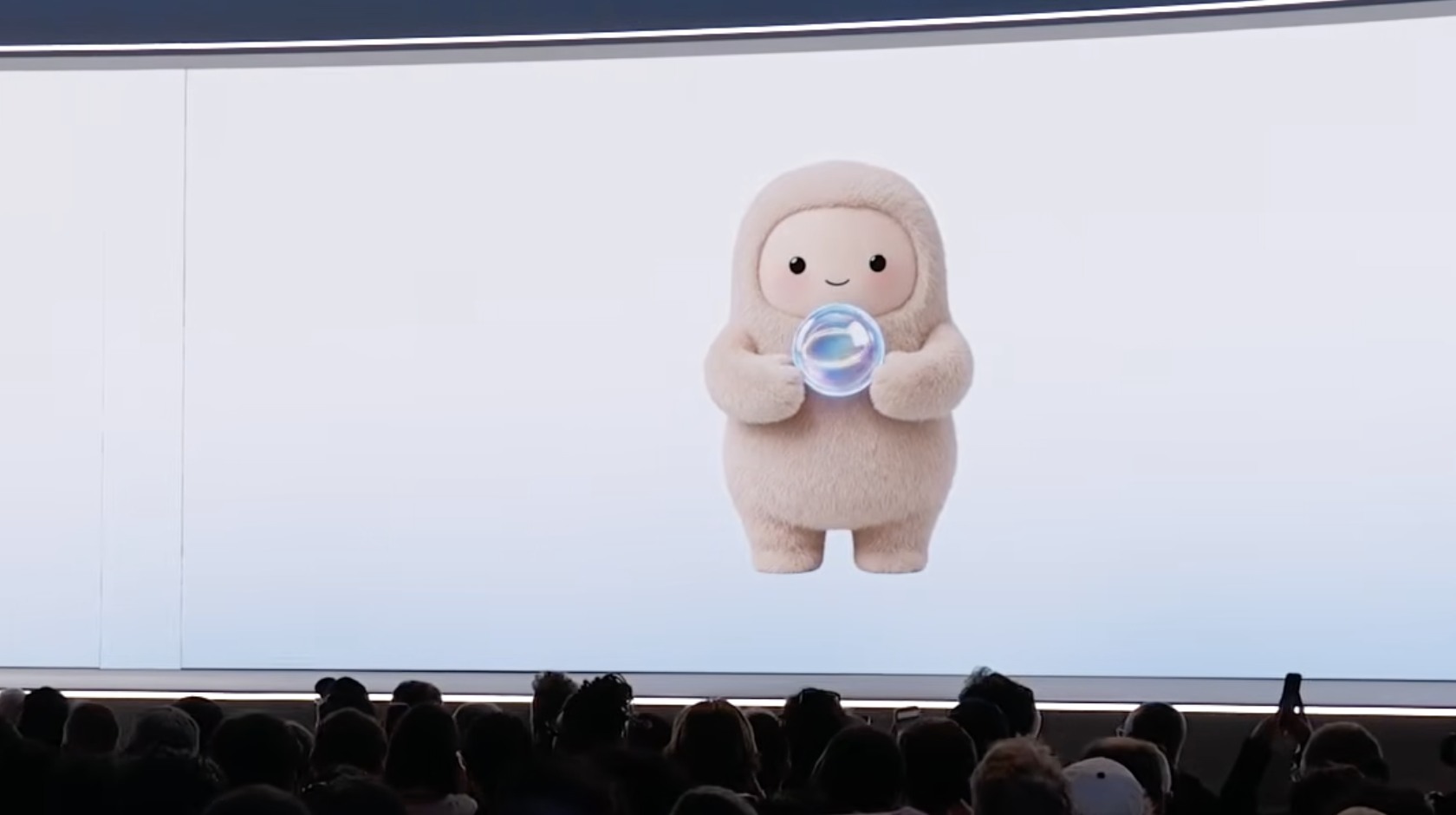
In the immediate weeks before Muse’s launch, Meta engineers found several security vulnerabilities in the company’s viral AI agent product, at least one of which could have allowed malicious users to break outside of Muse’s intended environment and access Meta’s own sensitive databases and services, 404 Media has learned. The issues were so severe that they reached Mark Zuckerberg and staff worked overtime to fix them.
These specific vulnerabilities were discovered before the launch of the product but required a multi-team “mad dash” to fix “a sudden spike in reported KVM escapes,” according to an internal post by Meta executives to its core infrastructure team seen by 404 Media. In order for Muse to work, a user gives the AI agent access to various important services and accounts that they own. On Meta’s end, each individual Muse instance runs on a kernel-based virtual machine, which connects to, but is supposed to be isolated from, Meta’s own critical infrastructure. A “KVM escape,” then, is when, through a security vulnerability, a Muse instance is able to escape from that virtual machine and interact with the system that runs it, or with other users’ virtual machines.
💡
Do you know anything else about Muse's security? I would love to hear from you. Using a non-work device, you can message me securely on Signal at jason.404. Otherwise, send me an email at jason@404media.co.
According to a Meta source, as well as internal security documentation and internal posts viewed by 404 Media, at least one of the vulnerabilities could have allowed an outside attacker — that is, a normal Muse user — to access data in sensitive internal Meta databases. . At least one of the vulnerabilities was related to an exploit found in Linux kernel-based virtual machine code in July. 404 Media granted the Meta source anonymity to speak about sensitive security matters.
Several of the vulnerabilities were in the underlying Linux virtualization software that Meta uses for Muse. The security issue was considered serious enough that it was raised to Mark Zuckerberg, and several different security teams worked nights and weekends in the leadup to launch to fix the issues. This type of security push is not necessarily unusual prior to the launch of a major product, but is notable considering outside researchers have found several other security issues since Muse’s launch, and in the broader context of agentic AIs from OpenAI and other companies going on major hacking sprees.
The Meta source said they felt security teams were asked to push hot fixes to these bugs as quickly as possible and in a way that wouldn’t delay Muse’s launch, leading to what they described as “half-baked protections being rushed out to enable the launch. Many senior engineers believe it’s inevitable we’re going to have a massive data breach as a result of Hatch.” Muse is called “Hatch” internally and in Meta’s codebase.
This security push was acknowledged in an internal post made by Meta’s vice president of core infrastructure Surupa Biswas, vice president of engineering Francois Richard, and senior director of engineering Josh Barry to the company’s core infrastructure team on September 18, 10 days following Muse’s launch.
“With Muse, we are directly hosting and running agents on behalf of end users, a fundamentally different paradigm,” the post said. “A sudden spike in reported KVM escapes, plus heightened awareness of agentic safety issues made us rally on a service hardening push.”
The post noted this push started on August 27 and lasted a “handful of weeks and weekends,” though Muse was released just 11 days later. The post says that the work involved taking steps to “reduce the surface area accessible to Hatch agents.” The teams also took steps to “constrain port/IP destinations Hatch and VMVM hosts can reach.”
A virtual machine escape of Muse is a potentially very serious security issue, and is classified as such in Meta’s bug bounty program. The company says it is willing to pay $300,000 to any security researcher who finds a bug that would allow for a VM escape, the highest payout it lists on its bug bounty website.
“Muse, an AI product from Meta, lets people create their own personalized AI agent — their Muse. Each Muse agent runs in a dedicated per-user virtual machine and connects to that user's own services: email, calendar, messaging, browsing, and third-party accounts. Because a Muse agent holds a user’s most sensitive data and can act on their behalf, we treat compromise of that boundary as a first-class security risk,” the company explains on the bug bounty page. The highest level of risk is “Compromise of Meta production and users beyond Muse” with a VM escape, which it describes as “reaching Meta production services or internal networks from Muse.” This is what at least one of the vulnerabilities could have been capable of, according to the Meta source.
In a statement to 404 Media, a Meta spokesperson said, “Muse is the first personal AI agent built for everyone and we’re proud of the work we’ve done to make it safe, secure and private, with built-in protections and user controls that put people in charge of how they use it. We’ve strengthened Muse through extensive dogfooding, agentic red teaming and our bug bounty program — and that work continues."
Muse’s rollout has been uneven thus far. The agent has proven popular, or at least buzzy, for being able to do things like cancel subscriptions, make restaurant reservations, and book travel. But security researcher Patrick Wardle found a zero-day in Muse — a vulnerability that, to his knowledge, the company was not aware of at the time — that allowed apps and terminal commands to control a user’s Muse. Another Muse user was able to get Muse to export his Instagram followers, as well as his followers’ followers, something that shouldn’t be possible and which Meta’s security teams investigated, according to the Meta source.
“This issue is that Hatch makes the virtualization boundary a production security boundary,” Wardle told 404 Media of a potential Muse KVM escape. “We have users with root privileges inside a VM that is itself placed within Meta's production environment and given (by design) limited access to internal services. A single failure in KVM (or even a vulnerability or misconfiguration in an internally reachable service) can therefore turn arbitrary user code into production access. I feel like this design is inherently risky, particularly risky as AI lowers the cost of finding, analyzing, and exploiting exactly these kinds of complex virtualization vulnerabilities.”
“I know everything is always a tradeoff between usability and security, but this is why in top security environments, systems are air-gapped, as its always assumed that connected systems can be exploited,” he added. “Of course, there's no expectation to Meta to go that far, but having access to production environment literally one KVM escape away, is plain irresponsible.”