The strikes come as Russia and Ukraine have each promised to ratchet up attacks on the other.
The strikes come as Russia and Ukraine have each promised to ratchet up attacks on the other.
The strikes come as Russia and Ukraine have each promised to ratchet up attacks on the other.





Mark Tindale has added a photo to the pool:

A series of photos on some easy hiking trails in Warrumbungle National Park on a day visit in spring, which included walks to White Gum Lookout, the Old Woolshed and the Canyon Picnic area.
White Gum Lookout provided a broad view of Warrumbungle National Park’s volcanic landscape. The rocky skyline is what remains of an ancient volcano after millions of years of erosion. Canyon Picnic Area was a pleasant stop beside Wambelong Creek, with a gorge cut into a thick flow of trachyte, a volcanic rock formed from cooled lava.
The exposed cliffs around the gorge show how flowing water has gradually worn through the volcanic rock. We did the short loop starting at Canyon Picnic Area across the top of a short but steep rifge, which provided great views of Split Rock.
Tara Cave trail offers a different landscape, passing through grassland and eucalypt woodland towards sandstone slopes. The cave is an Aboriginal cultural site with evidence of shelter, stone-tool making and grinding grooves. Its viewing platform was closed for repairs, although the walk was still pleasant with a wide variety and vegetation.

De oorlog in Oekraïne zorgde ervoor dat ze met haar roman over Slavische postorderbruiden en slakken ineens een heel ander boek schreef dan ze van plan was. „Ik ben tegen de grenzen van de werkelijkheid aangelopen, waardoor ik nu weer fictie aan het creëren ben.”
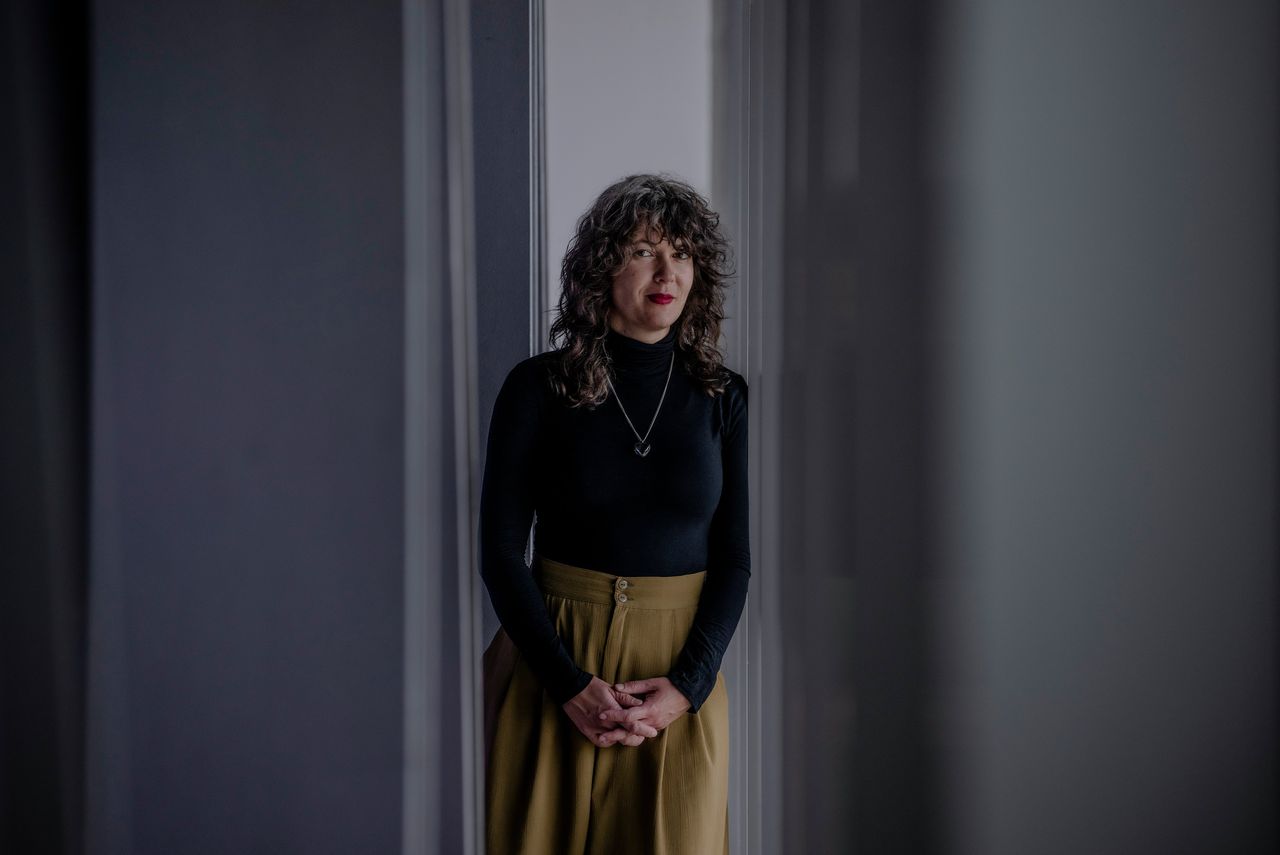
In Drenthe wordt weer olie opgepompt. Het dorp Schoonebeek dankt haar voorspoed aan deze winning, maar niet iedere inwoner is verheugd over de hervatte exploitatie. Zo wordt gevreesd voor vervuiling. „Wat laten wij achter voor onze kleinkinderen?”
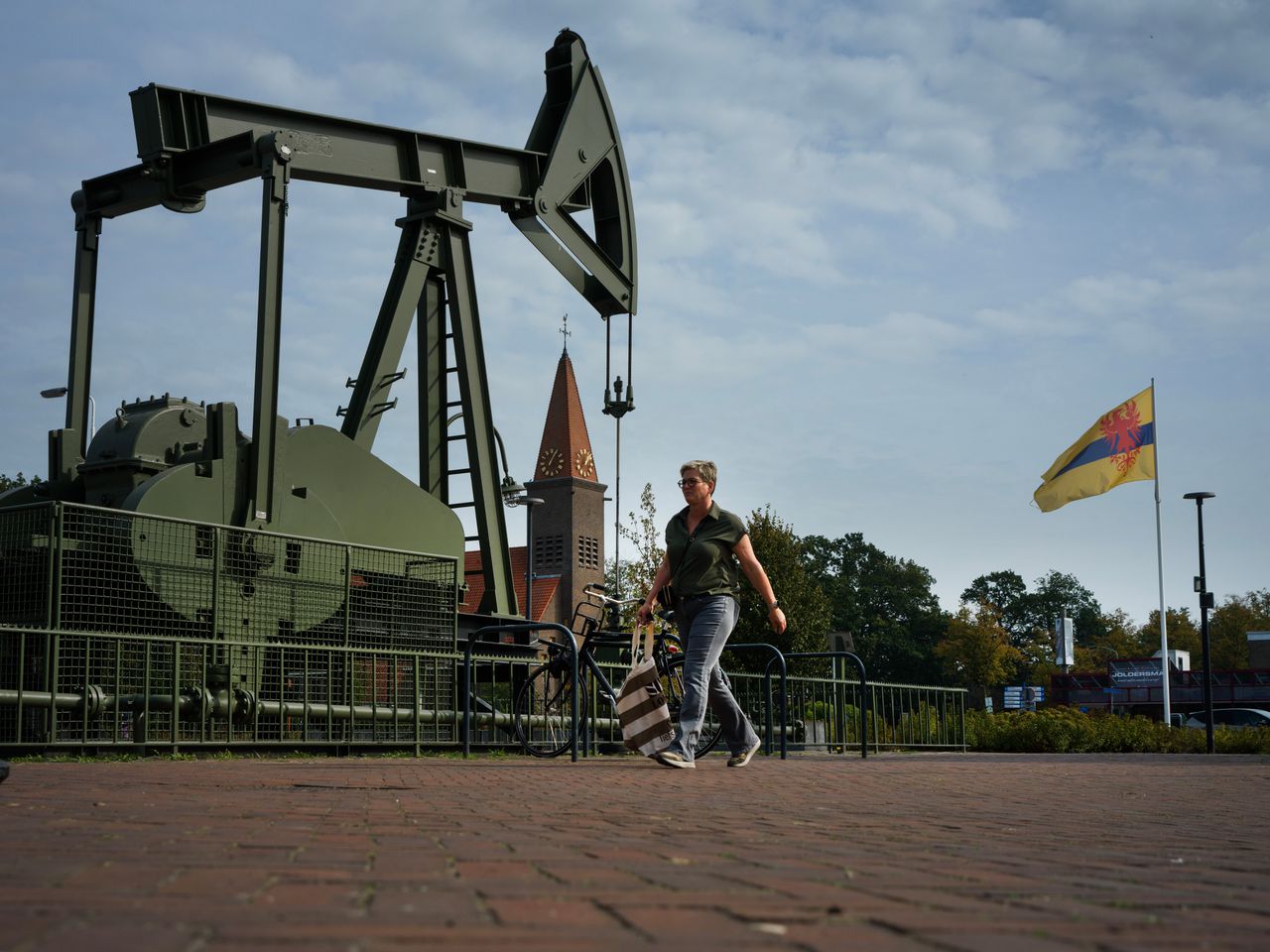
Huishoudens met een aansluiting bij Stedin gaan volgend jaar naar verwachting ongeveer 13,60 euro per maand meer betalen voor het gebruik van het elektriciteits- en gasnet. De jaarlijkse kosten komen daarmee uit op 914,47 euro, inclusief btw. Dat is een stijging van ongeveer 22 procent ten opzichte van 2026.

Ronaldo lists notes ‘validated’ for Portugal coach to say
Pelé, Maradona, loyalty and selfies get mentions
Cristiano Ronaldo said in a lengthy statement on Tuesday that the Portugal head coach, Jorge Jesus, had agreed to make eight points relating to him in a press conference before the team’s game in Denmark last week.
Ronaldo said he had approved a document listing the points after a video meeting involving him, Jesus, his adviser Tiago Craveiro and his club Al-Nassr’s sporting director, Simão Coutinho.
Continue reading...There are moments of shivering joy as the protagonist of two enduring classics, Jack Sawyer, returns – but this time his journey feels endlessly repetitive
Bear with me, because there is some backstory to get through before we can talk about the book I am actually here to review. Back in 1984, Stephen King and Peter Straub collaborated on the fantasy novel The Talisman. Like all the best King stories, it follows a young boy: in this case Jack Sawyer, 12, whose mother, Lily, is dying. Jack learns that a magical object called the Talisman might save her – if he can find it in a parallel world known as the Territories. Straub and King followed this up in 2001 with Black House, in which an adult Jack investigates a series of child murders that turn out to have disturbing links to the Territories.
The books are very different: one a coming-of-age cross-country quest, in which Jack flips back and forth between two versions of the US; the other a fantastical and horror-inflected murder mystery. Both are brilliant and enduring classics which will always have a place on my bookshelves – I reread both of them, all 1,800-odd pages, to prepare for Other Worlds Than These and was as swept away and delighted as the first time round.
Continue reading...Clinics and hospitals in affected areas lack staff, power and medicines, with supplies redirected to the Russian military
Earlier this summer, the once bustling corridors of the district hospital in Hola Prystan, a city in the Russian-occupied Kherson region of Ukraine, were ominously quiet. At times, it was plunged into darkness during power cuts lasting hours.
Much of the hospital’s medical equipment and supplies had been stolen and redirected to the military, and many experienced staff had gone.
Continue reading...KYIV (ANP/RTR) - Bij Russische aanvallen op Oekraïne zijn sinds dinsdagavond zeker elf mensen omgekomen, melden de autoriteiten in dat land. Daarbij werden tientallen kruis- en ballistische raketten ingezet, aldus de Oekraïense luchtmacht woensdagochtend op Telegram. Onder meer in hoofdstad Kyiv, de noordelijk gelegen stad Pryloeky en de regio Poltava vielen doden. Ook de nabijgelegen regio's Charkiv en Dnipropetrovsk waren doelwit. Tientallen mensen raakten gewond.
Volgens de luchtmacht konden 130 drones onklaar worden gemaakt, naast een kleine vijftig kruis- en vijf ballistische raketten. Op X schrijft president Zelensky dat in totaal zeventig raketten werden afgevuurd. De Oekraïense leider zegt te betreuren dat niet meer projectielen konden worden neergehaald.
Zelensky voegt eraan toe dat de ballistische raketten nog altijd de grootste uitdaging voor het land blijven. Er is namelijk schaarste aan kostbare luchtverdedigingsraketten voor de Amerikaanse Patriotsystemen die Oekraïne nodig heeft.
Hoe dichter jij bij je partner wilt komen, hoe meer die afstand neemt. Of andersom. Herken je jezelf hierin? De kans is groot dat je opvoeding meespeelt.
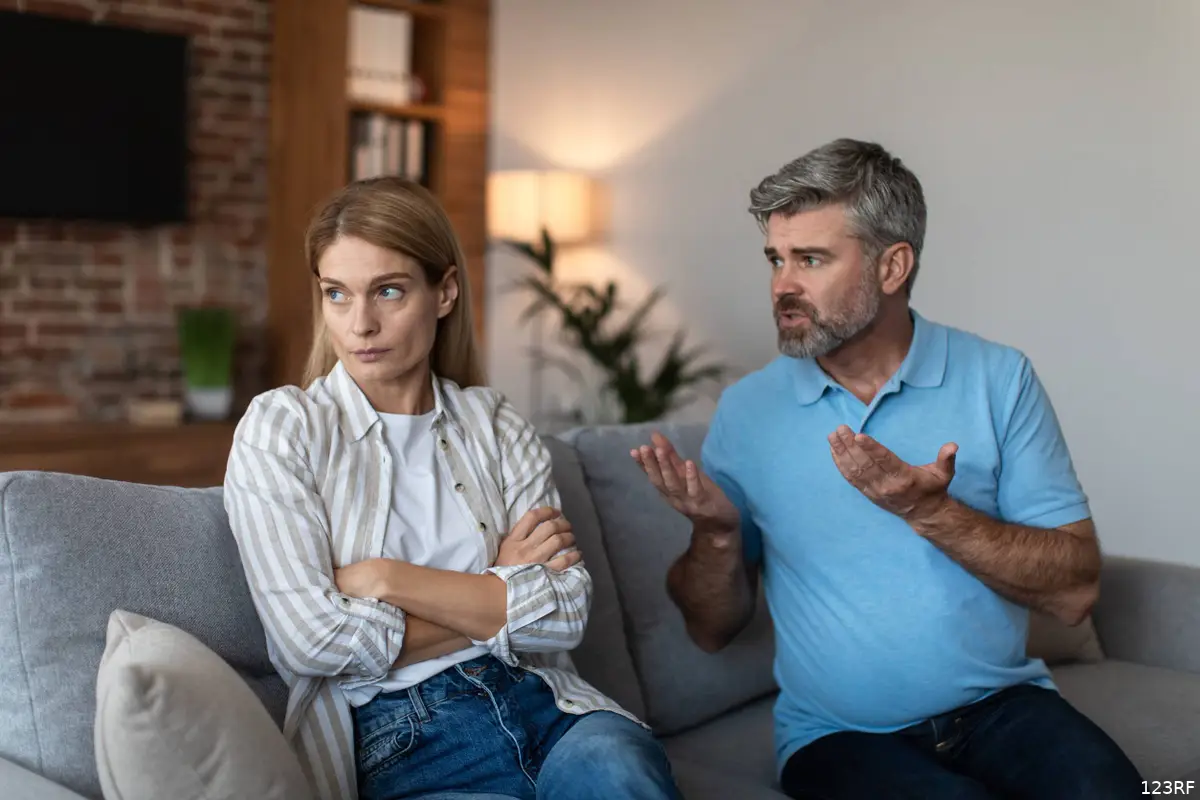
Je ligt 's avonds op de bank en je partner reageert al een uur niet op je appje. Binnen een kwartier ben je in gedachten al klaar met de relatie. Of juist het omgekeerde: je partner wil 'even praten over ons', en jij springt op en bedenkt opeens dat je dringend moet sporten.
Hechtingstheorie
Zitten zulke reacties in je karakter, of komt het ergens anders vandaan? Volgens de hechtingstheorie leer je al als kind hoe liefde en nabijheid werken en dat neem je mee in je volwassen relaties.
De theorie komt van psycholoog John Bowlby en is verder uitgewerkt door onder anderen Mary Ainsworth. Het idee: als baby en kind ontdek je of je op je ouders kunt rekenen als je verdriet, angst of honger hebt. Reageren ze liefdevol en voorspelbaar, dan leer je: ik mag er zijn en anderen zijn er voor mij. Zijn ze afwezig, onvoorspelbaar of afwijzend, dan trek je andere conclusies. Je brein past zich aan om te overleven en dat patroon blijft vaak jarenlang hangen.
De vier stijlen, in gewone taal
- Veilig gehecht. Je vindt nabijheid fijn, maar kunt ook goed alleen zijn. Ruzie is niet het einde van de wereld.
- Angstig gehecht. Je verlangt naar nabijheid en bent bang om verlaten te worden. Je zoekt bevestiging en leest snel afwijzing in kleine dingen, zoals een korte reactie of een stilte.
- Vermijdend gehecht. Je hebt geleerd dat je het beste op jezelf kunt rekenen. Te veel nabijheid voelt benauwend en je trekt je terug als het spannend of emotioneel wordt.
- Angstig-vermijdend (ook wel gedesorganiseerd). Je wilt liefde en vreest die tegelijk. Dat kan zorgen voor een wisselend patroon van naderen en afstoten.
Let op: dit zijn globale beschrijvingen, geen diagnoses. De meeste mensen herkennen zich in meerdere stijlen, en je stijl kan per relatie verschillen.
Het gevaarlijke duo: de klever en de vluchter
Een bekend patroon is dat een angstig en een vermijdend gehecht persoon elkaar aantrekkelijk vinden. Dat lijkt toeval, maar het is vaak herkenning: voor beiden voelt het vertrouwd.
En dan begint de dans. De angstige partner voelt afstand en gaat zoeken naar nabijheid: bellen, appen, vragen of alles goed is. De vermijdende partner voelt zich opgejaagd en trekt zich terug. Die afstand bevestigt weer de angst van de ander. Beiden voelen zich onbegrepen; geen van beiden doet iets fout. Ze volgen allebei een oud overlevingsmechanisme.
Het goede nieuws: je zit niet vast
Je hechtingsstijl is geen levenslang vonnis. Onderzoek en therapeuten wijzen erop dat mensen hun patroon kunnen veranderen, bijvoorbeeld door:
- Je patroon te herkennen. Weten waarom je zo reageert, haalt al veel kracht uit het automatisme.
- Een veilige partner of vriendschap. Betrouwbare, consequente mensen om je heen kunnen je 'leren' dat nabijheid veilig kan zijn.
- Het gesprek aan te gaan. Benoem wat er in je gebeurt, zonder de ander te beschuldigen. Bijvoorbeeld: "Ik merk dat ik onrustig word als ik niets van je hoor" of "Ik heb even ruimte nodig, maar ik loop niet bij je weg."
- Professionele hulp. Een psycholoog of relatietherapeut kan helpen, zeker als je patroon je leven of relatie flink in de weg zit.
Je ouders hebben hun best gedaan of juist niet, maar je bent er niet voor veroordeeld. Wie begrijpt waar zijn of haar reacties vandaan komen, kan er bewuster mee omgaan. Houdt dit in je hoofd, de volgende keer dat je partner niet terugappt en jouw hart sneller gaat kloppen.
Meer weten?
Nederlands Jeugdinstituut (Nji)
Positive Psychology (NL), hechtingsstijlen in relaties
System76 is banning AI-generated content from contributions to the COSMIC desktop. Some GNOME sub-projects also restrict AI-generated contributions, but one developer is urging them to make an exception for vulnerability reports. The COSMIC desktop project has changed its contributors' guidelines. The latest version now has a clear no-AI rule, insisting that contributors declare: "I have not included any LLM (also known as AI) generated content in this PR, including code, comments, and descriptions." In other words, you can teach yourself using AI, you can find bugs with AI, but if you want to submit your code for inclusion in COSMIC, you can't use AI to write the code, its docs or notes, or even the submission requests. This position is in keeping with some other desktop projects. For instance, the GNOME Calendar guide to contributing says: "This project does not allow contributions generated by large languages [sic] models (LLMs) and chatbots." GNOME Extensions also restricts AI-generated submissions, although it permits AI learning aids and code completion. Its review guidelines spell it out: "Extensions must not be AI-generated." COSMIC is one of the newest complete Linux desktop environments, but even so, it's been under development for years. The Register first reported on the effort nearly five years ago, meaning that it's older than ChatGPT, which debuted in late 2022 (it only feels so very much longer). COSMIC does use some GNOME components, and its default config looks not unlike GNOME, with a top panel and a dock-like launcher at the bottom. There are good reasons for that: the original System76 desktop called "COSMIC" was based on GNOME, quite heavily customized with GNOME extensions. Saying that, though, this new COSMIC is a very different beast. Its first stable release shipped with Pop!_OS 24.04 in late 2025. Although it looks similar, it's an entirely new, ground-up effort, written in Rust using the Iced toolkit. COSMIC itself is Wayland-only. GNOME is much older, larger, and more complicated. The project was announced in 1997, the year after the KDE project announcement. KDE 1.0 came out in 1998, and GNOME 1.0 in 1999. In part, GNOME was a response to KDE. KDE is built on the Qt toolkit, which was not fully open source. As such, in KDE's early days, Red Hat refused to include it in Red Hat Linux. Qt is aimed at C++ developers, so KDE was built in C++. Linux, like Unix, is built in plain old C and many Unix traditionalists scorned the much more complex C++. So GNOME was built in plain old C, using GTK, the toolkit built for the GIMP. In 1998, Red Hat Linux 5.1 included a preview of GNOME, and by Red Hat Linux 6.0 in 1999, GNOME 1.0 was the default desktop. GNOME is still the default desktop in RHEL to this day, and many GNOME developers' day jobs are at Red Hat. As we noted back in March, Red Hat management is noticeably enthusiastic about AI – although six months later, it was capping developers' AI spend. GNOME is largely written in C, which lacks automatic memory safety guarantees, although other languages feature too: GNOME Shell combines JavaScript and C, and some components are written in the GNOME-centric Vala programming language. Michael Catanzaro, GNOME developer, just published a blog post titled "The Era of Software Quality, or the Era of Ostriches?" which argues that the GNOME project must accept AI-generated bug reports. This is not a new subject for him. His post links to an earlier one from June, "Please Do Not Ban AI-Assisted Issue Reports." The following month, he announced a reduction in the disclosure deadline for issues reported to GNOME Security, from 90 days to 30, effective August 1. We recently reported on the 1,313 CVE identifiers listed in Debian's latest Linux kernel security advisory. AI is resulting in the discovery of vast numbers of bugs in the equally vast codebases of modern FOSS. GNOME is one of the biggest desktops in the Linux and BSD world, with much of its code written in memory-unsafe languages. As Catanzaro says: "No matter how much we try, GNOME developers will fail [to] write secure code when using unsafe languages like C, C++, or Vala: it's just too hard for even experienced developers to do properly." We are not arguing that Catanzaro is wrong. Given the stance toward AI of GNOME's biggest sponsor, it is entirely in keeping, and he makes a strong case. All we are noting is that this could in time prove to be the thin edge of a wedge with the weight of Red Hat behind it. First the project allows AI-generated bug reports. From there, it would not be a huge step to allowing AI-assisted triage. From there, to AI-assisted fixes. Once you're letting AI-assisted code in, then AI-assisted extensions may not seem so extreme, then core components, and in time, to the desktop itself. It would be wildly controversial, just as it already is in the KDE project. That doesn't mean it won't happen – in either project. Debian decided to allow it, and of course, the kernel itself does too. ®