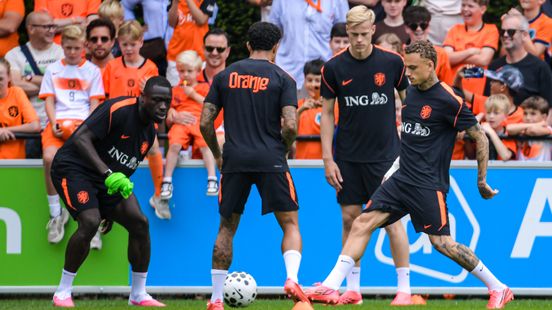
De extra lange interlandperiode van twee weken zit erop. Tijdens die interlands viel op dat meerdere spelers moesten afhaken met blessures. En die blessures zijn niet alleen in Nederland onderwerp van gesprek.
Interior minister says use of grenades has been stopped ‘until we know what happened’ as protests across France continue
France is suspending the use of stun grenades by police at high-school demonstrations, the interior minister has said, amid mounting accusations of police brutality during a fortnight of protests marred by often violent clashes that have injured hundreds.
Laurent Nuñez told RTL radio on Wednesday that he had ordered a temporary halt to the use of the grenades “in the context of the high-school students’ movement” after a 15-year-old lost a hand during a protest in Lens, northern Fance, on Monday.
Continue reading...After a windier road than expected, Paramount and Warner are now one, under the banner of Skydance, and the film industry is set for a shake-up
Hollywood’s big five have officially become the big four. Following a twist-filled saga that saw century-old studio Warner Bros nearly acquired by streaming giant Netflix, only to be outbid by Paramount owners Skydance, the company led by billionaire scion David Ellison, then faced with legal opposition that ultimately crumbled, Warner Bros and Paramount are officially under the same corporate roof. They’re divisions of Skydance, which joins Sony, Disney and Universal as the remaining major-studio players in Hollywood.
The merger goes beyond film production. Eventually, the streaming services HBO Max and Paramount+ will merge into a single entity, though a timeline has not been disclosed. The television channels HBO, Showtime, CBS, MTV, Comedy Central, Cartoon Network, Nickelodeon, TNT, TBS and CNN are among many now owned by a single corporation. The presence of CNN on that list has brought particular scrutiny, given the post-Skydance meddling with the once-respected CBS News, resulting in a rocky stewardship from Bari Weiss, who has overseen a dip in both ratings and prestige for the flagship program 60 Minutes. Weiss isn’t expected to add CNN to her purview; current chair Mark Thompson will remain in place for now, and Skydance has insisted that CNN will remain editorially independent. But given Ellison’s chumminess with Donald Trump, who has long ranted incoherently about CNN’s supposed biases, the presence of an oversight board with Ellison appointees has been cold comfort.
Continue reading...What makes someone pick up a camera at a young age, and what can their images tell us? A new book and show explore why a child’s first photo could be as formative as their first record
What was the first photograph you took? Though most of us use cameraphones every day, few think about how the habit started or even why we choose the pictures we keep. Photography is one of the most popular hobbies in the world, typically picked up in childhood, but its impact – particularly pre-smartphone and digital imagery – has not been much studied. This lapse fascinates Annebella Pollen, professor of visual and material culture at the University of Brighton.
“My generation is used to being asked: ‘What was the first record you bought?’ Music is seen as a key part of identity formation, but what if something similar crystallises when we handle a camera?” she asks. “I certainly remember my first photos, because they coincided with me falling in love, as a 10-year-old, with a beautiful boy at school. I pursued him with my camera.”
Continue reading...Guardian journalists Jonathan Watts and Gabrielle Canon will be online from 4pm BST (11am EDT) today to answer your El Niño questions.
Sign in or sign up to join the conversation
This year’s huge El Niño is causing climate chaos around the world. Temperate records have already been broken, with extreme heat reported from western Europe to California. Meanwhile, Bangkok is suffering massive flooding and the weather phenomenon is projected to cause a further 450,000 deaths globally by February.
Jonathan Watts, the Guardian’s global environment writer along with extreme weather reporter Gabrielle Canon will be online from 4pm BST (11am EDT) today to answer your questions on the unfolding crisis.
Continue reading...Emotionele intelligentie zit niet in grote gebaren, maar in kleine zinnetjes. Herken je er een paar van jezelf?
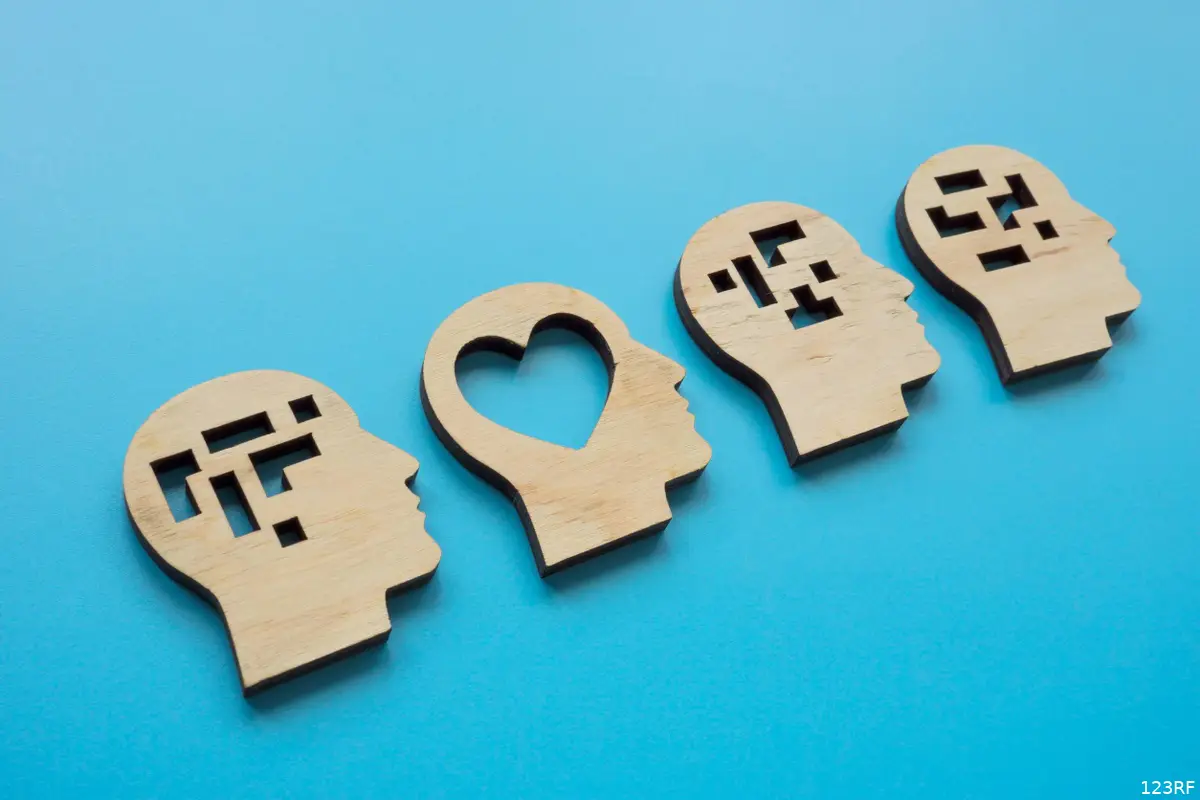
Emotionele intelligentie (EQ) is het vermogen om emoties bij jezelf en anderen te herkennen, te begrijpen en ermee om te gaan. De term werd in 1995 bekend door het werk van psycholoog Daniel Goleman, die vijf onderdelen onderscheidt: zelfbewustzijn, zelfregulatie, motivatie, empathie en sociale vaardigheden.
Dat klinkt abstract, maar in het dagelijks leven zie je het terug in de woorden die mensen kiezen. Dit zijn zeven zinnen die er vaak bij horen.
Wie zijn eigen emoties kan benoemen, heeft ze beter onder controle. Dit is zelfbewustzijn in de praktijk: je erkent wat je voelt voordat het uit je mond rolt als een foute opmerking.
Niet meteen reageren, maar eerst afstand nemen. Dat is zelfregulatie: je laat een emotie niet bepalen wat je zegt of doet.
In plaats van aannames te maken, stellen mensen met een hoge EQ een vraag. Zo voorkom je misverstanden en laat je zien dat je echt wilt begrijpen wat de ander bedoelt.
Dit is empathie: je erkent het gevoel van de ander zonder meteen een oplossing te geven of het te bagatelliseren. Zinnen als "het valt wel mee" of "je moet het positief zien" werken vaak averechts.
Fouten toegeven vraagt zelfvertrouwen, geen zwakte. Een oprecht "sorry" zonder "maar" laat zien dat je verantwoordelijkheid neemt en dat versterkt vertrouwen.
Grenzen aangeven zonder lange uitleg of schuldgevoel. Wie eerlijk is over wat hij wel en niet aankan, houdt relaties gezonder en voorkomt dat irritatie zich opstapelt.
Waardering uitspreken klinkt simpel, maar het is een belangrijk onderdeel van sociale vaardigheden. Mensen die dit vaak doen, bouwen sterkere werk- en vriendschapsrelaties.
Goed nieuws: emotionele intelligentie wordt gezien als ontwikkelbaar, anders dan IQ. Begin klein. Kies één zin uit deze lijst en gebruik die een week bewust, bijvoorbeeld in een gesprek op werk of thuis.
Een kanttekening: woorden alleen maken je niet emotioneel intelligent. Het gaat erom dat je ze meent. Een "sorry" zonder spijt of een "ik begrijp je" zonder te luisteren werkt averechts.
Harvard Business Review Press: Daniel Goleman, What Makes a Leader? (HBR Classics)
Positive Psychology (NL): Emotionele intelligentie, theorieën en componenten
BRUSSEL (ANP) - Voorzitter Ursula von der Leyen van de Europese Commissie stelt "dat de onbeschrijfelijke wreedheid en terreur" van 7 oktober 2023 "nooit meer mogen voorkomen". Ze doelt op de terroristische aanslagen van Hamas in Israël. Ze tekent daarbij meteen aan dat de EU ervan overtuigd is dat "niets terreur rechtvaardigt", schrijft ze op X.
Daarmee lijkt ze op Israël te doelen, dat na de aanslag een grootschalig offensief in Gaza begon. Israël bezet inmiddels zo'n 60 procent van de Gazastrook. "De EU blijft bereid om te helpen het huidige, kwetsbare staakt-het-vuren om te zetten in een duurzame vrede, gebaseerd op een tweestatenoplossing", schrijft Von der Leyen op X.
EU-buitenlandchef Kaja Kallas roept Hamas op de wapens neer te leggen, "zodat het vredesplan voor Gaza kan worden uitgevoerd", schrijft ze op het sociale medium. "Hamas heeft het Israëlische volk onnoemelijk leed berokkend en een spoor van verwoesting achtergelaten."
LONDEN (ANP) - De Britse inlichtingendiensten hebben een onderzoek ingesteld naar aanleiding van de aanhouding van een voormalige Duitse inlichtingenchef, meldt de krant The Telegraph. Het voormalige hoofd van de Duitse buitenlandse inlichtingendienst BND August Hanning zit vast voor het kopen van geheimen nadat hij voor zichzelf was begonnen. Mogelijk waren daar ook buitenlandse geheimen bij.
De Britse evenknie van de BND, SIS, beter bekend als MI6, wil meer weten, aldus The Telegraph. Hetzelfde geldt voor de dienst die is gespecialiseerd in communicatie, GCHQ. Volgens de krant vindt bij de diensten een "systematisch intern onderzoek" plaats naar de gevoelige informatie die met Europese partners is gedeeld. Amerikaanse diensten doen volgens de krant hetzelfde.
Hanning heeft volgens de Duitse justitie als consultant geheimen gekocht via zijn voormalige stafchef, Manfred D., die tot voor kort nog voor de BND werkte. Die informatie is mogelijk ook bij buitenlandse diensten beland.
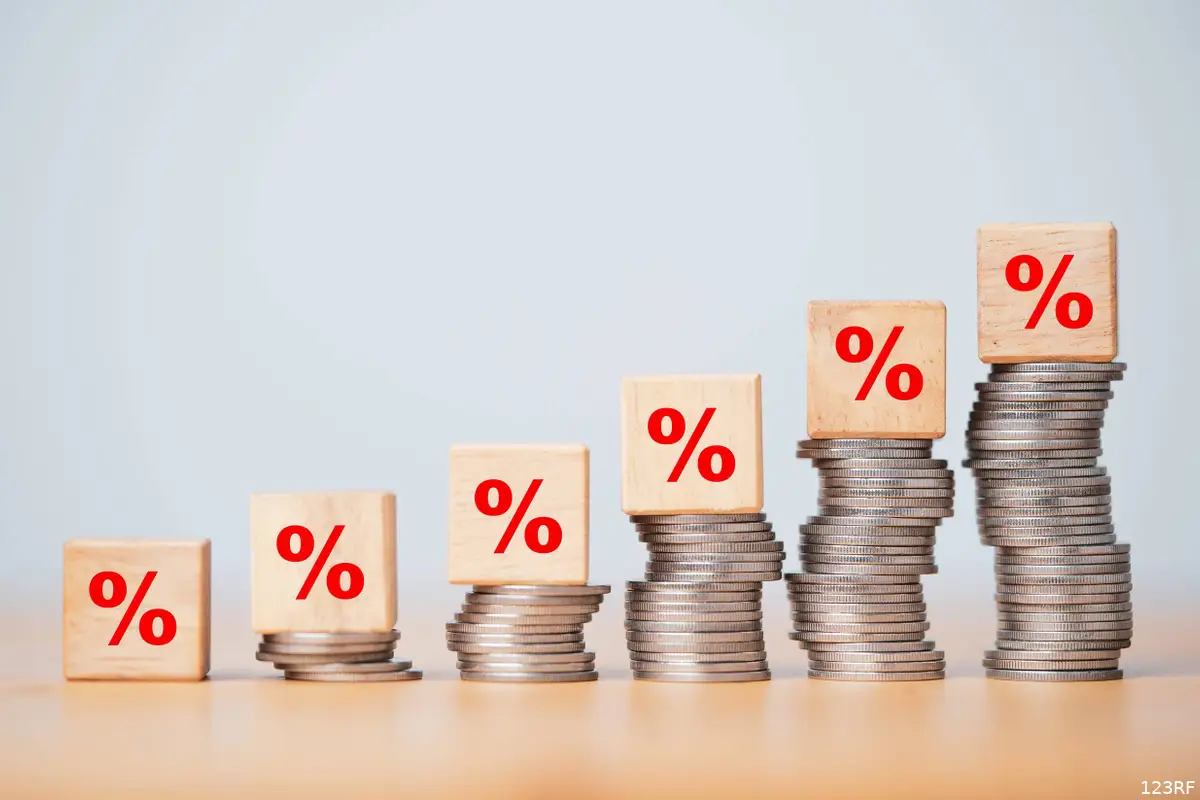
DEN HAAG (ANP) - De rente op studieleningen gaat volgend jaar met bijna een procentpunt omhoog tot 3,28 procent voor oud-studenten die de lening binnen vijftien jaar moeten terugbetalen. Voor studenten die er 35 jaar voor hebben, gaat de rente 0,37 procentpunt omhoog tot 2,7 procent. In totaal gaat de rente voor een kwart miljoen oud-studenten omhoog in 2027.
De nieuwe rentepercentages gelden niet voor alle oud-studenten. De rente wordt voor iedere oud-student elke vijf jaar opnieuw vastgesteld, dus het nieuwe percentage geldt voor oud-studenten die in 2026 nog een lening kregen en voor studenten van wie de rentevaste periode van vijf jaar afloopt. Voor iedere student wordt de rente elk jaar bijgesteld.
Mensen die voor 2015 een studielening zijn aangegaan, vallen onder het stelsel van terugbetalen in vijftien jaar. Alle studenten die erna zijn gaan studeren, kunnen hun lening in 35 jaar terugbetalen en betalen minder rente.
ISO
In januari 2023 werd de rente voor het eerst in jaren boven de 0 procent vastgesteld op 0,46 procent. Een jaar later steeg die naar 2,56 procent.
Het Interstedelijk Studenten Overleg (ISO) zegt in een reactie dat het nieuwe rentepercentage in de praktijk kan betekenen dat mensen "duizenden euro's extra" moeten afbetalen. De "forse stijging" van de rente toont volgens het ISO aan hoe "de rekening van economische onzekere tijden bij de student komt te liggen".
De ene recordmelding na de andere komt uit de obligatiemarkt rollen.
De Franse staatsschuld bereikte deze week een naoorlogs record van 3,6 biljoen euro, ruim 60 miljard meer dan in maart. Dat is 119 procent van alles wat er in een jaar in Frankrijk wordt verdiend. De Amerikaanse rente op staatsobligaties met een looptijd van 30 jaar steeg dinsdag naar 5,62 procent, het hoogste niveau in ruim 24 jaar. En ook de Japanners betalen nu ruim 3,1 procent rente op hun staatsschuld, iets wat de afgelopen decennia niet eerder voorkwam.
Wereldwijd hebben landen en bedrijven samen 365 biljoen dollar geleend, berekende het Institute for International Finance. Landen geven nu meer uit aan rente dan aan defensie, investeringen in AI of de energietransitie. Hoe heeft het zo ver kunnen komen?
Een obligatie was ooit een kleitablet, later een stuk perkament of papier. Dat helpt om het te begrijpen, zegt Peter Siks, beleggingsexpert bij onlinebroker Lynx, tegen de Volkskrant. 'Omdat je dan ook begrijpt dat je zo'n formulier kunt doorverkopen'.
Een obligatie is dus niks meer en niks minder dan een verhandelbare lening. Koop je een obligatie van 1.000 euro met een looptijd van 10 jaar en 5 procent rente, dan krijg je elk jaar 50 euro. Na het tiende jaar krijg je je 1.000 euro terug.
Die zekerheid maakt obligaties volgens Roelof Salomons, beleggingstrateeg bij BlackRock, ‘het fundament van de financiële markten'.
Rente is volgens Salomons ‘de prijs van tijd’. De hoogte hangt af van twee factoren: de looptijd en de kredietwaardigheid van de lener. Siks legt het zo uit: ‘Als een onbekende op straat mij aanspreekt en een ton vraagt voor een nieuw pannenkoekenrestaurant, vraag ik daarvoor een hogere vergoeding dan wanneer de Amerikaanse overheid mij benadert.’
Ook inflatie speelt mee. Beleggers willen een rendement dat hoger is dan de inflatie, anders leggen ze geld toe. Stijgt de inflatie, dan stijgt de rente.
Obligaties zijn verhandelbaar, en dat heeft een bijzonder effect: worden ze riskanter, dan daalt hun prijs en stijgt de rente. Stel dat een obligatie van 909 euro, met 10 procent rente, door risico nog maar 870 euro waard is. Dan is de rente al gestegen naar 15 procent.
Er spelen vier krachten tegelijk:
- Inflatie. Die loopt op door de Iran-oorlog. Hoe langer de zee-engtes en oliepijpleidingen in het Midden-Oosten dicht of gestremd zijn, hoe hardnekkiger de inflatie. Ondertussen draait de Amerikaanse economie als een tierelier, wat de consumptie en dus de inflatie verder aanjaagt.
- Strenge centrale banken. Na de energieschokken van de Russische inval in Oekraïne liep de inflatie gierend uit de hand. Dat willen de banken niet nog eens op hun geweten hebben. De Fed geeft niet toe aan de druk van president Donald Trump om de rente te verlagen en heeft de rente onlangs zelfs verhoogd.
- Het afbouwen van het schuldpapier. Na de eurocrisis en in de coronatijd kochten centrale banken massaal obligaties op. Nu bouwen ze die voorraden af, waardoor er minder geld beschikbaar is om obligaties te kopen.
- Enorme vraag naar kapitaal. Overheden moeten investeren in defensie en energie-infrastructuur, en AI-bedrijven lenen honderden miljarden voor datacenters. Zeker de ‘hyperscalers’ kijken volgens Salomons niet op een half procent rente meer of minder, wat de rente wereldwijd opdrijft.
Dan zijn er nog de zorgen over de houdbaarheid van staatsschulden. In Frankrijk is elke substantiële hervormingspoging van president Emmanuel Macron gestrand, met name op de pensioenen. Siks: ‘Frankrijk heeft geen fondsen van 1.600 miljard zoals Nederland die kent, ze hebben daar gewoon helemaal niks.’
Beleggers kijken met angst en beven uit naar de presidentsverkiezingen van volgend jaar, want een populistische president zal niet snel impopulaire maatregelen nemen. Ook de Amerikaanse schuld groeit met bijna 2 biljoen dollar per jaar, zo'n 250 miljoen dollar per uur.
En dat is het probleem. Doordat rentes oplopen, moeten overheden meer lenen om hun rentelasten te blijven betalen. Daardoor lopen de schulden verder op en maken beleggers zich meer zorgen over de houdbaarheid. Die zorgen vertalen zich weer in een hogere rente, en zo verder.
Obligatiekoning Bill Gross, oprichter van de grootste obligatiehandelaar ter wereld, verzuchtte deze week: ‘Mijn overtuiging is dat je nu geen obligaties moet bezitten, met uitzondering van 1-jarige Amerikaanse staatsleningen.’
Institute for International Finance (IIF): Global Debt Monitor
MoneyVox: Franse rente en staatsschuld
BertvB posted a photo:

A serene and painterly early morning landscape captured on October 7, 2026, overlooking the skyline of Haarlem, Netherlands. The iconic silhouette of the Cathedral Basilica of Saint Bavo (Koepelkathedraal) emerges mysteriously from a thick layer of ground fog blanketed across the polder. The rising sun illuminates the autumn morning sky with an amber, golden glow, creating a classic Dutch master atmosphere.
europeanspaceagency posted a photo:

The three terminals of ESA's UWB technology demonstrator.
Future missions on the Moon will need reliable ways to communicate and navigate in areas beyond satellite coverage. ESA's ultra-wideband (UWB) demonstrator will test wireless communications and precise ranging between a lunar lander and rover.
UWB is a short-range wireless technology that uses extremely short radio pulses to measure the time it takes signals to travel between devices. This allows the users to determine distances very accurately while also exchanging data.
On the Moon, where communication and navigation services are far more limited than on Earth, UWB could enable landers, rovers and astronauts to communicate and locate one another within centimetres. By testing UWB in the lunar environment, the payload will help assess the technology’s potential to support future operations on the Moon’s surface.
The demonstrator will fly on ispace Mission 3, currently planned for 2028. The payload consists of three UWB terminals: one installed on the lander and two on an ispace-Europe rover. As the rover moves across the lunar surface, the terminals will exchange signals to test both communications and ranging capabilities.
In November 2024, ESA awarded Romanian company Control Data Systems a contract to develop the demonstrator; the mission is set to become the first Romanian payload on the Moon.
Credits: ESA/CDS
europeanspaceagency posted a photo:

A satellite image shows the Sun with a black dot at its centre, resembling a glaring eye in the darkness of space. The black spot is not a camera failure, but an expected behaviour of imaging sensors under extreme illumination, known as the Black Sun effect – when the over-saturation of pixels causes very bright areas to appear dark.
Taken by a miniature camera flying onboard the Trisat-S nanosatellite, this image is exactly what the mission team was hoping for.
“The Black Sun effect might at first appear to be an unwanted imaging artefact, but for us it is a very useful visual feature,” explains Iztok Kramberger, principal investigator of the Trisat programme at the University of Maribor, Slovenia. “Together with the observations of Earth and the Moon, the ‘Black Sun’ serves as a visual reference that can be used by a spacecraft to determine its attitude and orbit.”
The team already investigated this effect with their Trisat-R mission, which was supported by the European Space Agency’s General Support Technology Programme. When Trisat-R’s camera wasn’t busy capturing images of the Sun, it snapped an image of the Earth as seen through the camera’s 2-mm lens, from thousands of kilometres away.
Launched in early September with a follow-up experiment, Trisat-S is a mission led by the University of Maribor in cooperation with Slovenian space company SkyLabs and carries six miniature cameras that cover the satellite’s surroundings in all directions.
“While Trisat-R provides observations from two cameras in medium Earth orbit, offering a different perspective of the Earth and the space environment, Trisat-S gives us the opportunity to collect simultaneous observations from six cameras in low Earth orbit,” adds Iztok.
“The resulting images are particularly valuable because we can compare them with our ground-based simulations to further refine and validate our visual awareness models, closing the loop between simulations, laboratory testing and actual spaceflight.”
Earlier this year, the tiny imaging technology was exposed to an intense radiation environment in CERN’s Charm facility – similar to the harsh conditions it would experience in space – to further evaluate how radiation protection mechanisms developed by SkyLabs ensure that the camera sensor maintains its functionality and imaging performance under radiation.
Alongside its imaging-based navigation experiments, Trisat-S is demonstrating advanced spacecraft hibernation technologies for future long-duration missions.
“Ultimately, our goal is to give a spacecraft the ability to understand where it is and how it is oriented simply by looking at its surroundings using highly miniaturised technology, which is an important step towards autonomous navigation far beyond Earth,” concludes Iztok.
Trisat-S was one of six commercial and educational CubeSats launched on Isar Aerospace’s Spectrum launcher in September 2026. This launch made Isar Aerospace the first European company to reach orbit with their own launch vehicle and the first company to complete ESA’s European Launcher Challenge.
Credits: University of Maribor
/s3/static.nrc.nl/wp-content/uploads/2026/10/05143718/081026BOE_2037206565_2.jpg)
Kijk daar hebben we Bart van den Brinks nieuwe asielwet die asielzoekers die niet mogen blijven en die weg moeten eindelijk strafbaar stelt en die soepschenkers en hun kommetje buiten schot houdt. En misschien is de Tweede Kamer dan wel weer voor deze asielwet. En misschien komt de wet dan wel bij de Eerste Kamer, die kapot moet. En misschien wordt het dan eens niet een grote dino-shitshow. En misschien gaat D66-senator Dittrich dit keer geen krantjes appen. En misschien kan D66 dan wél voor een asielwet stemmen. En misschien doet ook het CDA mee. En misschien is er niet eens een novelle nodig. En misschien sneuvelt deze asielwet dan wel niet in de Eerste Kamer. En misschien kunnen we dan wel weer zeggen dat we als land één hele asielmaatregel hebben binnengeharkt. En misschien later nog de Syriërs weg. En misschien daarna RWANDA2027. Hoera dan maar, misschien.