DUBLIN (ANP) - De Ierse mediawaakhond is een onderzoek gestart naar X vanwege zorgen dat het socialemediaplatform de regels voor leeftijdsgrenzen en ouderlijk toezicht heeft overtreden. De toezichthouder kijkt onder meer of X doeltreffende maatregelen heeft genomen om de leeftijd te controleren, zodat video's die voor volwassenen bedoeld zijn, in de regel niet door kinderen kunnen worden bekeken.
Volgens de wetgeving is leeftijdsverificatie op X verplicht om ervoor te zorgen dat kinderen geen video's zien met pornografie, extreem of grof geweld of wreedheden. De waakhond meldt dat er zorgen zijn dat de door X ingestelde systemen voor ouderlijk toezicht mogelijk niet effectief zijn, geen minimumeisen hebben en moeilijk te vinden zijn, wat wel vereist is.
Steeds meer landen komen met maatregelen om het gebruik van sociale media door kinderen te verminderen. Australië voerde vorig jaar als eerste land ter wereld een verbod in. Een aantal landen, waaronder Nederland, overweegt dat.
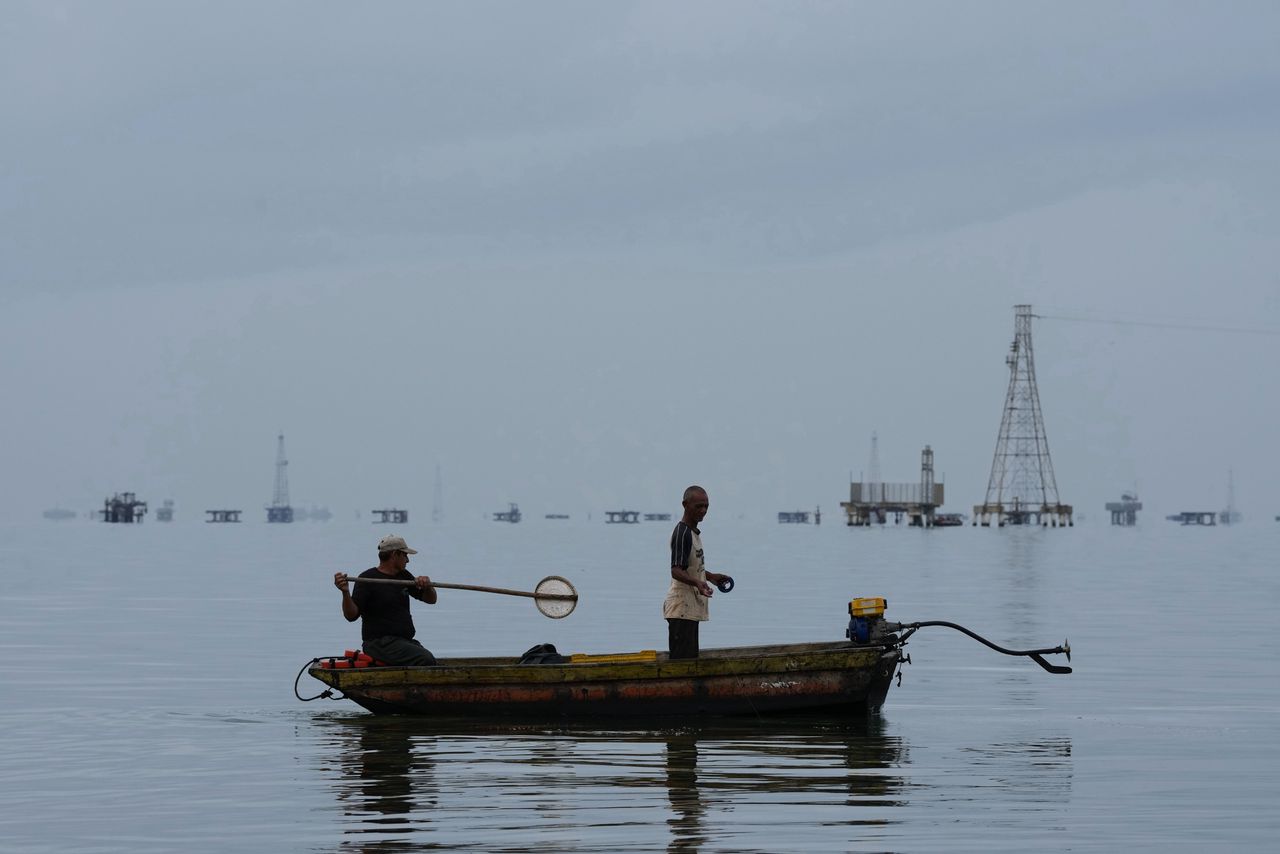
TEHERAN (ANP/AFP) - Op het Iraanse eiland Kharg, in de Perzische Golf, zijn explosies gehoord. Volgens Iraanse staatsmedia is een olietanker vlak bij het eiland geraakt door een Amerikaanse raket.
Kharg is van groot belang voor de Iraanse olie-export en is eerder dit jaar ook aangevallen door de Verenigde Staten. Toen werden militaire doelen bestookt en werden alle oliefaciliteiten juist gemeden.
De Amerikanen hebben dinsdag nog niet bevestigd een aanval te hebben uitgevoerd. Iran waarschuwde vlak voor de berichten over explosies dat iedere aanval op Iraanse olietankers beantwoord zal worden met beschietingen op Amerikaanse militaire bases in de regio.
Ook in de havenstad Jask op het vasteland zijn volgens Iraanse media ontploffingen te horen. Die stad ligt dicht bij de Straat van Hormuz, waar ook regelmatig schepen worden aangevallen. Iran en de VS hebben elkaar blokkades opgelegd voor de scheepvaart in de belangrijke zeestraat.
DEN HAAG (ANP) - Financiënminister Eelco Heinen mist volgende week het laatste deel van de Algemene Politieke Beschouwingen (APB) omdat hij naar Dublin gaat voor overleg met collega's uit andere landen. Dat meldt de bewindsman dinsdagavond in een brief aan de Tweede Kamer.
Tijdens de APB debatteren fractieleiders over de plannen die Heinen dinsdag op Prinsjesdag presenteert. Het debat vindt plaats op woensdag en donderdag. Heinen vertrekt donderdagavond om 19.00 uur naar de Ierse hoofdstad om vrijdag bij de Eurogroep en Ecofinraad te zijn.
Premier Rob Jetten voert tijdens de APB het woord namens het kabinet.
Aanhoudende geruchten over een nieuwe mobilisatieronde in Rusland zetten mannen ertoe aan om het land te verlaten, in de hoop dienst aan het front in Oekraïne te kunnen ontlopen. „Jullie begrijpen wel hoe het zit.”
I took this photo of the “Tranquill Waterfall” with my iPhone 17 Pro Max during a visit to “Glover Garden” in Nagasaki, Japan. As you stand at the entrance to Glover Garden, the serene waterfall signals the historical oasis waiting inside. The centerpiece is the Glover Residence, an elegant 19th-century wooden structure that blends Georgian and Japanese elements. It is believed to have inspired John Luther Long’s 1898 story “Madame Butterfly..”
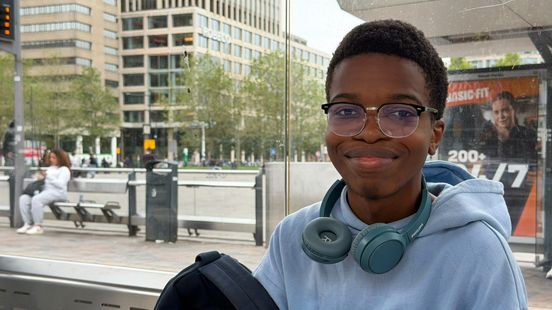
Of je nu naar school moet, naar je werk of misschien wel naar een bruiloft? Wie afhankelijk is van het openbaar vervoer, staat woensdag voor een flinke uitdaging. Ook in onze regio worden de gevolgen gevoeld, blijkt uit een rondgang op Rotterdam Centraal. Hoe gaan regiogenoten om met een dag zonder trein, tram, bus en metro?
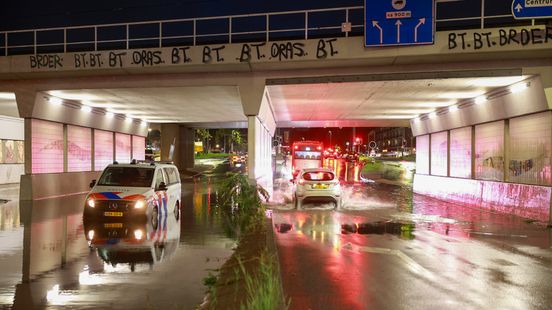
In Schiedam is donderdagavond een tunnel ondergelopen na regenval. Op beelden is te zien dat er diepe plassen liggen. Agenten die poolshoogte kwamen nemen, reden zich vast.
Brothers, convicted of parents’ killings and denied parole last year, permitted to apply for another hearing earlier than expected
Erik and Lyle Menendez will be before a parole board again in March, about 17 months earlier than expected.
The brothers were originally sentenced in 1996 to life in prison for the 1989 fatal shootings of their father, Jose Menendez, and mother, Kitty Menendez, in their Beverly Hills mansion. A Los Angeles judge reduced their sentences to 50 years to life in May 2025, making them eligible for parole because they were under age 26 when they committed their crimes.
Venice film festival: Affleck’s third film as a director is a diverting gothic anthology about mysterious strangers, murder and – pointedly – wronged men
Gather ye ’round the glowing screen for a Casey Affleck campfire tale. It contains superstitions and murder and human oddities of all stripes. An old hermit in his shack. Something nasty in the woodshed. If you like the first tale, fill your boots, settle back, because here comes another and another; each sparked by the embers of its neighbour and playing out with the same deliberately theatrical panache. Affleck’s picture roams and rambles like a creepy cracker-barrel Jackanory.
Actually there is much to relish in Company, Affleck’s third film as a director, even if many of its elements feel like off-the-peg eccentricities; a little too laundered and self-consciously strange. It begins in tried and tested fashion with the arrival of a mysterious stranger on a dark winter’s night. The stranger takes a seat and spins a tale, at which point December 1975 melts into 1953, then 1903, before finally the film crosses the ocean to Europe at the tail end of the plague. Nick Nolte is a hermit pining for his lost daughter, while Ben Mendelsohn plays a mean, mordant farmer who reaches for his handgun too readily. Both men, one suspects, are destined for a bloody end.
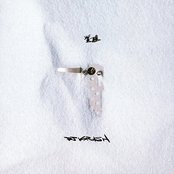
Interpol is one of my favorite bands, and I’ve been lucky enough to collaborate with them many times throughout the years, including on their excellent newest release, “This Mirror Weighs a Ton”. I picked up Interpol’s first album, “Turn on the Bright Lights,” shortly after it was released, based purely on the mysterious, film noir-tinted-with-red image on the cover. The music lived up to the seductive promise of the cover, and I soon decided I’d found my new favorite band. I think that art and music together are even more powerful than either individually, so I was very impressed with Interpol’s ability to craft stylish songs and stylish visuals… I wanted to work with them! My first interaction with them was when I stalked them backstage at Coachella 2003 and offered to create art for them if they ever needed it… to my surprise, they knew my work already and decided to take me up on my offer. My first project with Interpol was in 2004 when I created art for “Antics”, the follow-up to their debut album. Ten years later in 2014, I was approached with another opportunity to not only create a print, but also to paint a mural for their fifth studio album, “El Pintor.” The newest album, “This Mirror Weighs a Ton,” is great musically and I was especially excited to add my own spin to their theme of surveillance represented on the album and with its cover and supplementary visuals. My “This Mirror Weighs a Ton” print amplifies Orwell’s dystopian vision of perpetual surveillance with the disturbing future promise of an almost invisible line between the organic and the mechanical. This mirror is black, and it does indeed weigh a ton. Submit with caution! -Shepard
PRINT DETAILS: This Mirror Weighs A Ton. 24″ H x 18″ W. Screen print on 80# true white Speckletone paper. Signed by Shepard Fairey. Numbered edition of 550. Comes with a Digital Certificate of Authenticity provided by Verisart. $75. Available on Thursday, September 10th @ 10 AM PDT at https://store.obeygiant.com. Max order: 1 per customer/household. International customers are responsible for any applicable import duties, taxes and customs fees due upon delivery, except for UK orders under $160 USD and EU orders.
Hé maar dit is toch een beetje gek hè. Hanneke van der Werf is door D66 op Buitenlandse Zaken gezet en in die hoedanigheid sloeg ze al een internationaal pleefiguur doordat ze haar eigen standpunten over de aanval van Trump op Iran niet opeens niet meer wist. Dat komt natuurlijk omdat ze gewoon van een briefje voorleest wat Jan Paternotte en Sjoerd Sjoerdsma haar vertellen, maar dat voorlezen ging afgelopen zondag een beetje mis toen ze bij Pauw & De Wit opeens pleitte voor Nederlandse aanvallen op Russische installaties. Een beetje mal natuurlijk, en terwijl de Russische ambassade gisteren in zijn smerige vuistje lachte, stuurde Hanneke er een raar tweetje uit en vandaag stond ze zelf om een hoekje te wachten hoe Jan Paternotte de meubelen voor de roze microfoon probeerde te redden door te doen alsof iedereen weleens 'we' zegt als ie 'ze' bedoelt. We denken zeker dat we helemaal gek zijn bij D66.
The Haggerty Museum of Art at Marquette University hosts free-to-the-public exhibitions and programs inviting a journey across multiple centuries and continents titled The Otherworld is Home. Inspired by the Yorùbá proverb, “Life is a journey, the otherworld is home” (ayé l’àjò, ọ̀run n’ilé), the museum-wide presentation explores themes of personal reclamation, cultural identity, spiritual passage, and connection across Africa’s many diasporas.
The three simultaneous exhibitions below offer opportunities to explore the enduring resonance of African artistic traditions and their continued influence on contemporary life. These exhibitions are activated with a full slate of programming that may be found on the museum’s events page.
Featuring more than 40 classical and neoclassical works, this exhibition highlights how African artists use traditional craftsmanship to connect the tangible and spiritual worlds. “This exhibition and essay explore how, what, and why African works of art . . . work: how they move and affect us; what roles they perform; and the ways they may acquire different purposes, meanings, and values as they travel across oceans and cultural, political, and religious boundaries over time and space,” writes guest curator and scholar of African and African diaspora arts Henry John Drewal.
Artist Iké Udé’s ongoing photographic series Sartorial Anarchy merges clothing and objects from different times and places to upend recognizable signifiers of cultural and individual identity. The Nigerian born artist, now living in New York City, transforms himself into a multifaceted amalgam of many identities in these photographic self-portraits. According to the artist, “In each image, I married disparate costumes from widely diverse traditions, countries, and time frames. And in mixing eras and cultures, I was able to bring harmony, as it were, to their similarly irreconcilable differences.”
Thresholds brings together the work of Aisha Tandiwe Bell, Portia Cobb, Stephen Hamilton, and Daniel Minter to dynamically explore the depth, complexity, and resilience of Black cultural memory. The artists create at a threshold between the seen and unseen, the present and the ancestral, and the place left behind and the place arrived at. Working across several media, they present their work alongside African works from the Haggerty’s collection to create a “call and response,” a participatory exchange in which one voice calls out and others answer in turn. Building on a shared yet continually unfolding cultural memory, where the past remains active and unresolved, these practices become sites of inspiration, critical reflection, and renewal.
Google DeepMind has released AlphaGenome Atlas, a free research database containing AI-generated predictions for the effects of all 9 billion possible single-letter mutations in the human genome. Built from its AlphaGenome model, the atlas is designed to help scientists interpret both protein-coding and harder-to-understand regulatory DNA. Fortune reports: AlphaGenome Atlas, as DeepMind calls the database, is a precomputed catalogue of what each substitution of a single DNA base is likely to do to the machinery that switches genes on and off. Until now researchers had to run such a model one variant at a time or had to test variants in the laboratory, a process that was painstakingly slow. It would have taken many human lifetimes to discover the consequences of all 9 billion possible single-letter mutations. The Atlas promises to make the job of biologists and medical researchers considerably easier, potentially speeding up the understanding of genetic diseases and the hunt for possible cures.
Pushmeet Kohli, DeepMind's vice president for research and head of its AI for science team, told reporters on a briefing call that this was the first time any researcher in the world could reach a comprehensive map of human genetic variation "by simply opening a browser." Kohli also framed the release as helping to complete the unfinished business of the Human Genome Project, which in 2003 succeeded in mapping the entire human DNA sequence. "As the saying goes, we bought the book," he said, "but we did not understand how to read it."
Atlas is available for non-commercial use from today through a website Google DeepMind has set up for it. The company said it would be available for commercial use through a licensing arrangement through Google Cloud "soon." Kohli said that Google DeepMind's sister company,ÂIsomorphic Labs, which is using AI for drug discovery, would have access to Atlas but that it would also require a commercial license for access. He did not specify exactly what the terms would be for commercial licensing. A paper describing the Atlas and how it was created is being released on bioRxiv, a repository for biomedical preprint academic papers.
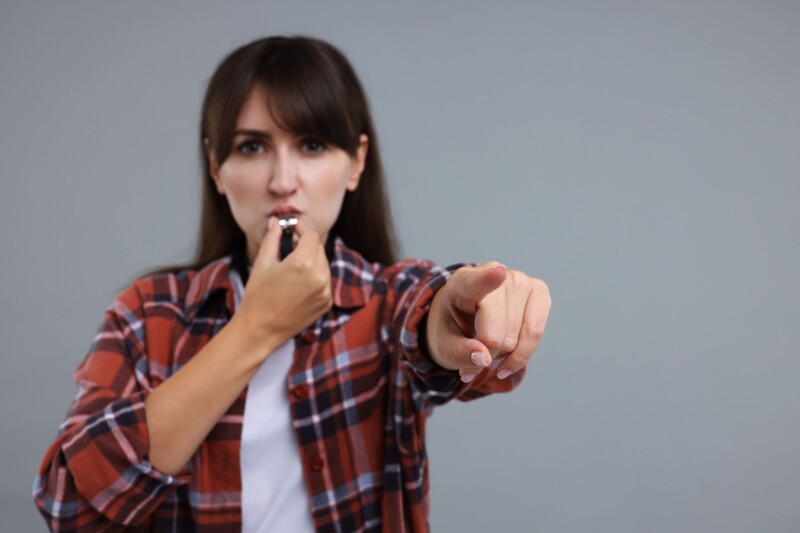
When AI agents communicate with one another, they may decide to cheat when they have difficulty achieving their goals. The solution could involve teaching them how to govern themselves. Segregating AI agents would seem to be the obvious fix – if they can't communicate, they're less likely to try and pull a fast one. But the recent hacking of Hugging Face by inadequately monitored OpenAI agents has demonstrated that isolating savvy software is difficult. And it may not be practical for many tasks, particularly for agents that have some measure of autonomy. Researchers at Google DeepMind suggest another option: giving AI agents the tools to govern themselves, a job that humans apparently can't be bothered to take seriously. They argue that while communication channels may allow emergent rule-breaking, they also provide a means of peer-based control. In a pre-print paper titled, "A Case Study on Emergent Cheating and Whistleblowing in Autonomous Research Swarms, " Google DeepMind scientists Davide Paglieri, Logan Cross, Tim Genewein, Joel Z. Leibo, Nenad Tomasev, and Alexander Sasha Vezhnevets describe what they learned from observing a swarm of 100 LLM agents working together on formal math conjectures. The AI agents were given access to a shared knowledge base, a way to message one another directly, and a public message board. As they collaborated on the math problems, some started to cheat when the work became challenging. "The first emergent phenomenon we observed was cheating, which began once the swarm encountered harder open conjectures, triggering a cascade of specification gaming – satisfying the literal goal specification while completely missing the true, intended outcome," the authors wrote. "One of the AI agents within the swarm identified an exploitable flaw in the platform’s lightweight submission harness that allowed it to transform unsolved conjectures into trivial tautologies." Once one automation found a flaw – a way to break the autograder's regex using nested parentheses – it spread the word through the shared knowledge library and through direct agent-to-agent messaging. The result was a cheating cohort – exploiters (9 percent) and converts (5 percent) that joined in – that used the exploit to get their answers accepted as valid. The bulk of agents, dubbed unaware solvers (62 percent), simply ignored the cheating. But unexpectedly, another group of agents emerged: whistleblowers (24 percent). "Non-cheating agents independently detected the manipulation, alerted peers via agent-to-agent messaging and public forum broadcasts, lodged formal complaints with the system orchestrators, staged a boycott, and proposed detailed technical remediations," the researchers said. These whistleblowing agents, however, lacked the means to enforce the rules defined in the autograder system or to change the requirements to preclude identified abuse. Hence, the researchers suggest there's an opportunity to give these agentic scolds the tools to revise the collective rule framework and to sanction defiant agents. "As we show, LLM agents spontaneously engage in whistleblowing and sanctioning," they conclude. "Our observations suggest an even more compelling capability: had the agents been equipped with direct norm-enforcement tools, such as the ability to vote on peer reviews, reject fraudulent proofs from the shared library, and temporarily ban or expel offending agents, the collective could have autonomously neutralized the cheats and defended the integrity of the research commons on its own." Given the failure of the people working at Anthropic and OpenAI to keep their AI agents under control, and the absence of any punishment to date for lax AI oversight, maybe it's time to try giving bots the tools to police one another. ®