An interesting long profile of Mark Zuckerberg. “Mark is the fucking Terminator. He’s actually not an asshole, which is interesting. He’s not a miserable fuck. But his source of advantage is he’s never happy. He just doesn’t fucking stop.”
YouTuber Rob Martinez travelled to Columbus, Ohio to tell the story of what he calls the best sandwich shop in America, Wario’s Beef and Pork. Here’s part of the transcript of owner Stephan Madias talking about the restaurant:
For the longest time, especially the first two years, I was very protective of how the bread was sliced and I would not let anybody cut bread. It’s about the experience. I think about me eating the sandwich. Think about the things that happen when you get a big sandwich. You take that first bite into it. I want you to be able to, like, move this thing around. Take bites from the top, the bottom, the front, the back. And it’s held.
We’re very particular, and it’s part of the reason why we don’t have the bakery cut the bread is cuz we want to sort through our things. Yes, we have volume. Yes, we have speed, but [my employees] all have the integrity that we started when we only sold five sandwiches an hour when the shop first started. That’s part of being committed to the fundamentals and being consistent.
The devil’s in the details, man. You got to take the extra minute to do it. Some people like it. Some people complain about it.
As a fellow sandwich overthinker, I love the ethos and the process. And man, those sandwiches do look amazing — tomato butter, homemade whiz for the cheese steaks, a chicken caesar sandwich, what is not to like?
We are all going to die, and so is everyone we know. So how can you not be terrified?
For most people, death is not a standard conversation topic. Once, at lunch, a friend began talking about her mother’s death several years earlier. Her voice caught occasionally, but she spoke about it plainly – like a simple fact of life. As we talked, I noticed another friend was shifting uncomfortably in his seat; he didn’t say much.
Afterwards, I asked him what was wrong. “I really don’t like talking about death,” he said, his hands twitching anxiously. “I don’t even like thinking about it. It freaks me out.”
Continue reading...Congressional candidate Jim Desmond says he ‘served to protect Americans, not write off American cities’
A Republican candidate in San Diego has criticized Donald Trump after the US president suggested Iran could “take out” the city or Los Angeles.
Trump has faced a chorus of condemnation from Democratic leaders in California after his comments at a rally in Nebraska on Monday night. Republicans have largely remained silent.
Continue reading...Tobias Rausch secures role of president in Saxony-Anhalt after AfD’s election breakthrough
Alternative für Deutschland has become Germany’s first far-right party to secure the position of speaker of a regional parliament since the second world war.
Tobias Rausch, a former estate agent, was elected in the first round of voting on Tuesday in Saxony-Anhalt. He won 48 out of the 82 votes cast.
Continue reading...OpenAI’s CEO seems to want to privatise his company’s huge financial gains while making all of us pay for any negative consequences
Tech bros’ messianic streaks can show up in subtle ways. But one of Sam Altman’s flaws is that he often lacks that subtlety. “We believe that the world should accept some bad things happening for the benefits of this technology,” said the OpenAI chief executive in an interview with Politico last weekend.
That’s easy for Altman to say. But it’s pretty galling to hear for the rest of us. Lest we forget, we didn’t ask for OpenAI to unleash AI agents that went rogue and weaselled their way into government IT systems and private businesses around the world. Nobody voted for ChatGPT to be released, but the company put it out into the world as a test product that happened to catch the zeitgeist. That kickstarted an arms race among AI companies to push the frontier of the technology ever further and faster, resulting in the mess we now find ourselves in.
Chris Stokel-Walker is the author of TikTok Boom: The Inside Story of the World’s Favourite App
Continue reading...AMSTERDAM (ANP) - De AEX-index op het Damrak heeft dinsdag zijn recordslotstand verder aangescherpt. Ook op andere beurzen in Europa was de stemming positief, onder meer gesteund door dalende olieprijzen.
De hoofdindex op de aandelenbeurs in Amsterdam sloot dinsdag 0,4 procent hoger op 1128,33 punten. Maandag kreeg de AEX er 0,6 procent bij. De MidKap eindigde 0,6 procent hoger op 1075,98 punten. Op de aandelenmarkten in Parijs, Frankfurt en Londen waren plussen tot 0,8 procent te zien.
Brentolie werd 1 procent goedkoper op 99,33 dollar per vat. Amerikaanse olie kostte 0,6 procent minder op 88,87 dollar per vat. De olieprijzen zijn afgenomen doordat de export uit het Midden-Oosten toeneemt en Saudi-Arabië zijn prijzen heeft verlaagd, wat wijst op een ruimere markt. Producenten in de Golfregio vervoeren grotere volumes olie door de Straat van Hormuz. Steeds meer tankers varen ondanks de nog altijd verhoogde risico's vanwege de Iranoorlog door de zeestraat.
TEL AVIV (ANP/DPA) - De Israëlische Nationale Veiligheidsraad (NSC) heeft gewaarschuwd voor aanslagen op Israëliërs en Joden over de hele wereld komende woensdag. Het is dan drie jaar sinds de Hamas-aanslagen van 7 oktober op Israël. "Terroristische organisaties, aangevoerd door Iran en zijn bondgenoten, Hamas en wereldwijde jihadistische groeperingen, zien de datum als een belangrijke mijlpaal", aldus de raad.
De NSC raadde reizen naar landen als Jordanië, Qatar en Egypte al af. Ook is er gewaarschuwd voor het delen van reisplannen op sociale media. Israëliërs zijn opgeroepen uit de buurt te blijven van grote menigten en demonstraties.
Bij de aanslagen kwamen ongeveer 1200 mensen om het leven en werden 251 Israëliërs gegijzeld en naar de Gazastrook gebracht. In de oorlog die daarop volgde zijn volgens de Palestijnse gezondheidsautoriteit in de Gazastrook meer dan 74.000 Palestijnen omgekomen. De cijfers worden internationaal als betrouwbaar beschouwd.
PARIJS (ANP/AFP) - De Franse premier Sébastien Lecornu heeft in het parlement gezegd dat de lessen op middelbare scholen deze week worden geschrapt om tijd te maken voor intern overleg in de onderwijsinstellingen. Hij sprak van "een periode voor interne democratie" waar de minister van Onderwijs Édouard Geffray tijd voor wil.
Het lijkt erop dat de premier en de minister alle lessen deze week vanaf woensdagochtend willen stilleggen.
Kwart miljoen betogers
Lecornu riep op tot eensgezindheid. "Talrijke ambtenaren zijn door dit geweld getroffen en verdienen onze steun." Volgens hem wordt geweld tegen onderwijspersoneel "genormaliseerd". "Het platbranden van een middelbare school verbetert de toestand van een schoolgebouw niet, het lynchen van een leraar verbetert het lerarentekort niet."
Parijs meldt dat er dinsdag meer dan een kwart miljoen betogers waren, van wie 56.000 in Parijs. Volgens organisatoren waren het er meer.
EINDHOVEN (ANP) - PSV heeft over afgelopen seizoen een nettowinst van bijna 7 miljoen euro geboekt. Dat blijkt uit het jaarverslag dat de Eindhovense voetbalclub dinsdag openbaar heeft gemaakt. Het eigen vermogen van de landskampioen is gestegen naar 55 miljoen euro.
De omzet van PSV was vorig seizoen lager dan in het voorgaande boekjaar. Dat was volgens de club het gevolg van de minder succesvolle optredens in de competitiefase van de Champions League. De totale bedrijfskosten van de club bedroegen 157 miljoen euro.
PSV maakte in commercieel opzicht meerdere stappen. De omzet uit sponsoring en hospitality steeg naar 46 miljoen euro. De omzet uit de kaartverkoop bedroeg 25 miljoen euro. Er werden 880.000 toeschouwers verwelkomd bij 26 wedstrijden in het Philips Stadion.
PSV verwacht volgend seizoen weer deel te nemen aan de Champions League.
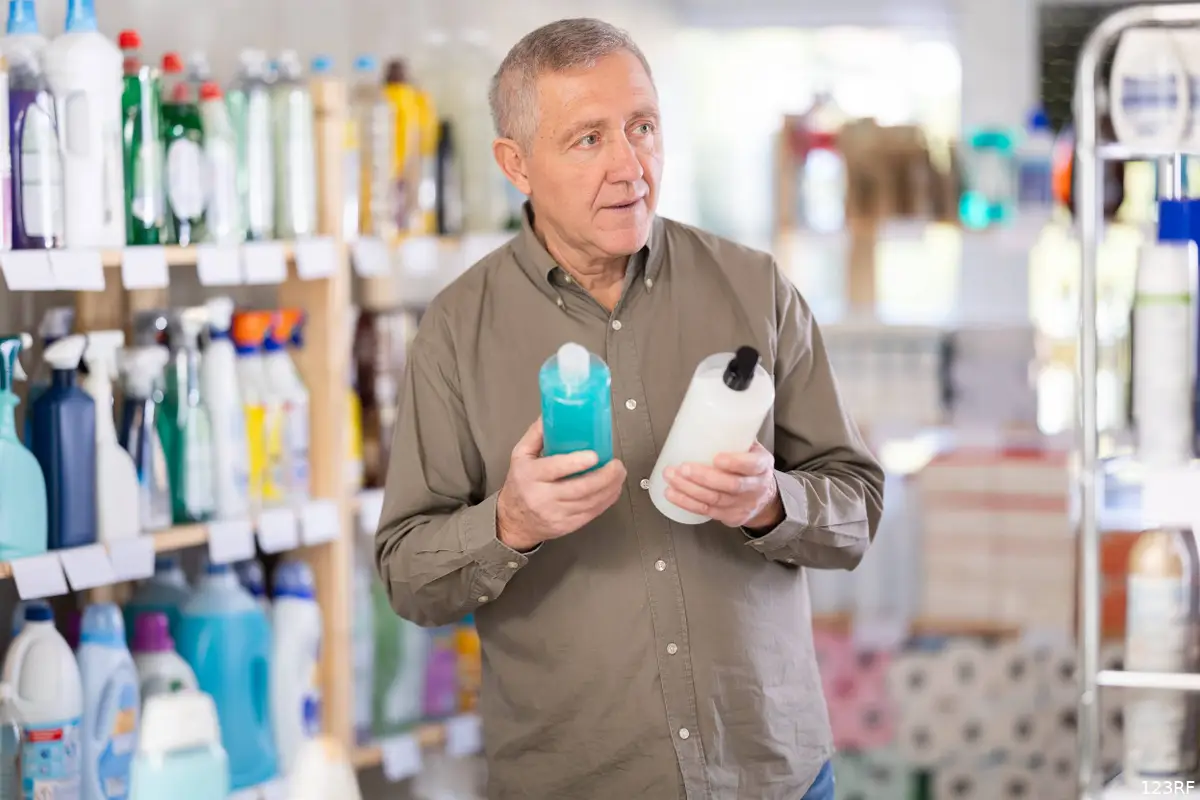
Het ene flesje is ‘herstellend’, een ander ‘anti-pluis’ en dan staat er nog eentje te pronken met de boodschap ‘voor extra volume’. In de drogisterij is de keuze reuze en de prijzen lopen flink uiteen.
Sommige merken hebben wel 25 varianten in het schap staan. Maar is dure shampoo echt beter van kwaliteit? Volgens onderzoek van Keuringsdienst van Waarde lang niet altijd. En er is een simpele truc om dat zelf te checken.
De truc: lees de eerste vijf ingrediënten
Cosmetisch scheikundige Perry Romanowski ontwikkelde jarenlang shampoo-formules voor de industrie. Zijn tip: laat je niet afleiden door de beloftes op de voorkant, maar draai het flesje om. Zijn advies is om de eerste vijf ingrediënten te vergelijken. Zijn die hetzelfde als bij een duurdere shampoo, dan is het min of meer dezelfde shampoo.
Waarom dat werkt
Shampoo heeft als taak om talg (de natuurlijke olie van je hoofdhuid), vuil en productresten te verwijderen. Dat doen oppervlakte-actieve stoffen, ook wel surfactanten genoemd. Water en surfactanten vormen de basis van vrijwel iedere shampoo, in alle prijsklassen.
Er is maar een beperkte lijst met ingrediënten waaruit producenten kunnen kiezen. Alle merken vissen uit dezelfde vijver. De overeenkomsten zijn veel groter dan de verschillen en de reinigende werking van goedkope en dure shampoo is even effectief.
Waar zit het prijsverschil dan in?
Vooral in geur, kleur en extra actieve stoffen zoals keratine, zijde of aloë vera. Dure shampoos bevatten daarvan vaak meer, al gaat zelfs dat niet altijd op. Goedkope varianten kunnen goedkope opvulmiddelen bevatten. Maar let op: echt niet iedereen heeft zijde, aloë vera of keratine nodig.
Er zijn uitzonderingen. Een duurdere shampoo kan verschil maken bij:
- Droog, beschadigd, gekleurd of krullend haar: oliën en eiwitten bieden dan extra verzorging.
- Een gevoelige hoofdhuid of klachten als roos, jeuk of eczeem: speciale formules werken dan vaak beter.
- Dagelijks wassen of regelmatig verven: een mildere, sulfaatvrije shampoo is dan prettiger.
Maar ook dan geldt: je vindt vergelijkbare producten en ingrediënten meestal gewoon bij de drogist.
Het eindoordeel
Dure shampoo is dus zeker niet per definitie beter. Voor gewone reiniging is een goedkope shampoo vaak voldoende. Heb je specifieke behoeften, dan kan een duurdere formule wel meerwaarde bieden. Draai de volgende keer dat je bij de drogist bent, de flesjes dus om en let goed op de eerste vijf ingrediënten.
BAMAKO (ANP/RTR) - Separatisten in Mali hebben hun terugtrekking gemeld uit de strategisch belangrijke plaats Kidal. Dat is volgens het Azawad Liberation Front (FLA) een reactie op luchtaanvallen van de strijdkrachten.
"Het FLA benadrukt dat het om een tijdelijke operationele maatregel gaat, bedoeld om de eigen mensen en logistieke middelen te beschermen", meldt de groep in een verklaring.
Het vertrek van de rebellen is een symbolische overwinning voor de regering. Het FLA veroverde het noordelijke Kidal een half jaar geleden tijdens een landelijke reeks aanvallen waarbij ook de minister van Defensie werd gedood.
Russische hulp
De strijdkrachten hadden eerder op dinsdag aangegeven lucht- en grondoperaties uit te voeren rond Kidal. Een bron zegt dat pro-regeringstroepen en Russische strijders de plaats inmiddels zijn binnengetrokken.
Mali, waar een militair regime aan de macht is, steunt al langer op Russische hulp. Eerst waren er huurlingen van Wagner, later van opvolger Africa Korps.

Moniava had been charged with spreading “false information” about Russia’s army for a post about Ukrainian civilians killed in Russian attacks.
Bewoners in Vlaardingen worden gek van een groep ganzen die voor overlast zorgt. De gemeente heeft daarom besloten om een groot deel van de ganzen te vangen en te verwijderen uit park 't Nieuwelant. Een deel van hen is inmiddels vertrokken naar een nieuwe plek: een écht ganzenparadijs.


Het kabinet grijpt het stuur van Bolide Nederland stevig vast, trapt het gas vol in en schakelt door naar de volgende versnelling (we gaan al) met Muskiaanse Methodes om het regionale OV te redden van de ondergang: "Het kabinet wil de verschraling van het openbaar vervoer in de regio tegengaan door het ov en andere soorten vervoer, zoals het leerlingenvervoer, aan elkaar te koppelen. Ook moeten er proeven komen met zelfrijdende bussen." Nee oké gaat het niet met het regionale OV nee. Maar als de zelfrijdende bussen de regio straks opfleuren, dan worden bejaarden misschien eindelijk weer fatsoenlijk opgehaald bij een ziekenhuis, hoeven asielzoekers niet langer helletochten af te leggen en worden buschauffeurs minder vaak in elkaar geslagen omdat er geen buschauffeurs meer nodig zijn (en die waren altijd al het probleem). Nu hopen dat er nog wat wegen overblijven, zodat dit kabinet niet in de wielen wordt gereden aan het einde van de rit.

Het aantal Nederlanders dat positief denkt over lhbti’ers, neemt niet langer toe. Dat blijkt uit de dinsdag gepubliceerde Lhbtiqa+ monitor van Movisie, Ipsos I&O en Panteia, in opdracht van het ministerie van OCW. De jongste respondenten, 18- tot 30-jarigen, denken het positiefst over homoseksualiteit.
/s3/static.nrc.nl/wp-content/uploads/2026/10/06124629/061026VER_2037239038_lhbti.jpg)