The deal was part of lengthy negotiations in which Washington is urging Belarusian President Alexander Lukashenko to free hundreds of people.
Major General Anton Grunis had personally briefed Putin on the capture of the heavily fortified city earlier this summer.

„Hoe ziet de heer Paternotte de gesprekken voor zich waarin we tot iets moeten komen?”, vraagt Pro-leider Jesse Klaver aan D66-fractievoorzitter Jan Paternotte.

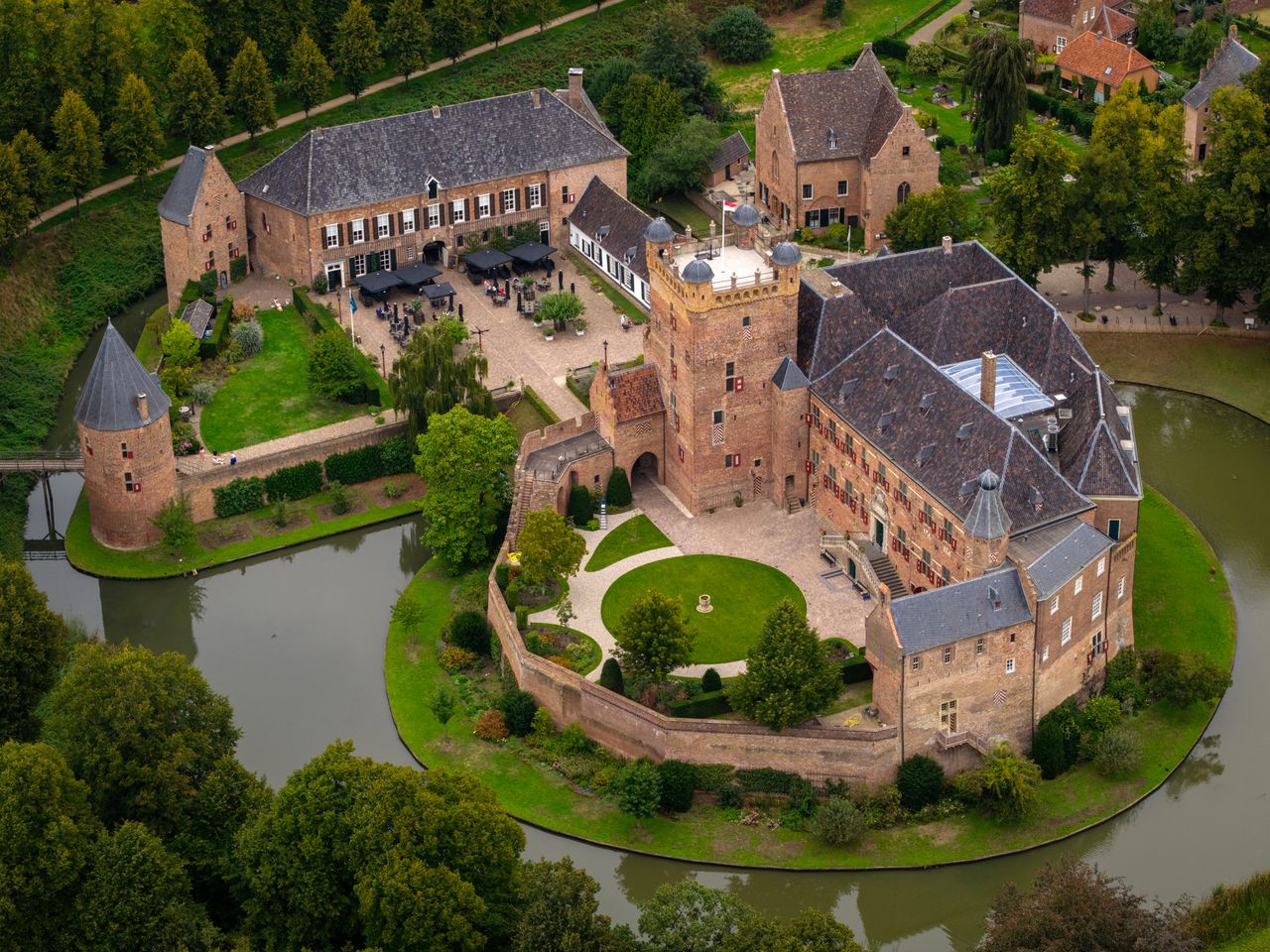
Hoe verduurzaam je een bijna 900 jaar oud kasteel? Met daarin ook nog een museale middeleeuwse kunstcollectie en een archief dat begint in 1227? Deze donderdag heropent de koning Huis Bergh.
Volgens het Kosovotribunaal was Hashim Thaçi een „sleutelfiguur” in de arrestatie, marteling en moord op onschuldige burgers. Ook drie andere oud-politici werden daarvoor veroordeeld tot lange celstraffen.

Announcement of visa restrictions follows Trump’s false claims of ‘white genocide’ taking place in South Africa
The US has announced visa restrictions on some South Africans as Donald Trump’s administration continues to claim that South Africa’s government racially discriminates against white minority Afrikaners.
The announcement did not specify individuals who were barred from the US. Trump has spent his second term falsely claiming there is a “white genocide” in South Africa and railing against its affirmative action policies.
Continue reading...Poet in da Corner by Debris Stevenson revealed that acting in a theatre can have a lot in common with MCing in a club
By 2018 I was in my third or fourth year professionally as a grime MC and producer. I was 27 and didn’t have any aspirations in theatre. But Debris Stevenson, a good friend of mine, asked me to help her write one of the first drafts of a song in her play Poet in da Corner. I did that and then she invited me to a table reading session at the Royal Court to read the part of SS Vyper [a pirate radio DJ].
The theatre’s artistic director, Vicky Featherstone, said: “You read it so well you may as well be in the play!” I thought she was joking, but the next week I was in rehearsal.
for colored girls who have considered suicide / when the rainbow is enuf, with music by Jammz, is at the Yard theatre, London, until 17 October
As told to Lindesay Irvine
Continue reading...US vice-president’s comments come as former Anthropic researcher revisits recent claim AI could destroy humanity
The US vice-president has dismissed calls for global regulation of AI safety risks, telling companies creating the most advanced models: “If you’re building Frankenstein, stop.”
In remarks addressed towards Dario Amodei, the co-founder of Anthropic who has called on Washington DC to coordinate control of AI systems, including with China, JD Vance said: “If you’re gonna create Frankenstein, don’t come to the government and say we need regulation.”
Continue reading...He risks his life for entertainment, but getting an anecdote out of him is a trickier matter. Happily, Cruise is no stranger to knuckling down and pulling off the impossible
By now, we’ve grown used to watching Tom Cruise excel at everything he does. Running in films? The best. Risking his life in action scenes so preposterously dangerous that audiences need to have their sphincters manually unclenched with a crowbar? Absolutely, none better. Singlehandedly ensuring that theatrical exhibition didn’t go extinct after Covid? The man deserves all the praise in the world for that.
But nobody is perfect. Live long enough and a few flaws will worm their way to the surface. This is as true for Tom Cruise as it is for anyone else. And while I realise that this might do me out of a cake this Christmas, the following really needs to be said: Tom Cruise isn’t very good at interviews.
Continue reading...I hear a lot of bullshit.
But nothing gets the smoke pouring out of my ears quite like when I overhear someone say, “You know…”
“…Riding around in a horse-drawn carriage won’t get you any pussy.”
You’ve gotta wonder whether the type of Einsteins who go around spouting off that kind of nonsense have any experience at all holding the russet leather reigns of a Glinkowski X-Line series. Hearing the clip-clop of the horses’ hooves on the pavement. Feeling the frustration of the traffic around you as you slow it down and lay horse apples in its path. Dealing with the confusion when a young couple on a date asks if you’re available for hire and you tell them, “No, this is just how I get around.”
Now, I’m not saying that riding around in a horse-drawn carriage gets you a ton of pussy, but to say it won’t get you any pussy is one of the biggest pussy-getting myths out there. As much pussy as driving a Ferrari? I wouldn’t know. But definitely as much if not more than driving a relatively new Subaru Forester. Women love horses, and while they aren’t particularly into the carriage part, giving women a reason to talk to you in the first place is pussy-getting step numero uno.
Pussy-getting step numero dos is establishing trust, and riding around in a horse-drawn carriage does have its pros and cons in that regard. It’s definitely tough to stop to talk to women for any length of time while the horses are getting antsy and going to the bathroom a lot in one spot. It’s also not the greatest method of transportation for offering them rides, because they (correctly) assume it’s going to take a lot longer to get where they’re going than just calling an Uber. But, at least owning a horse-drawn carriage establishes that you’re responsible enough to own a horse-drawn carriage, and that could definitely help build up that all-important pussy-getting trust.
Ultimately, if you want a woman’s panties hanging from the rear-view mirror of your horse-drawn carriage, it’s going to be a long road of making a good first impression, getting to know her, charming her, establishing your compatibility with her, proving that you have something to offer, and eventually bringing your relationship to the point of commitment that she feels comfortable sleeping with you. And hey, you’ve got the perfect place to do that right behind you and your horses!
So don’t let the haters say you’ll never get any pussy from riding around in a horse-drawn carriage. Establishing a romantic connection with women is a challenge no matter if you’re riding around in a horse-drawn carriage, a one-man dirigible, or a penny-farthing bicycle. And hey, not everything is about getting pussy, right? Sometimes riding around in something is simply its own reward.
"Misschien ben je meer geschikt voor musicals." Het was ooit een tip van cabaretfestival Cameretten aan een piepjonge Richard Groenendijk. Twee cabaretprijzen én een Musical Award later deelt de Rotterdamse cabaretier nu de hele brief waarmee hij in 1993 keihard werd afgewezen. Niet om zijn gelijk te halen, maar om jong talent van nu te inspireren.
The Ministry of Justice (MoJ) has apologized after court staff accessed documents relating to victims and survivors of the 2024 Southport murders without authorization. For a limited number of people, the material accessed included sensitive personal data assessed as likely to pose a high risk to their rights and freedoms. There is no evidence that the information was shared with third parties. "We are appalled that this happened and recognise the distress it will have caused victims, survivors, and their families," an MoJ spokesperson said. "We apologise to those affected – unauthorized access to court files is completely unacceptable. "This is now being investigated urgently, and the prime minister has asked the Lord Chancellor to oversee this. "All wrongdoing will be met with extremely firm action." The Register asked the MoJ how many staff accessed the files, whether they remained employed, and what their reasons may have been. It did not address those questions. Those affected include members of victims' and survivors' families, all of whom are being contacted directly. The MoJ did not disclose how many people were involved. HM Prison and Probation Service and HM Courts and Tribunals Service are investigating the matter. The Information Commissioner's Office has also been informed. The MoJ breach is the latest in a series of incidents involving inappropriate access to sensitive records connected to the attack. Separately, North West Ambulance Service investigated potentially inappropriate access by some of its staff to records of patients in the Southport attacks. And nearly 50 staff were found to have inappropriately accessed the medical records of some victims treated at Aintree University Hospital, near the place of Axel Rudakubana's attacks. Rudakubana, who was 17 at the time and has since been admitted to a psychiatric hospital, attacked a Taylor Swift-themed dance class in Southport, England, on July 29, 2024, killing three children and injuring eight other children and two adults. False claims about the attack online prompted violent, racially charged riots across the UK. Police made 1,511 arrests in the weeks that followed and brought 960 charges. Rudakubana was sentenced to life imprisonment with a minimum term of 52 years. ®

DEN HAAG (ANP) - Op het Malieveld in Den Haag is het kort onrustig geweest na de veroordeling van de Kosovaarse oud-president Hashim Thaçi. Aanhangers van hem waren daar woensdagochtend samengekomen. Het Kosovotribunaal heeft Thaçi veroordeeld tot 25 jaar cel voor oorlogsmisdaden in de jaren 90.
Op beelden op sociale media is onder meer te zien dat een aantal demonstranten springt op een rijdend politiebusje en dat iemand een paraplu naar datzelfde busje gooit. Ook slaat iemand met een vlaggenstok tegen het busje.
Volgens regionale media zou de ME zijn bekogeld met onder meer stenen, takken en vlaggen. De politie zou traangas hebben ingezet.
Een verslaggever van het ANP ziet dat iets na het middaguur de rust is teruggekeerd. Politie en ME zijn volop aanwezig en de weg langs het Malieveld tussen de Laan van Reagan en Gorbatsjov en het provinciehuis is afgesloten. Er zijn nog zo'n 100 tot 150 demonstranten aanwezig, verspreid in groepjes langs de rand van het veld.
DEN HAAG (ANP) - Dat de Europese Commissie komt met voorstellen voor een minimumleeftijd voor sociale media, is een "zeer goede ontwikkeling", vindt staatssecretaris Willemijn Aerdts (Digitale Economie, D66). Commissievoorzitter Ursula von der Leyen kondigde woensdag plannen aan voor een algeheel verbod tot 13 jaar en een verbod op persoonlijke accounts tot 15 jaar.
Tussen de 13 en 15 jaar zouden volgens Von der Leyen alleen "mini-accounts" moeten worden toegestaan die worden aangemaakt en beheerd door ouders. Voor gebruikers tussen 15 en 18 jaar moeten platforms aan "veilig ontwerp" doen.
"Het is een belangrijke stap dat er nu wordt gewerkt aan een minimumleeftijd voor sociale media in Europa", zegt Aerdts in een verklaring. "We pleiten hier als Nederland al langer voor." Zelf wil ze een minimumleeftijd van 15 jaar. "Maar uiteindelijk moeten we daar in Europa samen afspraken over maken."
BEIROET (ANP/AFP) - Libanon wil een veiligheidsakkoord met Israël sluiten zodra dat land zich uit het zuiden heeft teruggetrokken. Dat zegt de Libanese president Joseph Aoun tegen persbureau AFP. Volgens hem is onderhandelen de enige optie om een eind te maken aan de vijandelijkheden. "Want het alternatief is oorlog, wat ons duur zou komen te staan."
Een veiligheidsakkoord zou een opmaat kunnen zijn naar een later vredesakkoord met Israël, aldus Aoun. Ook sprak hij over de ontwapening van Hezbollah, wat volgens hem vreedzaam moet gebeuren.
Aoun gaf daarnaast aan behoefte te hebben aan een nieuwe troepenmacht in het zuiden van Libanon. Dat moet een veiligheidsvacuüm voorkomen als de VN-vredesmacht eind dit jaar vertrekt vanwege het aflopende mandaat. Nieuwe troepen zouden tijdelijk zijn, tot het Libanese leger ter plaatse kan worden ingezet.
De vredesmissie is sinds 1978 actief. Ook Nederland heeft hieraan meegedaan. Er zijn rond de 7500 vredeshandhavers uit bijna vijftig landen aanwezig.
Een experimentele kankerbehandeling heeft bij een driejarige jongen een opmerkelijk resultaat opgeleverd. Na twee doses van een aangepaste vorm van CAR-T-celtherapie waren er geen tekenen meer van zijn uitgezaaide leverkanker. Twaalf maanden later was hij nog altijd ziektevrij.
CAR-T-celtherapie gebruikt de eigen afweercellen van een patiënt. Die T-cellen worden genetisch aangepast zodat ze kankercellen herkennen en aanvallen. De behandeling heeft al veelbelovende resultaten opgeleverd bij bloedkanker, maar werkte tot dusver veel minder goed tegen solide tumoren.
De jongen leed aan hepatoblastoom, een kwaadaardige vorm van leverkanker. Bij de diagnose zat in de linkerleverkwab een tumor van 11,2 bij 9,6 bij 7,1 centimeter. De kanker was uitgezaaid naar zijn longen en er waren aanwijzingen dat ook zijn botten waren aangetast.
Hij kreeg drie chemokuren. De levertumor werd operatief verwijderd en met twee andere operaties werd kanker uit zijn longen weggehaald. Toch keerde de ziekte snel terug. In zijn longen verscheen opnieuw een tumor.
Daarop werd de jongen opgenomen in de CARE-studie, de eerste proef bij mensen met een experimentele CAR-T-behandeling. Zijn eigen T-cellen werden aangepast om glypican-3 (GPC3) te herkennen, een eiwit dat sterk aanwezig is bij leverkanker. De cellen kregen daarnaast genen voor de immuuneiwitten interleukine-15 en interleukine-21, bedoeld om ze langer te laten overleven en tumoren krachtiger te laten bestrijden.
Tweede dosis
Na de eerste infusie kromp de kanker gedeeltelijk. CT-scans lieten verbetering zien en de hoeveelheid alfa-fetoproteïne in zijn bloed, een aanwijzing voor tumoractiviteit, daalde. Acht weken later volgde een tweede dosis. Daarna waren op scans geen tekenen van de ziekte meer zichtbaar, afgezien van wat littekenweefsel.
"Deze casus toont aan dat een duurzame volledige respons bij een chemotherapieresistente tumor volledig poliklinisch kan worden bereikt zonder systemische toxiciteit”, zegt kinderoncoloog David Steffin van Baylor College of Medicine.
Kinderoncoloog Andras Heczey noemt het resultaat bewijs dat deze nieuwe CAR-T-cellen "een veilige en effectieve behandelmethode voor hepatoblastoom kunnen zijn” en benadrukt dat verder onderzoek bij patiënten nodig is.
Het gaat vooralsnog om één patiënt in een vroege klinische studie. Verder onderzoek moet uitwijzen hoe veilig en effectief de behandeling bij andere patiënten is.
Bron: Science Alert

This article was produced in collaboration with WIRED. You can read their version of the article here.
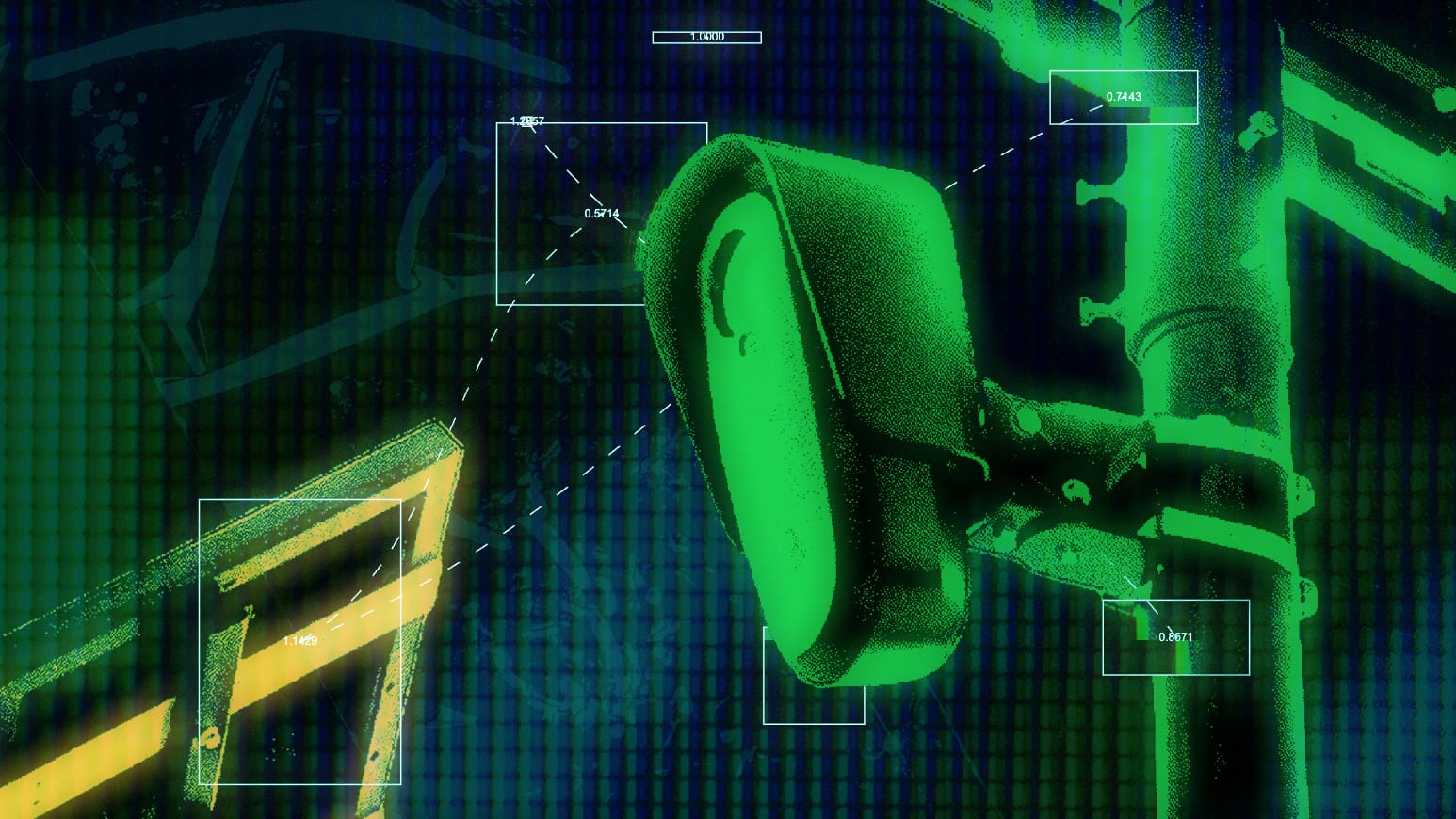
Hackers ripped down a Flock camera above a roadway, made a near-complete copy of the data stored inside it, and shared the files with 404 Media and WIRED, revealing in new detail how exactly Flock Safety’s cameras track the movements of both vehicles and people. The hackers say they are also publishing details on how they managed to obtain the software, in the hopes that other people may copy them.
The breach provides an unprecedented look inside a system that Flock has described as protected by on-device encryption. The hackers were able to copy the camera’s storage and recover an encryption key stored on the device, which unlocked videos of thousands of vehicle detections. The hackers shared the material with 404 Media and the transparency nonprofit Distributed Denial of Secrets, which shared the data with WIRED. 404 Media and WIRED then analyzed those files as part of a joint investigation.
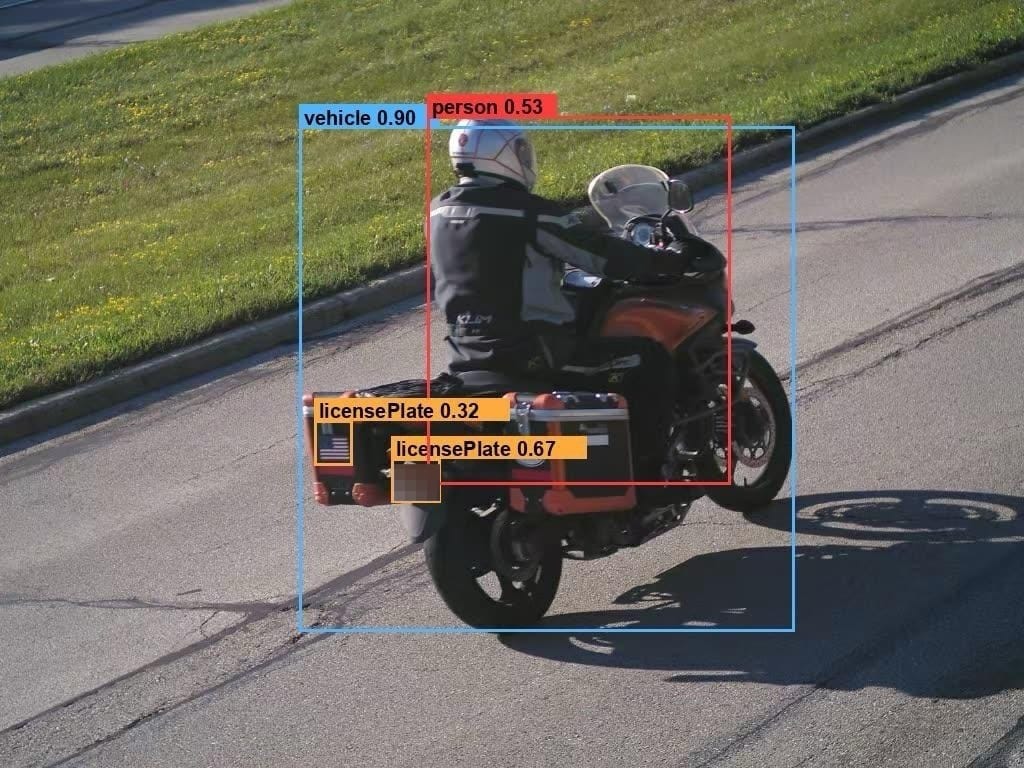
While much of the automatic license plate reader’s (ALPR) most sensitive storage remained encrypted and inaccessible, the joint analysis of the recovered data shows that software running on the device explicitly detects people as well as vehicles, license plates, and bicycles. The camera can produce dozens of images of a single passing vehicle and, according to several weeks of recovered logs, generated more than a million images. Its computer-vision software also sometimes isolated bumper stickers and other graphics, including, in one case, an American flag patch on a motorcyclist’s saddlebag.
The act of removing the camera and dumping its software shows that some people are not content with just destroying or removing the cameras. Across the country, multiple people have been arrested for allegedly tampering with or otherwise sabotaging Flock’s cameras. In response, some towns have announced that they are going to stop using Flock’s cameras altogether, and in one case, a police department even made a fake, 3D-printed Flock camera case in order to bait potential vandals.
💡
Do you know anything else about Flock? I would love to hear from you. Using a non-work device, you can message me securely on Signal at joseph.404 or send me an email at joseph@404media.co.
“Why just destroy them when we can reverse engineer them and find the secrets of those spying on us?” one of the hackers, from a collective calling itself stegan0gram, said in an interview. “We liberated hardware in the field, disarmed them, and proceeded with reverse engineering of the cameras and associated solar equipment.”
Flock’s cameras photograph passing vehicles and send the images and other data to the company’s servers. There, Flock’s system presumably reads the license plate and can identify characteristics such as the vehicle’s color, make, and model. Flock then makes these timestamped records searchable by whichever local agency owns or has access to the cameras. But in many cases, Flock’s system also allows other police departments from all over the country to search those cameras too, as part of the company’s national network. In Alpharetta, Georgia, for example, WIRED found that records from the city’s Flock cameras were accessible to more than 2,000 agencies, including police departments, colleges, airports, and even inexplicably the Office of Inspector General for the federal General Services Administration.
This national network has been a selling point for Flock, but also a deep source of controversy. 404 Media revealed that local cops were performing lookups in the national network on behalf of Immigration and Customs Enforcement (ICE), including in areas that banned working with immigration authorities or transferring license plate data out of state. 404 Media also revealed a cop in Texas searched Flock cameras nationwide for a woman who self-administered an abortion. Those stories, among others, triggered a national conversation about whether people want Flock cameras, or ALPRs more generally, in their communities.
And in the case of stegan0gram, the answer is clearly, no.
The hackers said they were able to access the Android system on the camera, and found two partitions—sections of its hard-drive, essentially. A few of these were unencrypted, the hackers said, including one called “vendor” and another called “media.” The latter contained an encryption key that unlocked another part, which contained much of the media—think, the videos and stills—the camera took.
In early 2025, security researcher Jon “GainSec” Gaines reverse engineered a Flock license-plate reader and documented flaws that could be used to gain root-level access. After Gaines disclosed his findings, the company acknowledged the findings but downplayed their severity, writing that the flaws required physical access to the device and that even someone who gained access to a camera “would still not be able to gain access to footage” because images remained on the device only briefly after being transmitted to the cloud.
404 Media and WIRED analyzed the camera’s contents. The device’s processor is similar to those used in midrange smartphones, and it runs about 20 Flock-built apps that handle everything from detecting motion and taking pictures to classifying objects, uploading data and receiving remote updates.
According to the code, when something moves into view, the camera takes a rapid series of photos. A typical passing vehicle generated about 28 images, though some produced more than 100. The camera uses different exposures to capture both the license plate and the wider scene, then scans the images, selects and crops useful frames, and sends them with other data to Flock over the cellular network. The camera itself does not appear to read the plate or identify the vehicle’s make, model, and color. That appears to happen on Flock’s servers.
According to our analysis, the camera’s logs recorded about 21 days of activity across several periods. During those windows, the device photographed roughly 50,200 vehicles and generated about 1.6 million images. On a typical day, it logged around 3,300 vehicles, with a high of 4,454. Those figures would vary considerably depending on where a camera is installed and how much traffic passes in front of it. The camera was almost certainly operating outside those periods, but older logs had been overwritten or were no longer recoverable from the device.
The software running on the camera explicitly detects people, something which is typically overlooked in discussions around Flock cameras. When it spots a person, it records where they appear in the image and how confident it is in the detection.
To test what the software could actually see, WIRED extracted the models from the camera’s files and ran them against test images and footage recovered from the device. The models readily detected people, including a selfie of a reporter. WIRED then ran them across 27,321 short video clips stored on the camera. The clips were mp4 files, each about one to two seconds long, recorded at 1024 by 768 pixels without audio. They were separate from the rapid bursts of higher-resolution still images the camera also takes as vehicles pass. The models detected people in 11 of the clips, all of them riding motorcycles. The small number is likely due to the camera’s position above a roadway, pointed down at passing traffic where pedestrians were unlikely to appear.
The tests also showed how broadly the camera’s plate detector could interpret what it saw. In some cases, it mistook bumper stickers, dealership frames, and other graphics for license plates and cropped them out as if they were plates. In one video of a passing motorcycle, the detector cropped an American flag patch on the rider’s saddlebag as if it were a plate.
Flock insists its cameras do not perform face recognition. WIRED and 404 Media found no evidence of any face-recognition capabilities in the camera’s software beyond ones included by default in the Android operating system. Those capabilities did not appear to be enabled or in active use.
In August, WIRED obtained front-end code for Flock’s police software, now called OS Investigate and previously known as Nightshift, and reconstructed portions of the tool. That software showed how Flock can use the records generated by its cameras, along with police files and commercial data, to identify drivers, surface vehicles that repeatedly travel together, and search for people based on patterns of movement. The data provides a view of the other end of a system.
A Flock spokesperson said in a statement: “The unauthorized removal and tampering of a Flock camera is illegal.” When asked specifically about the encryption key stored on the camera, the company added, “Flock takes security seriously and maintains a public Vulnerability Disclosure Policy for security researchers to report potential vulnerabilities directly to us. We received no report through that process, and based on the limited information provided, we do not have enough detail to assess the claims being made. If the individuals identified legitimate vulnerabilities, we encourage them to submit their technical findings through our vulnerability reporting process so our security team can review them and take any appropriate action.”
One of the hackers said, “Being investigated is a legit concern and something we are trying to avoid. I'm sure our actions have attracted some attention as it is but we are careful and try to keep a low profile.”
Noel Pichardo, a former Pawtucket Rhode Island police officer who became an outspoken critic of Flock after challenging his department’s use of the cameras, says that he understands the activists’ frustration but worries that sabotaging devices could ultimately strengthen the case for them. “I think that type of vigilantism will only crystallize the police and the state at large in their belief that this tool is necessary,” Pichardo says. “The longer the state continues to ignore the groanings of their constituents who are against this type of surveillance, the more this will happen.”
The camera’s logs also show the camera struggling with storage. Its logs recorded more than 27,000 “no space left on device” errors while trying to save full-resolution images, along with tens of thousands of related errors, crashes, and reboots. At the same time, about every two minutes, code checked that the camera was still running and logged the message, “Who’s a good boy?!” More than 12,000 of those messages appear in the recovered logs.
When the camera did restart, another service left a final message in the logs: “A reboot was requested! ¡Adios Amigos!”

Patriot Caspar San Giorgi, ook wel bekend als Olax, is door die sukkels van een Britten gisteren vrijgesproken voor het bekladden van een standbeeld van Churchill. Dit biedt mogelijkheden. De redactie van GeenStijl is (MET SPOED) op zoek naar iemand die een boot kan regelen waar Elise H., Youness Ouali, Ozan 'Ozzy' Turkdogan, Francisco van Jole, Frank van der Linde, Frenk van der Linde (als we toch bezig zijn), Jona van Loenen (ho wacht het ging om vervelende activisten), Hannah Prins, die kerel die zich had vastgeplakt aan het bureau van Eva, klimaatburgemeester Trees, Laleh Almarjani, Mohammed Kotesh, Abou Eenarm, Jelle Postma, rapper Sef, rapper Abel Geilwijk, Tim Hofman, de voltallige redacties van de Volkskrant, Vrij Nederland en de LINDA, Johan Vollenbroek, Tofik Dibi, Costas Vermeer, Donald Pols, Martijntje Smits en nog een paar anderen op passen. Kunnen ze lekker daar de snelweg blokkeren (wel opletten, ze rijden aan de linkerkant, red.) en standbeelden onderspuiten. Joe joe.