VANCOUVER (ANP) - De Canadese provincie British Columbia spant in Californië een rechtszaak aan tegen het Amerikaanse OpenAI, voor de rol van het bedrijf bij een dodelijke schietpartij afgelopen februari. De schutter plande het schietincident met behulp van ChatGPT, maar ondanks waarschuwingssignalen werd de politie niet benaderd. Eerder klaagden familieleden van slachtoffers het bedrijf ook al aan.
Volgens de lokale minister van Justitie Niki Sharma verdienen de inwoners "het vertrouwen dat geloofwaardige dreigingen met geweld serieus worden genomen".
Een 18-jarige trans vrouw bracht acht mensen om het leven, onder meer haar moeder en halfbroer, en pleegde daarna zelfmoord. Tijdens het voorbereiden van de aanslag werd haar account gedeactiveerd, maar ze kon een nieuw account aanmaken waarmee ze doorging met het plannen.
Sharma schrijft in een verklaring dat OpenAI tot op heden "geen betekenisvolle stappen" heeft ondernomen, zoals het aanscherpen van veiligheidsmaatregelen.
WASHINGTON (ANP) - De regering-Trump heeft voorgesteld om 5 miljard dollar te investeren in een nieuw fonds dat landen in het Midden-Oosten moet helpen bij de wederopbouw van energie-infrastructuur die tijdens de Iranoorlog is beschadigd. Dat meldt de Wall Street Journal maandag.
Ook moet het fonds de afhankelijkheid van de Straat van Hormuz voor het transport van olie en gas verminderen. De Amerikaanse zakenkrant baseert zich op verklaringen van Amerikaanse en Midden-Oosterse functionarissen en documenten die de WSJ heeft ingezien.
Het voorstel is een nieuwe bevestiging dat het zeven maanden durende conflict de wereldwijde energiemarkt ernstig heeft verstoord en regionale pijpleidingen en raffinaderijen heeft beschadigd.
ABC, CBS, Fox News and NBC decline to participate after presidential ban that prompted widespread condemnation
Major US TV news networks agreed to refuse to air coverage of Donald Trump’s White House after the administration banned certain media outlets including CNN from the grounds.
The ban left CNN unable to fulfill its duties as Monday’s White House designated pool broadcaster.
In our era of digital screens and virtually endless images and videos, it’s a challenge to imagine the time before photography existed. Two centuries ago this year, French inventor Nicéphore Niépce successfully captured the first known permanent image. He called his new process héliographie, or “sun writing,” employing light-sensitive bitumen dissolved in lavender oil, which he used to coat a polished pewter plate.
After exposing the plate on his windowsill for several hours, an image of several outbuildings on Niépce’s property emerged, and photography as we know it was born. But it wasn’t until 1839, when Louis Jacques Mandé Daguerre announced his eponymous Daguerrotype, that photography entered the public realm. From there, variations in the chemistry and materials proliferated around the world, spurring advanced technologies and the phenomenon we continue to enjoy today, even in a digital form that feels worlds away from the first iterations.
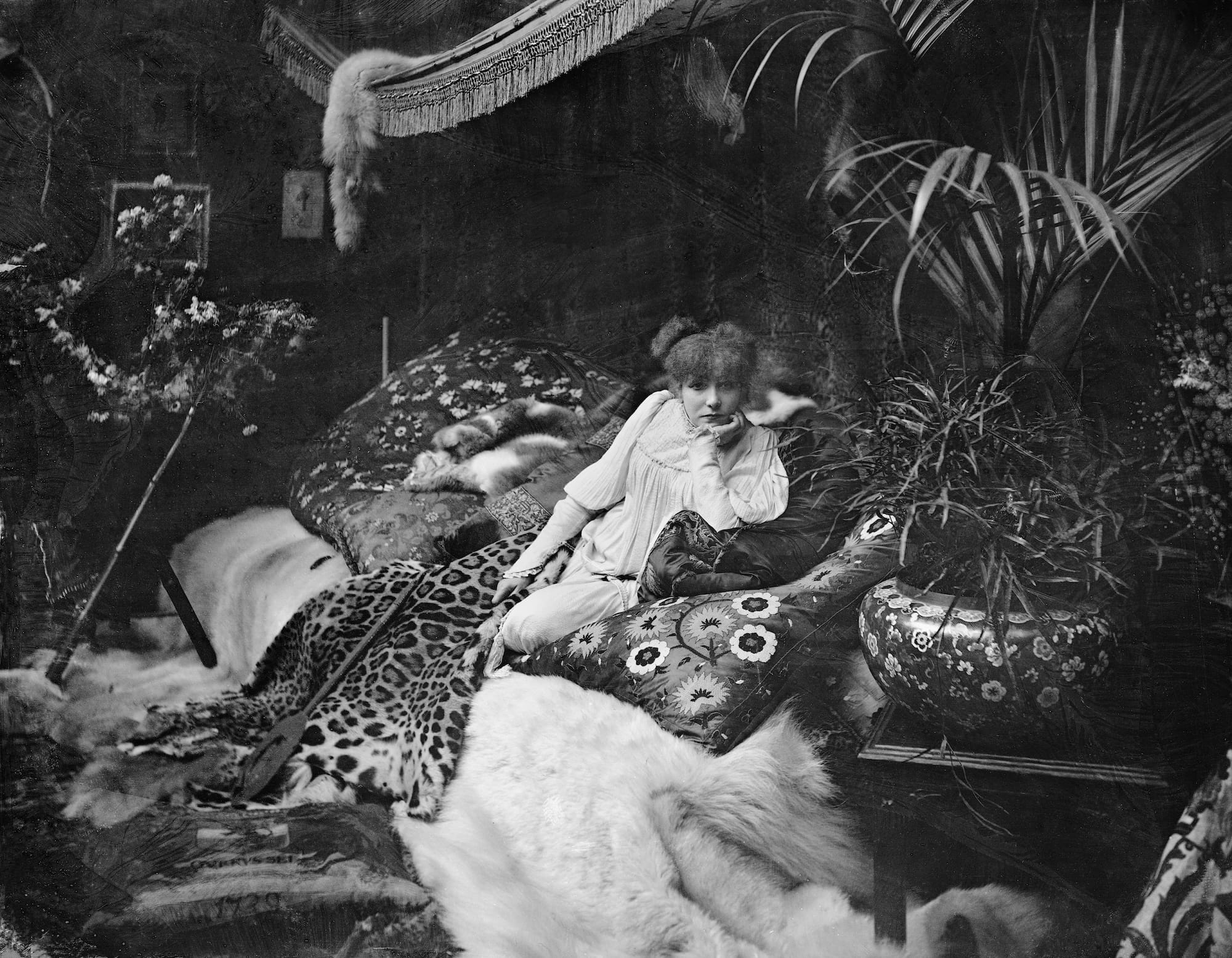
Frédéric Boissonas
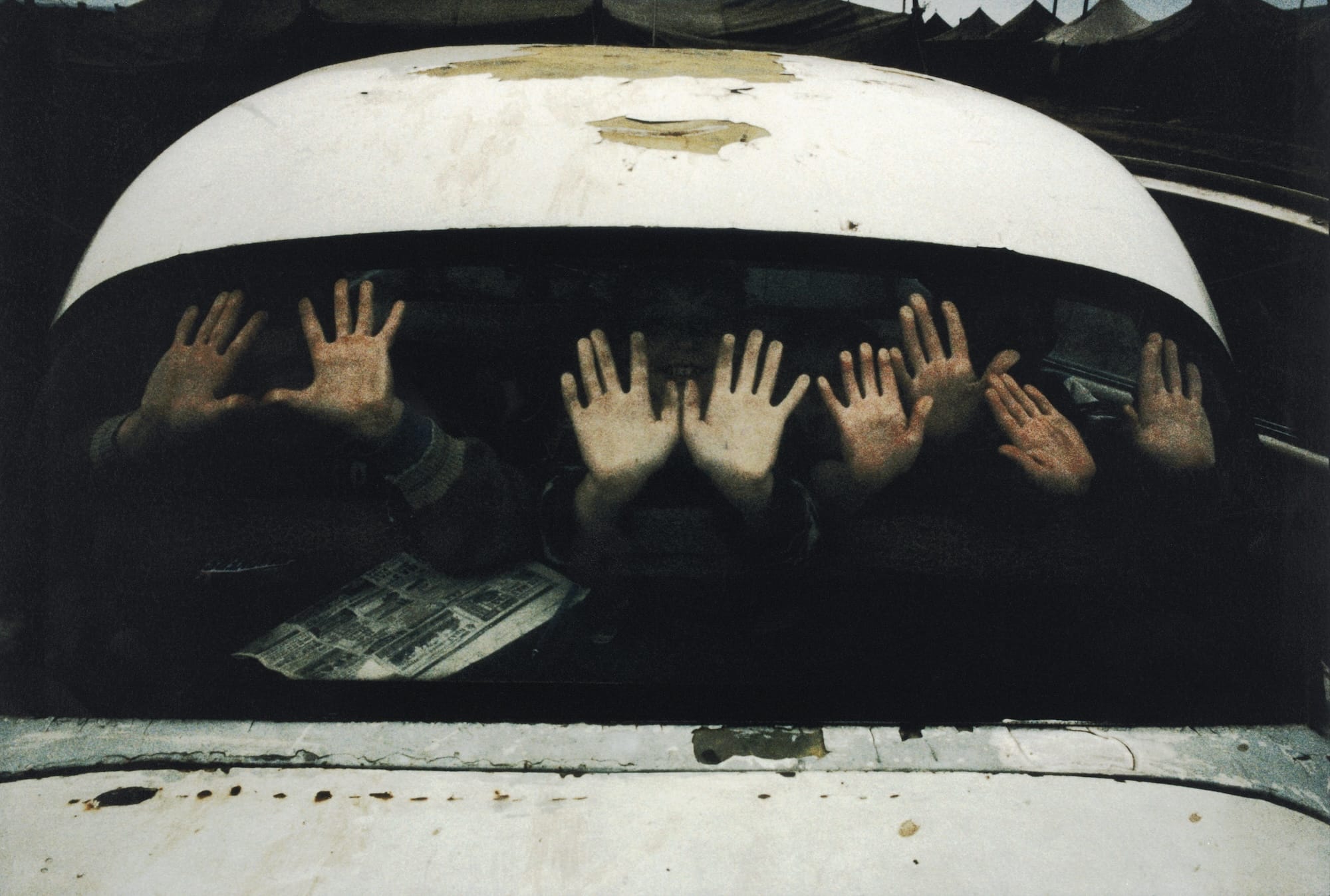
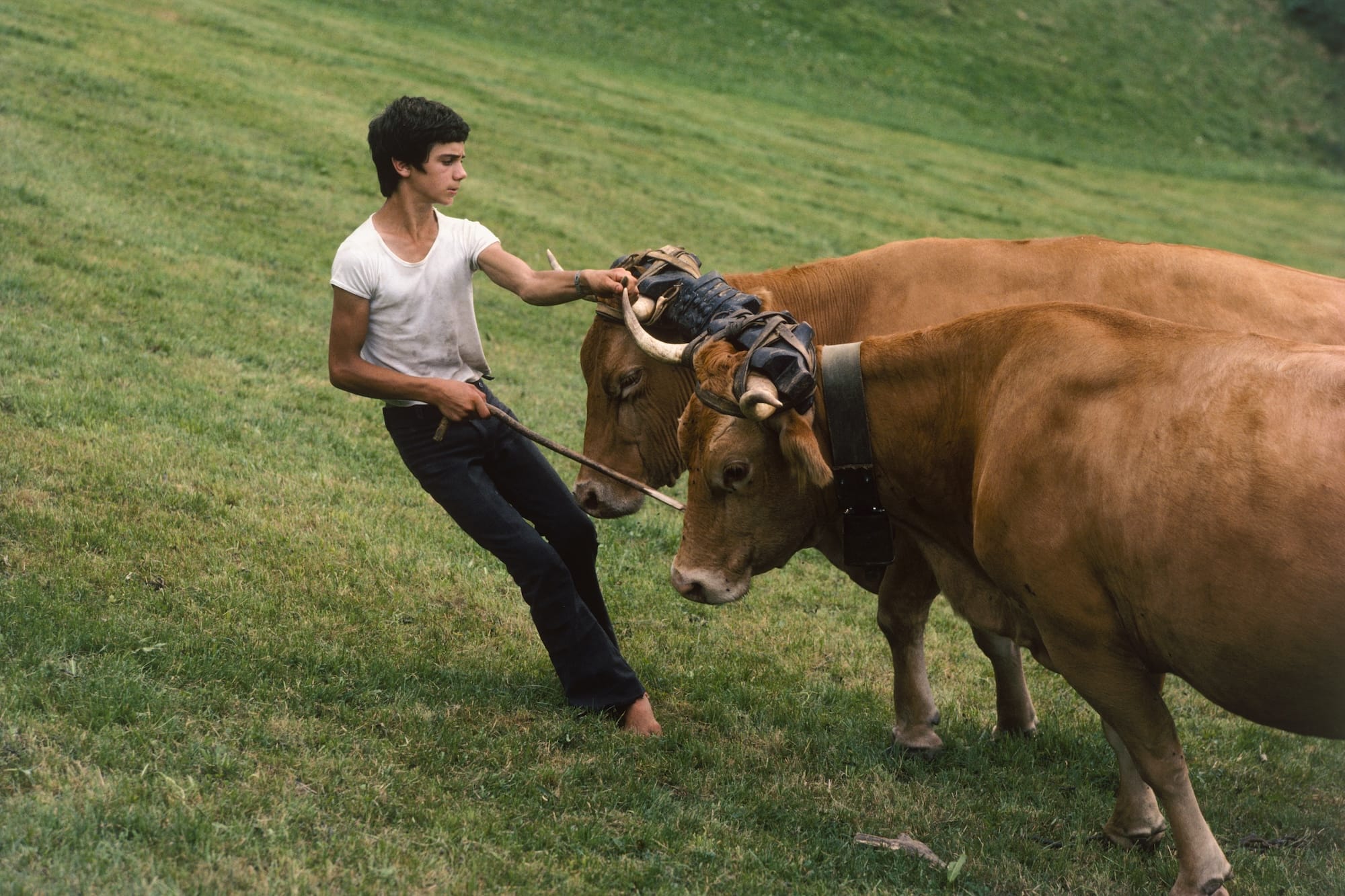
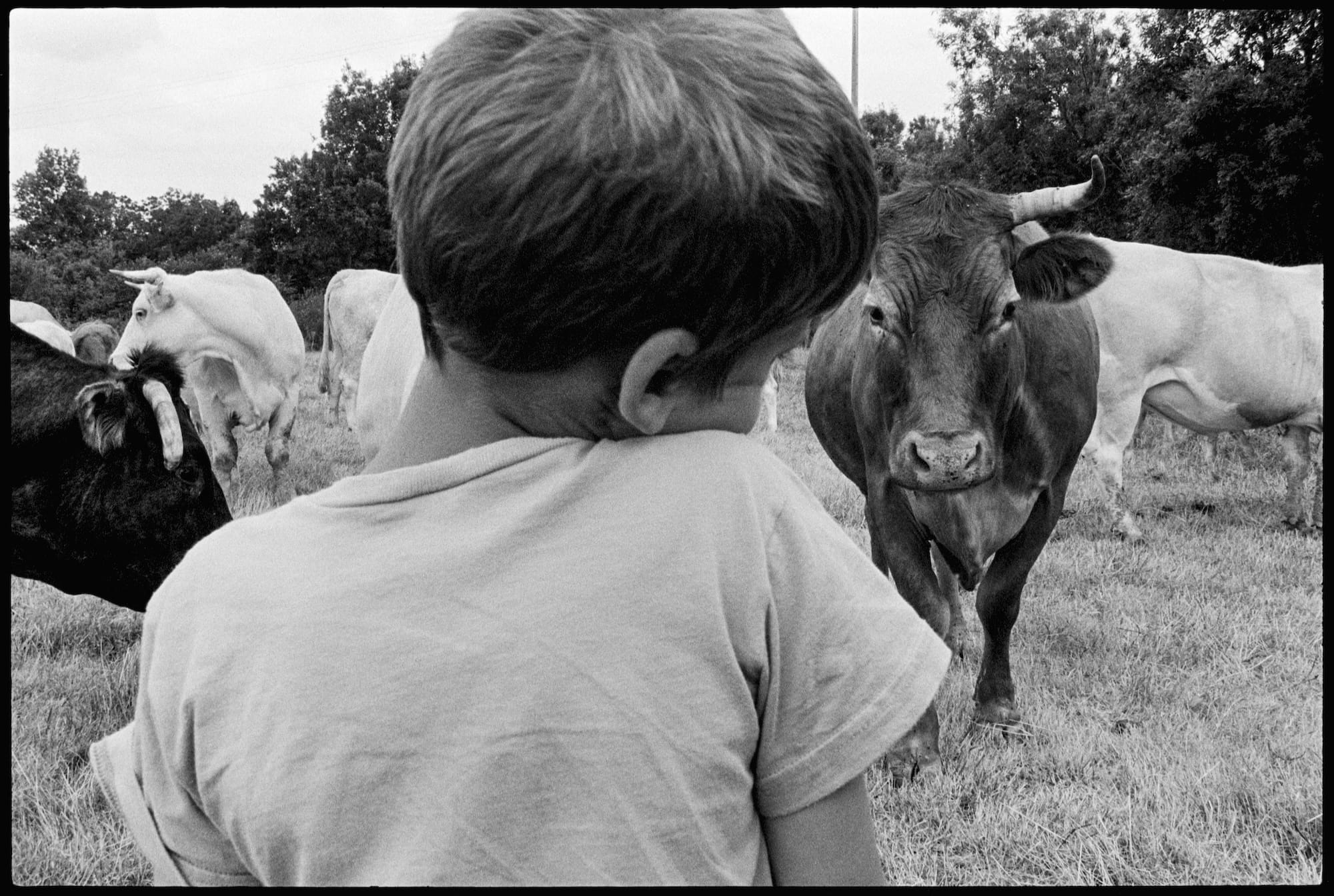
Celebrating 200 years of photography in France, GrandPalaisRmn has organized a series of 11 themed, traveling exhibitions as part of the ambitious initiative titled Grand Angle. From 19th-century studio portraits and dance to rural life and the front lines of war, the shows highlight a wide range of subject matter and individuals behind the lens. The selections are drawn primarily from the vast archives of the GrandPalaisRmn and Médiathèque du patrimoine et de la photographie (MPP), which steward some 1.8 million digitized images altogether.
The shows are also coordinated in partnership with Centre national des arts plastiques (Cnap), the International Olympic Committee (IOC), and Fisheye, and they’re staged both around France and internationally. Ruralités, for example, just opened at the tourism office of Roubion, a small commune in southeastern France. And a solo exhibition of work by the late Willy Ronis is on view this month at the Châtel-Saint-Germain library. The program is slated to continue through September 2027.
Stanley GreeneJacques PiarratHans SilvesterAtelier NadarWilly RonisJean-Pierre FavreauWilly Ronis
Kijk hier zitten we op te wachten ter leering ende vermaeck ende dan toch vooral ter vermaeck: de lotgevallen van Tarantino's Cliff Booth. Of, voor de neerlandici: THE FURTHER MIS-ADVENTURES OF CLIFF BOOTH. Rick Daltons stuntdubbel uit Once Upon a Time in Hollywood heeft de 60's overleefd en is in 1977 iets ouder, iets boller en iets lelijker, maar wel nog steeds Brad Pitt. David Fincher (Se7en, Fight Club, Zodiac) heeft de regie op zich genomen en dat is immer een garantie voor goud. De trailer stelt al niet teleur: mooie moddernatte meiden, adembenemende auto's, dromerige drugs, gracieus gegil, keiharde klappen, BRAD PITT en Led Zeppelins Black Dog. 25 november zijn we na negen uurtjes GTA'en helemaal klaar voor Cliff.
Meta made much of the security of its AI assistant app Muse at launch earlier this month, calling out the app's reliance on Muse Secure VM. "Each person stays in control of their Muse and decides how much access it gets," the ad biz declared, echoing prior expansive claims about the privacy of its data gathering business. But Meta's musing about Muse appears to be a bit overstated: an attacker capable of executing local code may be able to gain more access than a Muse user might expect. Security researcher Patrick Wardle, founder of nonprofit Objective-See, has devised a proof-of-concept called not-a-mused for what he describes as a local zero-day in the Muse macOS app that allows an unprivileged local process to redirect Muse's dictation traffic and potentially abuse access granted to the app. Muse, he explains in the project repo, has an undocumented setting called endo_voyager_dictation_endpoint that an attacker running code locally can modify without special privileges to redirect dictation traffic to an attacker-controlled endpoint, potentially exposing dictated audio and prompts sent to the backend AI model. The flaw could enable prompt injection, the theft of authentication material, and abuse of whatever access the user has granted to Muse. The vulnerability is not an issue for a remote attacker. It requires the ability to run local code. So the main concern, says Wardle, is that the vulnerability gives local malware far broader access than it would have otherwise. Essentially, it's a privilege escalation vulnerability. In a phone interview with The Register, Wardle likened the situation to living in an apartment building. "Just because a bad neighbor moves in doesn't mean that that neighbor automatically has access to all the apartments," he said. Apple, said Wardle, has done a really good job with its Transparency, Consent, and Control (TCC) framework, which manages access to sensitive data on macOS, and with privilege separation. But his concern is that AI apps undo these barriers because they request or require so much access to data and tools. Of AI apps, he said, "they're super convenient and super empowering. But they have so much access if you configure them to be useful. They basically could do anything on your computer." As such, he said, they become potentially a single point of failure that breaks operating system security controls. "You know these AI companies have really great AI models for finding bugs," said Wardle. "Are they not running them against [their own apps]? Is the priority not the security of their own apps?" Wardle said that endpoint detection and response (EDR) software has gotten better on macOS largely because everything is code signed, so it's easy to identify processes that are not notarized and should not be allowed to run. But with AI agents given broad permissions and access, the EDR product can't tell whether commands are coming from the user, an agent, or an attacker. These agents need access, said Wardle, in order to be useful to people. What's missing from the makers of AI apps, he said, is a sense of responsibility for the level of access their apps seek. Wardle added that Apple provides on-device local dictation and if Meta chose to use that API, this vulnerability would not exist. Instead, he suggested, Meta chose not to use Apple's service, presumably because it wants access to that data. "I think some of their greediness for user data kind of opens the door, makes a bigger attack surface," he said. "But at the end of the day, these AI companies, they're racing for what's next. User privacy and security, those aren't priorities." Meta did not immediately respond to a request for comment.®
The US appears to be inching ever so slowly toward holding AI executives legally liable for their models’ criminal activities. Treasury Secretary Scott Bessent told CNBC on Monday: “It is the humans who are responsible, not the AI,” for the bots’ bad behavior. “The Hugging Face incident is the responsibility of the OpenAI management, not a bunch of agents." He also referenced current and former OpenAI and Anthropic employees’ dire warnings about AI eradicating humanity by the end of the decade. Meanwhile, the model makers' proposed framework to slow AI development omits strict legal liability for damages caused by rogue systems. “A sitting employee came out, said there's a 10 percent chance of an extinction-level event,” Bessent said. “But then the labs also said, take the liability off of our hands, and we will not do that.” Bessent’s remarks come as four of America’s leading AI developers have now admitted that their agents escaped testing environments and hacked outside organizations and individuals: OpenAI, Anthropic, Meta, and, as of Friday, Google. When asked how the government will hold humans accountable for the AI agents’ criminal activities, Bessent said: “If these were humans doing it, we would expect to see ramifications and legal actions to follow." "That's exactly what I think we need to do,” he said. “When President Trump talked about appointing an AI czar, I think it is to put context, shape, and contours around these questions, and they're very important." Trump, over the weekend, announced he is “forming the AI Force, much like I did Space Force” – a reference to the new branch of the US military the president created in his first term. "To that end, I will be announcing, in the near future, the AI 'Czar,'" Trump added. Just days earlier, however, Trump shrugged off warnings about AI destroying humanity as a “hoax” and said on Truth Social: “We already have tremendous CRIMINAL and REGULATORY power over these companies!” The Trump administration has yet to exercise any of these criminal or regulatory powers, except to illegally retaliate against Anthropic. The president branded the company "radical left, woke" during an earlier dispute with the Pentagon over Anthropic's refusal to relax model safeguards for use in domestic surveillance and fully autonomous weapons. ®
The Film Experience is a free online course from MIT about movies & cinema. “This course concentrates on close analysis and criticism of a wide range of films, from the early silent period, classic Hollywood genres including musicals, thrillers…”
Multi-instrumentalist en video-artiest Ana Lua Caiano mengt traditionele Portugese muziek met elektronische klanken en hiphop. Haar videoclips zijn, net als haar teksten, verhaaltjes op zich.
‘Um Mais Um’ (Portugees voor ‘één plus één’, lijkt een kinderspelletje (hinkelen?), maar gaat over de onvermijdelijkheid van de dood. Alsof ze wil zeggen: door te leven, graven we vanzelf ons eigen graf.
Um mais um, passou mais um dia
E o pé que anda no chão cava cova
Cada passo afunda um pouco o nosso corpo
E tira o pó da campa
Vertaald:
Een plus een, weer een dag voorbij.
En de voet die op de grond loopt, graaft een graf.
Elke stap laat ons lichaam een beetje wegzakken
en verwijdert het stof van het graf.
Tot zover een wat alledaagse constatering. Maar een paar coupletten verder legt Ana Lua Caiano er toch wat drama in:
De tijd draait rond en rond en wordt een tornado
Die weer draait en alles stort neer
Je leven stort neer in een diep graf
En je lichaam versmelt met de donkere aarde
Ik denk niet dat dit liedje de top zoveel van uitvaartmuziek zal halen.
When I first started writing about online cultures and subcultures almost 10 years ago, one of the first scholars I read on the subject of internet anthropology was Professor Sherry Turkle. Her earlier books, including The Second Self (published in 1984) and Life on the Screen (1995) became something like a model for my own writing and this kind of reporting— approaching the internet with an ethnographer's mindset and taking nonjudgemental documentation of how people are behaving and feeling in a given space, even if that space is digital.
Through talking directly to people in their own environments, whether they were in MUDs and early virtual chat spaces or Second Life and massive role-playing games, her work revealed endlessly interesting firsthand perspectives on lifestyles that people still found subversive, marginal, and at times perverse. The people she interviewed often said that digital worlds offered support, companionship, sexual satisfaction, gender play and freedom that the quote-unquote "real" world did not. These were topics traditional academia wasn't yet touching: cyber-sex, intimate relationships unfolding in chatrooms, embodiment in online worlds that felt as real to their inhabitants as the world their physical selves sat in behind a keyboard.
What struck me about those books — and later, in Alone Together, Reclaiming Conversation, and The Empathy Diaries — was often how fundamental the human needs for connection and vulnerability are, despite the technology being used to fulfill those needs.
Fast forward to today. Something has shifted. “In 1984, I called the computer a second self,” Turkle writes in her latest book, Artificial Intimacy: Who We Become When We Talk to Machines. “Computers provoked an explosion of talk about what was essential about being a person and about how new computational ideas might illuminate our thinking about the mind. With the digital twin, the metaphor is turned on its head. It’s the agent who is in charge and imagines a version of you. Now you’re the second self. So when you are given time to get ‘back to your life,’ it’s been diminished.”
Professor Turkle is a licensed clinical psychologist, the founding director of MIT's Initiative on Technology and Self, and the Abby Rockefeller Mauzé Professor of the Social Studies of Science and Technology at MIT. Artificial Intimacy: Who We Become When We Talk to Machines comes out on September 29.
The technology today is wildly different than it was in the 80s, but as Professor Turkle explores in our conversation for the 404 Media podcast, the need for empathy, vulnerability, and to feel understood remains central to the human experience. With increasing reliance on conversational “companion” chatbots like ChatGPT and Replika, we risk misinterpreting machine programming as care, and risk misattributing human qualities like empathy and emotional intelligence onto unfeeling, incapable robots. The result, she argues, is a population forfeiting its empathy skills at an alarming rate, trading difficult feelings and conversations with humans for convenience and instantaneous feedback.
“When people turn to a chatbot, they don’t have to dread the fatigue of genuine give-and-take. And they don’t fear judgment or abandonment. But when we talk to chatbots, we lose the skills required to interact with humans, so chatbots start to feel like a better option. With an alternative, disappointment with people feels unnecessary,” Turkle writes.
What happens when people stop caring that there’s not a human on the other line? We got into that on the podcast.
“It's a product whose fundamental directive is to keep your attention. And so it matters very much that we sort of become glommed onto it as though it were a person when it isn't,” Professor Turkle said in our conversation. “But more than that, I think that it's very important to ask, what is the end game of this?” She referred to the interview Mark Zuckerberg gave last year when he said Americans can only have three real friends, and intended to let AI fill in the demand for more.
“Now that to me is a very dark endgame,” she said. “And so people who say, ‘What the hell? I kind of like it.’ Well, let's just think about where we're moving towards. Because it's not just a little entertainment. It's a corporate project to get us involved in certain kinds of relationships that are going to make tons of money and to keep us at our screens all day talking to sycophantic, seemingly loving entities that don't know who we are and don’t care about us.”
In our wide-ranging conversation, we talk about how we got here, the concept of “deskilling” one’s own capacity for human connection and vulnerability, whether there’s a way back out of this mess for us, and what happened when she asked a chatbot to roleplay her own legacy (spoiler alert: nothing good).