Video app was punished by UK watchdog for failing to enforce minimum age limit and remove underage users
TikTok will pay a £12.7m fine to the UK’s data watchdog after dropping an appeal against a ruling that it did not do enough to keep children below the age of 13 off the platform.
(4AD/Remote Control Records) The Australian musician’s fourth album blends mystery and intimacy with luscious pop-rock, bright, upbeat jangle and stripped-back acoustics
Julia Jacklin is an artist of dualities. Over her decade-plus career, the Melbourne singer-songwriter has examined the question of how to be both vulnerable but protected, spiritual but grounded.
Her second studio album and commercial breakthrough, 2019’s Crushing, introduced her to an international audience as an introspective storyteller. Rich in detail, Crushing delivered tales of heartbreak and betrayal with a kind of quiet impassivity, setting the scene for her own duality as an artist – at once open and reserved.
At 400-plus pages, Moriarty’s follow-up is too long and offers too little reward, with menopause, vaping teens and even a stalker failing to raise the stakes
Liane Moriarty’s Big Little Lies was such a runaway success – debuting at No 1 on the New York Times bestseller list and adapted for a television miniseries starring Reese Witherspoon, Nicole Kidman and Zoë Kravitz – that she always had her work cut out for her if she was to return the fluctuating narrative back to the page. Recognising this hurdle, Moriarty opens the sequel (her first) with a note to readers that details the way the new novel both responds to its TV adaptation – by making Laura Dern’s Renata and Meryl Streep’s Mary-Louise more central characters – and returns readers to the original landscape, the fictional Pirriwee Peninsula along Sydney’s northern beaches.
Moriarty immediately situates the reader back in Australia: a magpie swoops “like a missile” at an unsuspecting cyclist against a backdrop of “bright yellow native wattle” and “lush-purple” jacarandas. Time has passed, in both the real and fictional world. It has been 12 years since the 2014 publication of Big Little Lies, and the sweet kindergarteners at the heart of the original are teenagers now, with mothers in the midst of menopause. The idyllic setting is shattered when a severed human finger is posted to the local high school, setting the scene for a sequel packed with all the intrigue, drama and suspense of the first.
I love my life in so many ways. I have a rewarding job, I’m making stellar progress towards a graduate degree, I have incredible friends and community, plus I’m even reconnecting with estranged family. My cup is very full but I still feel grief and shame for how much falls to the wayside.
I have missed countless doctors’ appointments. My vehicle’s license plates have been expired for almost a year. I often apologise to angry friends and acquaintances after they confront me for not seeing them in months. My significant other says she doesn’t see me enough. So do my parents. I clock out of work and shudder at the thought of facing my growing avalanche of text messages. I panic whenever I receive an email that demands I arrange yet another appointment or submit to a lengthy phone call. The stack of forms I’m overdue to submit makes me feel so irresponsible, as if I’m the only adult alive who can’t seem to take care of business.
The mid-autumn festival, also known as the moon festival, is a celebration of harvest and family in Chinese culture – a time to gather with relatives and friends under a full moon. During the festival, people eat mooncakes – a rich round pastry that symbolises wholeness – and display lanterns: beacons that light the path towards prosperity and good luck.
It is held on the 15th day of the eighth month of the Chinese calendar, when the moon is believed to be at its fullest and brightest, coinciding with the harvest in the middle of autumn. In 2026, it will be held on Friday 25 September
Centenarian accused of being accessory to multiple murders at Stalag 326 VI K in west Germany, as judiciary race to prosecute suspects before they die
A 105-year-old man is under investigation on suspicion of being an accessory to multiple murders at a Nazi prisoner of war camp, German prosecutors have said.
The case, which is being handled by the public prosecutor’s office in Dortmund, centres on the Stalag 326 VI K camp in western Germany, in what is now the state of North Rhine-Westphalia.
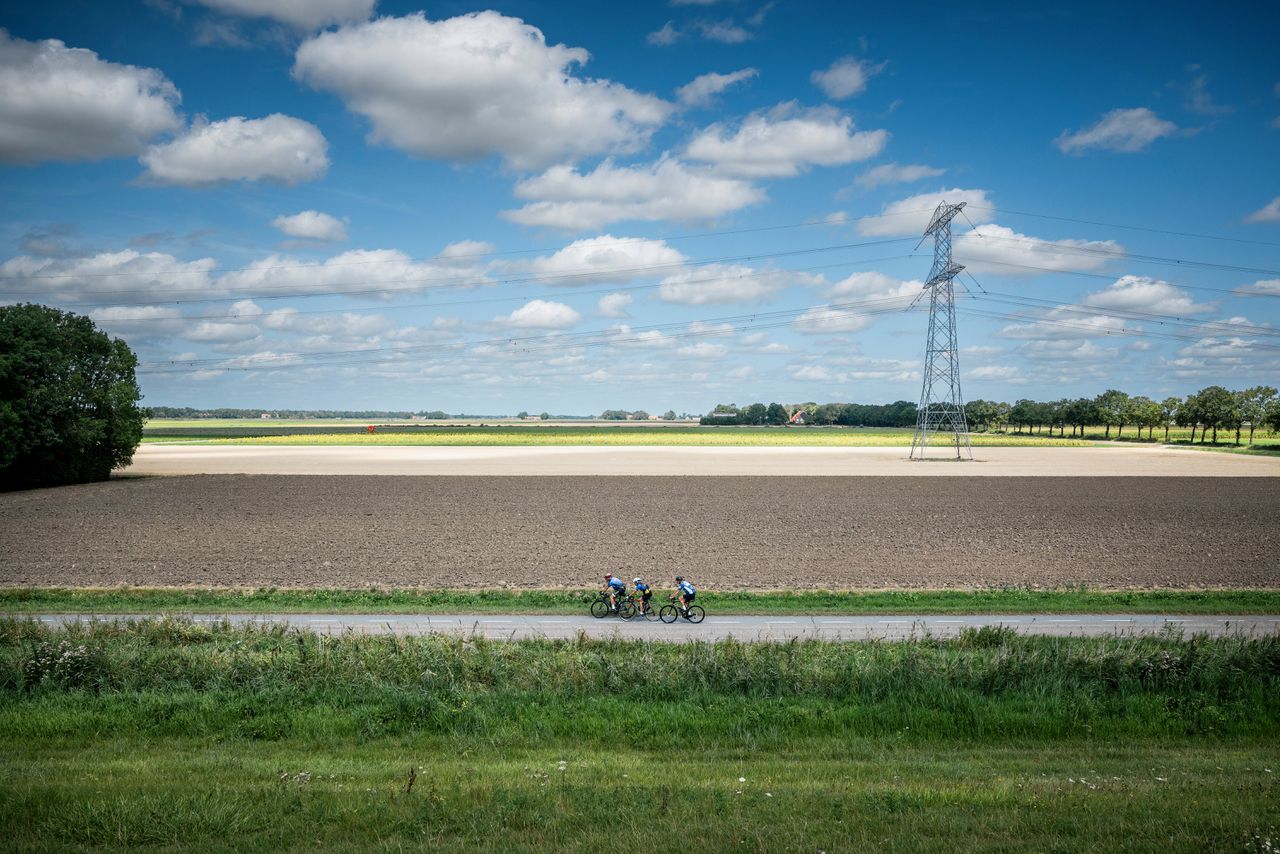
Kees Stavenuiter (73) fietste al 1.381 keer rond het IJsselmeer, een route van 200 kilometer waar vakantiegangers vaak een week over doen. Kees rijdt het in een dag, weer of geen weer. „Bij het duizendste rondje hadden ze me opgewacht met gebak.”
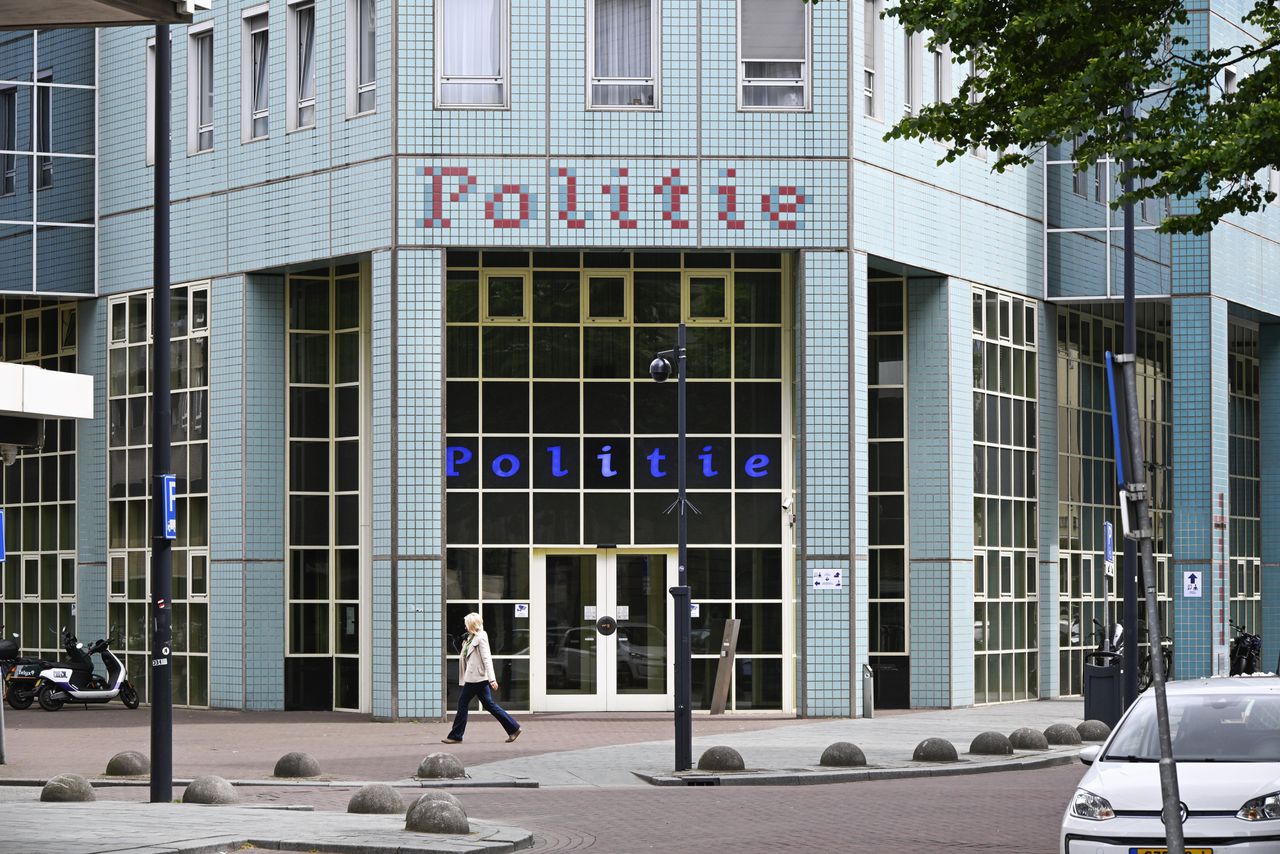
Met de sluiting van drie van de zes cellencomplexen van de Rotterdamse politie gaan de aanrijtijden voor het vervoeren van verdachten omhoog. De politiechef zegt daar meer ‘blauw’ op straat voor terug te krijgen. „Een dronken iemand hoef je niet meteen aan te houden.”
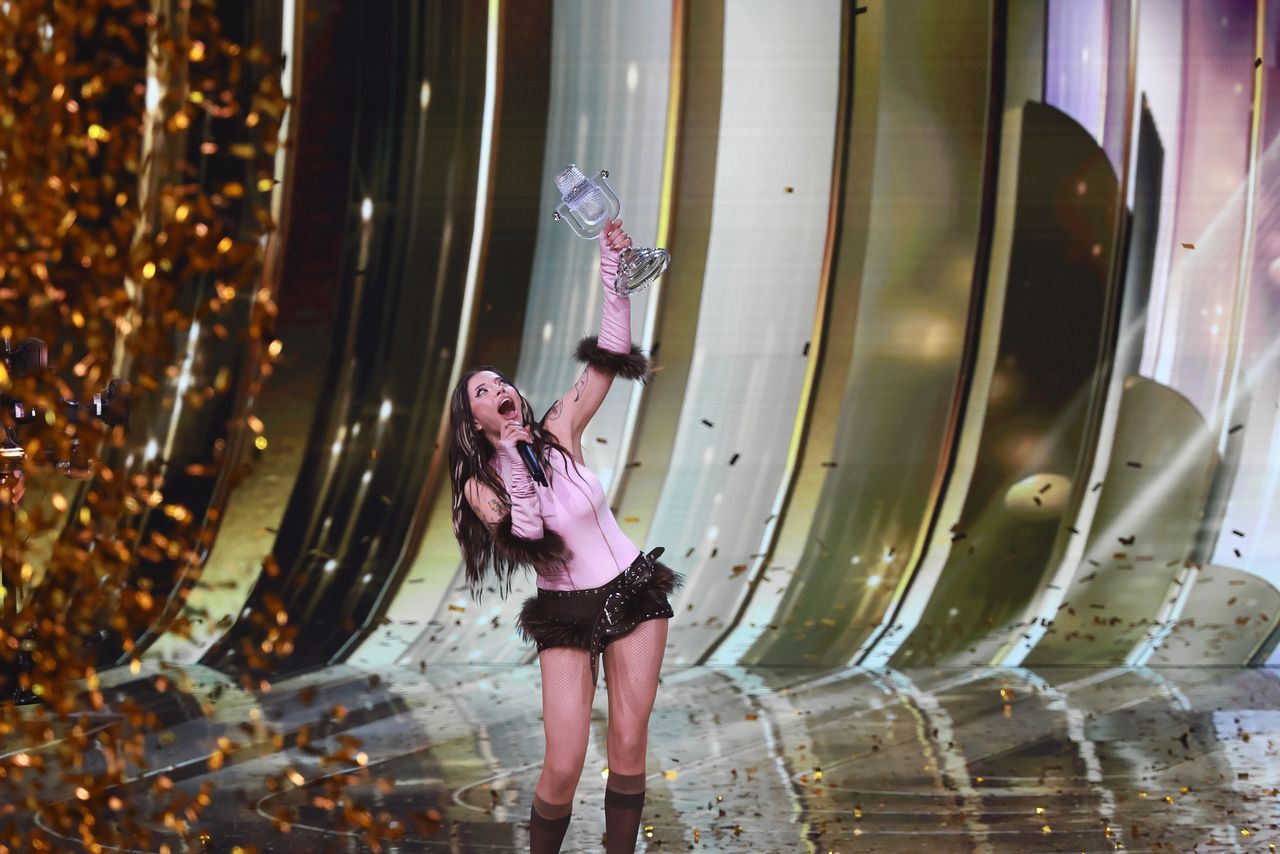
De keuze van de NPO om in 2027 een Nederlandse artiest naar het Songfestival te sturen, maakt veel los. Er zijn nog veel vragen over de invulling. „We hebben er vertrouwen in dat het tijdig lukt om een kandidaat te vinden die ons land vertegenwoordigt in Burgas.”
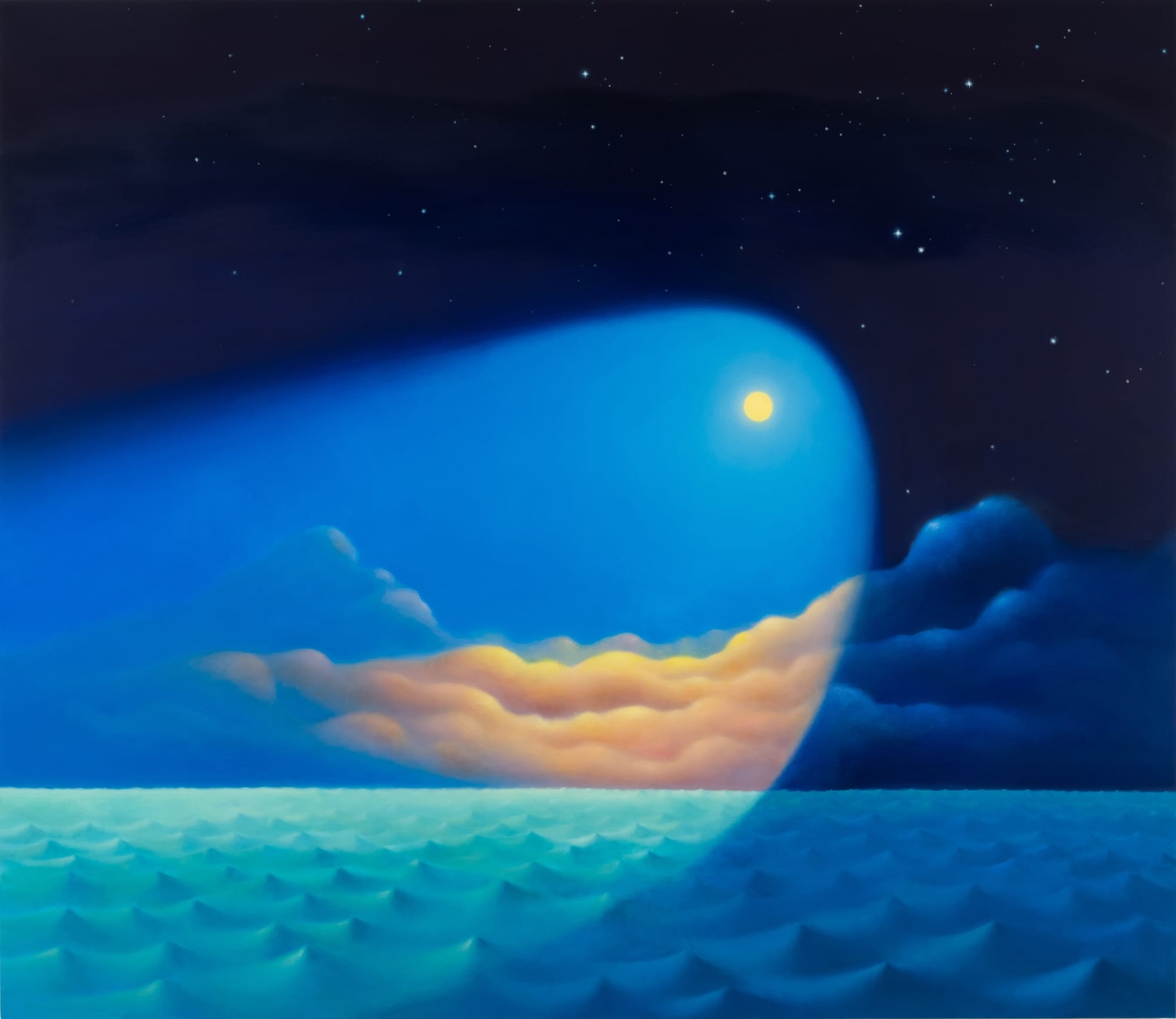
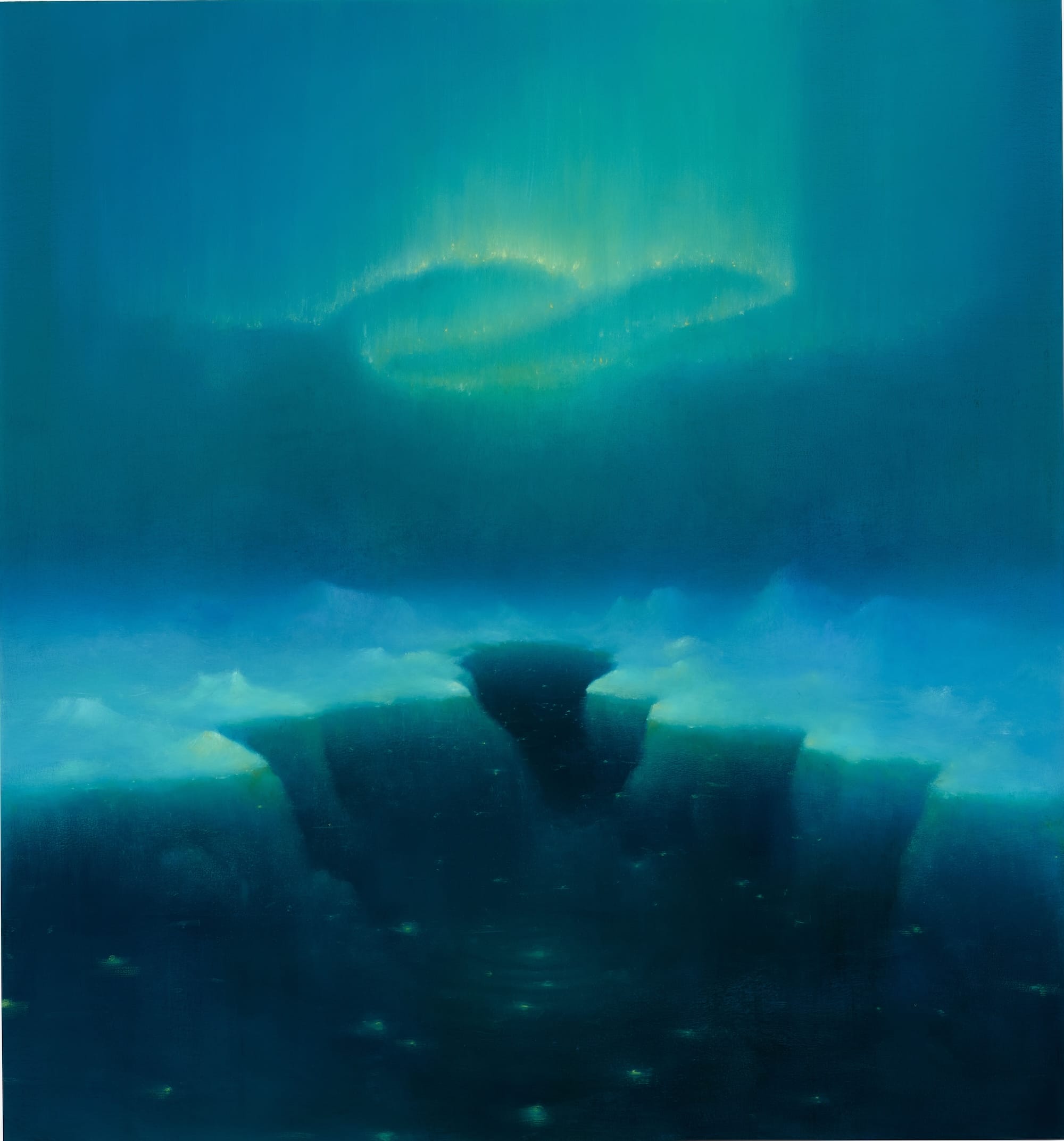
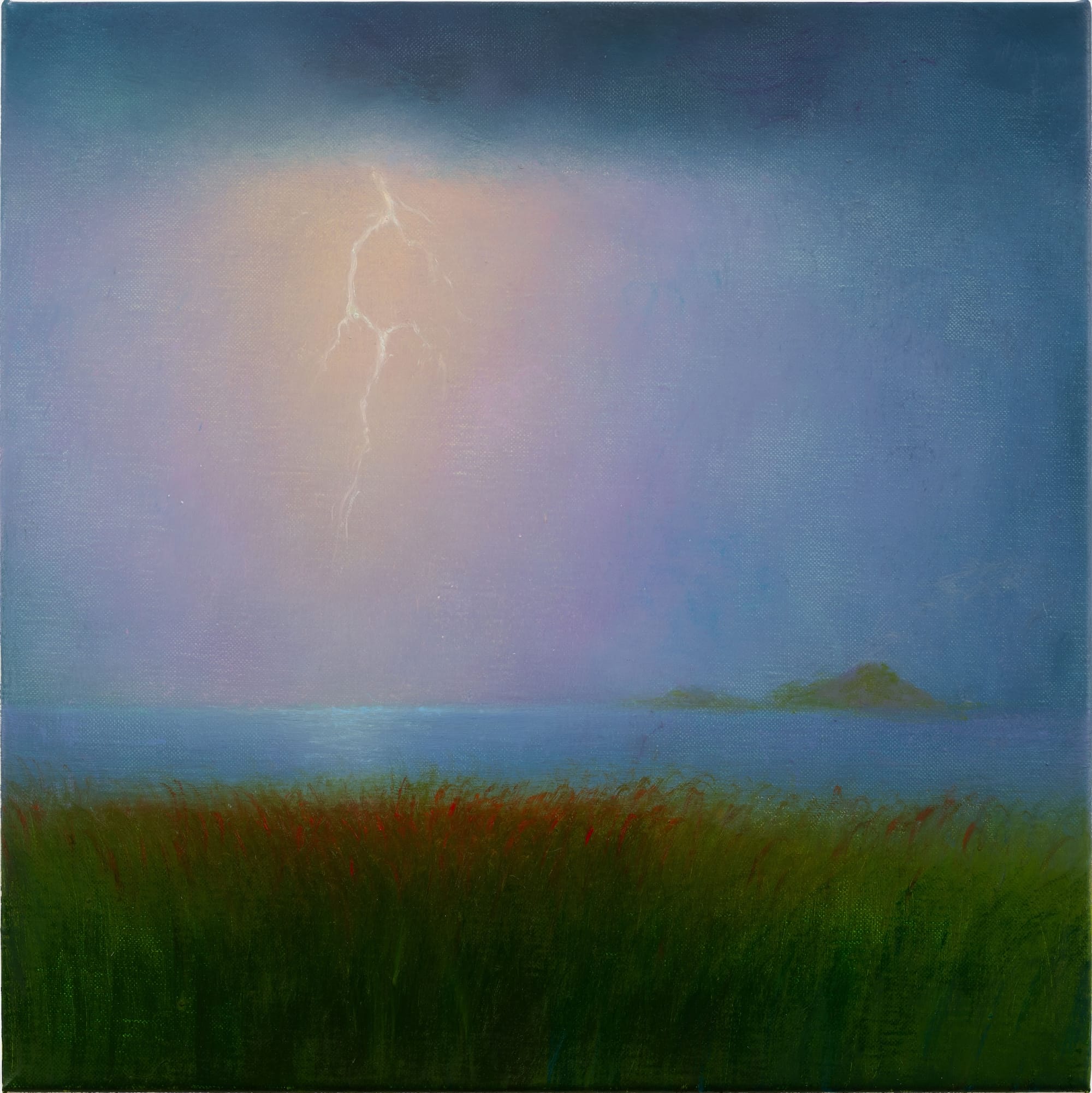
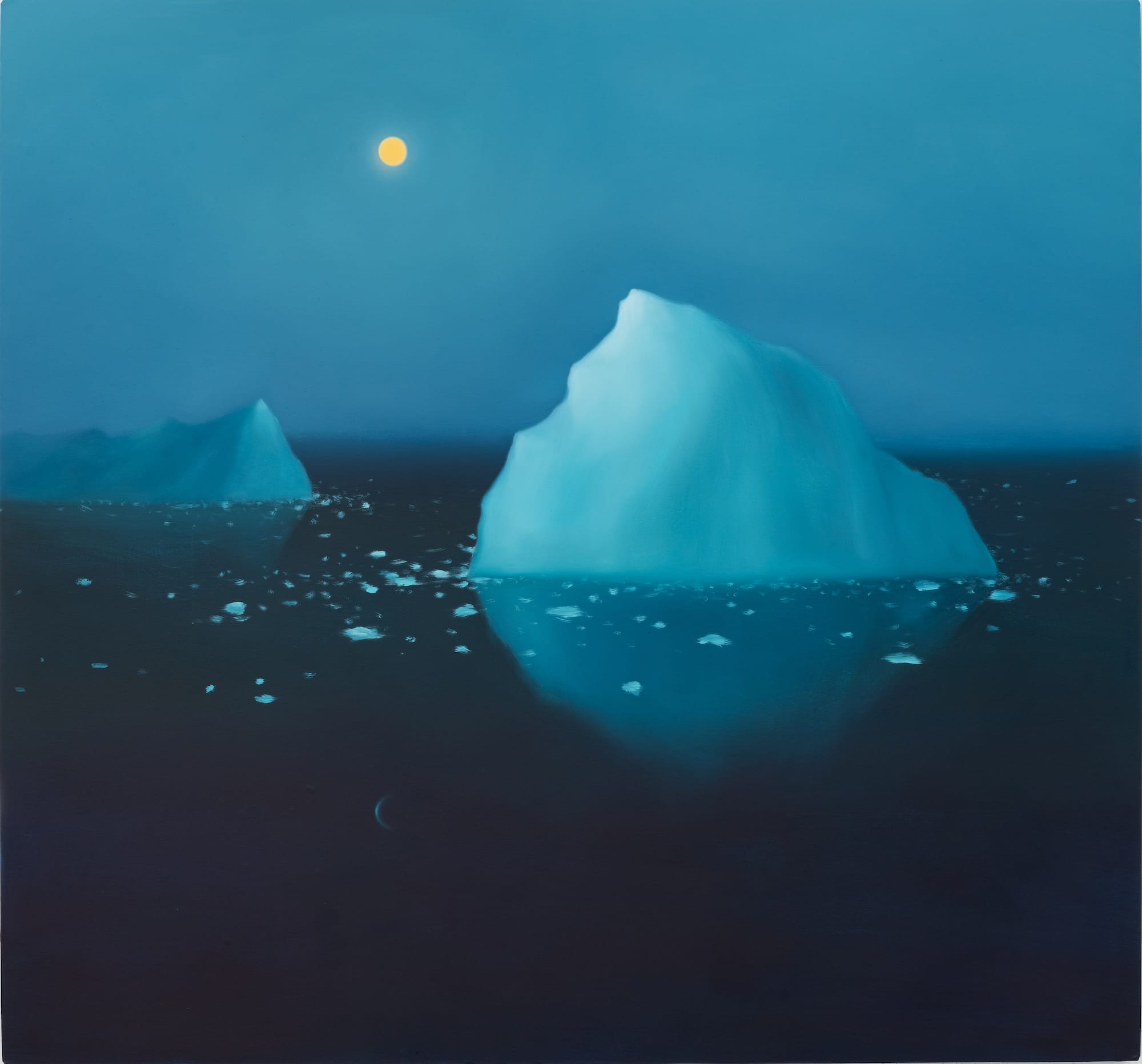
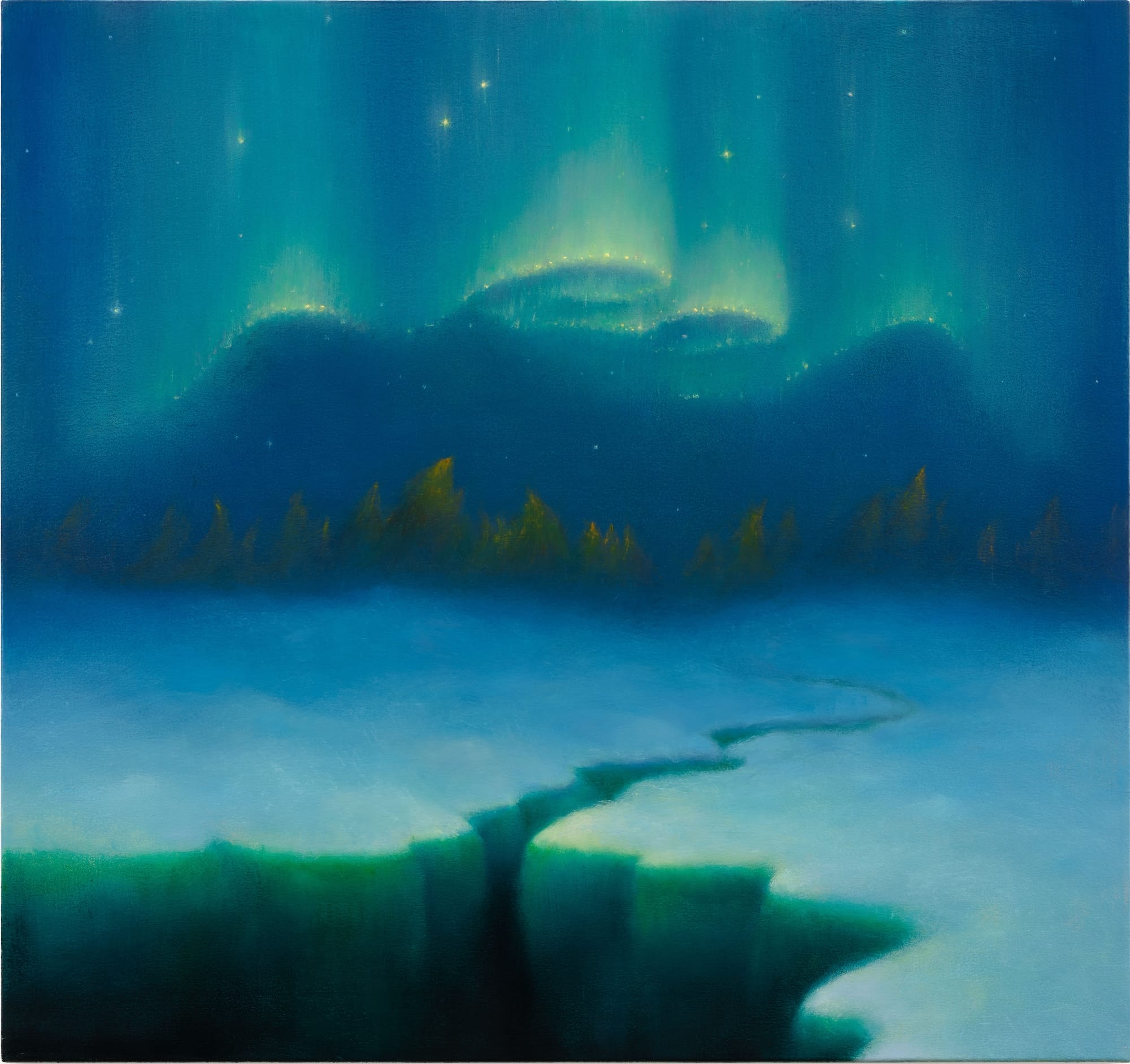
Delicate waves, mysterious fissures, and diffused lightning set some of the scenes in Sarah Lee’s dreamy landscape paintings. Moons with strangely direct beams of light and supple mountains cradled by lakes and forests are tinged with magical realism. Most of the works seen here are part of Lee’s current solo exhibition titled Deeper at Albertz Benda, in which the artist highlights different ecosystems and the nature of clarity and concealment. She often titles her works in reference to the colors she employs, such as “Emerald Sky” and “Red Meadow in Mist.”
These apparently “empty” landscapes nod to the romantic Western tradition of seascapes and broad, open expanses that pandered to a problematic colonialist mindset, such as that of Manifest Destiny. John O’Sullivan, who coined the term, wrote that Americans possessed the fundamental right to “to overspread and to possess the whole of the continent which Providence has given us…” In Lee’s oil paintings, a gallery statement says, “the landscape pushes back.”
“Emerald Sky” (2026), oil on canvas, 56 x 52 1/4 inches
In the misty, fuzzy edges of glaciers, glowing skies, and mountain peaks, the artist imbues a nuanced sense of the uncanny. “There is a distinct feeling that more is hidden in the scene than what meets the eye: in the recesses of the water, underneath the ice, obscured by an outcropping of coral,” the gallery says. The light perhaps shines a little too brightly or a gap opens up ominously in a field of ice. “Before Dark” draws our attention to the serene surface of a lake, and what we can see is beautiful, yet one wonders if we’re witnessing the calm before the storm.
Lee harnesses the power of the unknown, examining the way nature both nourishes us and is the ultimate authority. Humans need clean water, food, and fresh air, and we rely on these things even as our collective actions cause the environment harm along with, paradoxically, ourselves. The artist’s paintings provide a kind of filter through which to see this contradiction, as the land and water are elements we fundamentally rely on but cannot control.
Deeper continues through October 10 in New York. See more on the artist’s Instagram.
“Before Dark” (2026), oil on canvas, 70 x 80 inches“Red Meadow in Mist” (2026), oil on canvas, 13 x 13 inches“The Umber Sea” (2026), oil on canvas, 70 x 60 inches“Golden Hour” (2026), oil on canvas, 14 x 15 inches“Glacier” (2024), oil on linen, 52 x 56 inches“Path to the Forest” (2026), oil on canvas, 34 x 36 inches
How to rescue an orphaned baby elephant. “The baby elephant needs a mother to run to. And the fact is that the mother is a 30-year-old Nigerian man right now.”
De democratie is in gevaar, we moeten weerbaarder worden, extreemrechts komt voor uw kinderen, vijf voor twaalf, etc. Dat hoort u steeds vaker, en niet in de laatste plaats van onduidelijke stichtingen met onduidelijke financieringen en onduidelijke werkwijzen. Elsevier deed onderzoek naar deze stichtingen en concludeert dat clubs als Justice for Prosperity 'ongefundeerde bangmakerij' de wereld in slingeren.
Bij JfP staat Jelle Postma aan het roer. Jelle is een ijdele talkshowplucheplakker van wie iedereen met gezond verstand snapt dat je daar niet naar moet luisteren, oftewel de ideale talkshowgast. Een stuiver in het hobbelpaard en het begint te stamelen over extreemrechtse groeperingen en politici die bij demonstraties aanwezig zouden zijn geweest. Een glad hoofd met niet zo gladde praatjes. Het blijft helaasjammerdebammer niet bij gestotter aan talkshowtafels. Binnenlandse Zaken heeft Jelle betaald voor een onderzoek en D66-Kamerlid Joost Sneller baseert zich bij het aanvragen van debatten op de rapporten van Jelle.
Daar heeft BBB-opperhoofd Vermeer dan weer vragen over gesteld aan BZK-minister Heerma. De vragen gingen niet alleen over de kwaliteit van de onderzoeken; ook het toezicht op deze clubs en de financiering achter dit soort clubs verdienen uitleg. En hee. Heerma heeft toegezegd ernaar te kijken. Wij zijn: benieuwd.
Eh. Hm. Nou. Eh. Ja. Ga ik nu niet zeggen.
Draadje over wankel fundament
🧵 Onderzoeksplatform Justice for Prosperity (JfP) publiceerde op 4 september 2026 onderstaand artikel waarin het onder andere schreef:
"Ruim 50 maal versterkte Ongehoord Nederland (NPO) de afgelopen maanden de propaganda van de Russische ambassade." pic.twitter.com/bvnAfM0aIG
EVENT: HPE and NVIDIA are sending their AI infrastructure leads to a dinner table in Washington where nothing said is on the record. The Register is hosting, our editor-in-chief Matt Rosoff takes the chair, and there is one table, on Thursday 29 October. Most AI programs in regulated industries do not stall on the model. They stall on where the data lives, who can reach it, and what an auditor will accept as evidence a year from now. Sovereignty is not one requirement either: what can leave a jurisdiction and what can leave the building are different questions with different owners. The proprietary data that makes an AI system worth building is the same data that makes it a risk to build, and the boundary drawn around a pilot quietly becomes the boundary around production. Those calls get made on what people will tell you in private. What a bank had to rebuild. What a hospital group's legal team refused to sign. Which sovereign option somebody paid for and would not buy again. None of that gets said on a recorded webinar, or in a briefing with a deck. So this is neither. Chatham House Rule, three questions, dinner, no slides. Everyone at the table is there as a peer, the vendors included, and the chair's job includes redirecting anyone who starts to pitch. On the table: which infrastructure options actually hold a boundary, what each one costs in capital, in capability or in elasticity, and whether any of it survives the move from first planning to running operations. HPE sends Thierry Pienaar, HPE Fellow and Chief Technology Officer for HPC and AI Worldwide Sales. NVIDIA sends Bert Condensa, Vice President for Enterprise AI Factory Segment Sales. They are there to answer, not to present. The table is for technology, data and risk leaders in healthcare, financial services, research, pharmaceuticals, government and higher education who are making these decisions now rather than next year. Dinner runs from 6.00pm to 8.30pm at Fiola Mare. Places are limited and go by invitation. Request one here. Government and public sector guests: where your agency's ethics rules require it, you can pay your own share and we will provide a receipt. Please say so when you request an invitation.