Bisschop Christopher Saunders pleegde jarenlang misbruik in geïsoleerde Aboriginal-gemeenschappen in zijn bisdom in West-Australië. Uit angst en wantrouwen jegens de autoriteiten zwegen zijn slachtoffers jarenlang.
/s3/static.nrc.nl/wp-content/uploads/2026/10/07110222/071026BUI_2037268695_1.jpg)
Als voormalig economisch veiligheidsadviseur van Joe Biden en als topeconoom bij vermogensbeheerder BlackRock kent Mike Pyle zowel de wereld van overheden als van private beleggers van binnenuit. „Er zijn voor Europa meer mogelijkheden dan vaak gedacht wordt.”
/s3/static.nrc.nl/wp-content/uploads/2026/10/07152712/071026ECO_2035838161_pyle.jpg)
/s3/static.nrc.nl/wp-content/uploads/2026/10/07133845/071026DEN_2037281586_sociaal1.jpg)
Cemil Tugay joins ruling AKP after vowing he would never switch sides in boost for Turkish president
The mayor of Izmir, Turkey’s third city and an opposition stronghold, has defected to the ruling AKP in a move hailed by Recep Tayyip Erdoğan, the Turkish president.
Turkey’s opposition is battling an increasingly intense crackdown, with a barrage of what observers say are politically motivated arrests and lawsuits targeting its mayors and elected officials.
Continue reading...The triple release of The Social Reckoning, Musk and Artificial is less a clear political stance, more like movie studio opportunism
Hollywood is sending a clear message: it’s a friend of tech. Netflix is no longer a lone disruptor: historic studio MGM is now the property of Amazon’s Jeff Bezos; David Ellison’s takeover of Paramount and subsequent Warner Bros merger was supported by his tech giant father; and Apple TV has acted as a patron for multiple film-maker passion projects. Everyone, including trendy auteur-factory A24, is tying themselves financially to AI.
The enormous pull of the tech industry – including its many trillions of dollars, oversized influence on politics and heavily pushed algorithms and AI products – means Hollywood is not alone in courting its wealth, but it has intensified the historic tension between art and commerce in the entertainment business. Technology that augments the human experience may be a compelling narrative subject, but this year brings a trio of films about the gurus responsible for the industry’s false promises.
Continue reading...‘Trampoline effect’ can make some feel unwell
German club ‘regret the unavoidable measures’
The German club Bochum have banned their supporters from jumping up and down in unison in part of their stadium as the movement of the stand makes some spectators feel unwell.
Engineers investigated the structure as part of a Ruhrstadion upgrade plan and cleared its load-carrying capacity. Their report, however, also highlighted the fact that synchronised jumping during matches created what they called a “trampoline effect” in the stand that could trigger discomfort among those who are not used to it.
Continue reading...DEN HAAG (ANP) - Regionale ziekenhuizen hebben de afgelopen jaren niet meer planbare zorg kunnen aanbieden, terwijl hier wel afspraken over waren, zei minister Sophie Hermans (Volksgezondheid) in een debat in de Tweede Kamer. Hoogcomplexe zorg wordt wel steeds vaker samengebracht in ziekenhuizen met meer specialisten.
In het Integraal Zorgakkoord (IZA) uit 2022 is afgesproken dat lastige behandelingen meer terechtkomen bij ziekenhuizen met meer specialistische kennis, terwijl eenvoudige zorg zoals het stellen van diagnoses weer vaker in regionale ziekenhuizen moet kunnen. "Er moet een been bijgetrokken worden", zei de VVD-minister.
In de Kamer waren hier zorgen over. Ingrid Coenradie (JA21) vroeg zich af of het verspreiden van eenvoudige zorg nog wel gaat gebeuren. Zij denkt dat de ziekenhuizen en de zorgverzekeraars er meer aan verdienen als het in de grote ziekenhuizen blijft. Ziekenhuizen krijgen betaald per behandeling, dus voor grote ziekenhuizen kost het geld om planbare zorg te verplaatsen.
ŠENČUR (ANP) - Wielrenster Marlen Reusser is voor de vijfde keer in haar carrière Europees kampioen tijdrijden geworden. De Zwitserse wereldkampioene tijdrijden was in Slovenië 23 seconden sneller dan Demi Vollering, de wereldkampioene op de weg. Juliette Berthet uit Frankrijk, ploeggenote van Vollering bij FDJ United-Suez, werd derde op 1.09 minuut. De andere Nederlandse deelnemer, Lieke Nooijen, werd tiende op 2.40 minuten van de winnares.
Reusser pakte op het klimmetje in het eerste deel van het 22,1 kilometer lange parcours een voorsprong van 11 seconden op Vollering. In de afdaling en in de vlakke laatste kilometers bouwde ze de voorsprong verder uit.
Vollering haalde de Duitse Franziska Koch, haar ploeggenoot bij FDJ, al in op het klimmetje in aanloop naar het eerste tussenpunt. Maar ze moest haar meerdere erkennen in de als laatste gestarte Reusser.
Regerend wereldkampioen
De Zwitserse won de EK-tijdrit vier keer eerder, waaronder in 2025. Ze is ook tweevoudig regerend wereldkampioen op de tijdritfiets. Vollering prolongeerde in Slovenië haar Europese titel op de weg. De Europese titel tijdrijden won ze nog nooit.
De tijdrit op de Europese kampioenschappen was de laatste wedstrijd van Vollering in een uitzonderlijk goed seizoen, waarin ze bijna overal waar ze aan de start stond won. De kopvrouw van FDJ United-Suez won de Giro d'Italia en de Tour de France, evenals vier klassiekers, waaronder de zogenoemde 'monumenten' Ronde van Vlaanderen en Luik-Bastenaken-Luik. Eind september werd ze in het Canadese Montreal voor het eerst in haar carrière wereldkampioen op de weg, en zaterdag verdedigde ze haar Europese titel met succes in Slovenië.
NEW YORK (ANP) - De aandelenbeurzen in New York zijn woensdag lager aan de handel begonnen. Daarmee werd een stapje teruggedaan op Wall Street na de nieuwe records door de brede S&P 500-index en de technologiebeurs Nasdaq een dag eerder. De techfondsen gaven daarbij terrein prijs. Later op de dag komen nog de notulen van het rentebesluit van de Amerikaanse centrale bank van vorige maand.
De S&P 500 noteerde kort na aanvang 0,4 procent lager op 7785 punten. De index met de vijfhonderd grootste beursgenoteerde bedrijven in de Verenigde Staten steeg dinsdag nog 0,6 procent en sloot voor het eerst boven de 7800 punten. De Nasdaq daalde in de vroege handel 0,6 procent tot 27.428 punten, na de plus van 0,5 procent op dinsdag. De Dow-Jonesindex verloor 0,7 procent tot 51.118 punten.
BRUSSEL (ANP) - De ambassadeurs van de EU-lidstaten hebben woensdag een akkoord bereikt over EU-sancties tegen 1646 mensen en bedrijven of instellingen die de Russische oorlog tegen Oekraïne steunen. De EU-ministers van Buitenlandse Zaken keuren de lijst maandag formeel goed. Het is de omvangrijkste uitbreiding van de sanctielijst sinds het begin van de oorlog in Oekraïne.
De sancties worden opgelegd aan 743 personen en 826 bedrijven of organisaties, melden EU-bronnen. Daarnaast zijn er nog eens 77 andere mensen op de EU-sanctielijst gezet, stellen zij. Het gaat om verkiezingsfunctionarissen en mensen die zich in door Rusland bezette gebieden van Oekraïne kandidaat stelden tijdens de recente verkiezingen voor de Russische Doema. Die verkiezingen zijn alom bekritiseerd.
Een deel van de mensen en bedrijven die op de EU-sanctielijst zijn gezet, is betrokken bij de productie van raketten.
De sancties omvatten een reisverbod, de bevriezing van tegoeden en een verbod op het verstrekken van financiële middelen.
LONDEN (ANP/BLOOMBERG) - Olie- en gasconcern Shell heeft recordresultaten geboekt met de raffinage van olie. Het verschil in prijs tussen ruwe aardolie en geraffineerde producten, zoals brandstoffen als diesel en benzine, was nooit zo groot als in het derde kwartaal. Daarbij profiteert het Britse bedrijf van de schaarste die is ontstaan door de Iranoorlog en Oekraïense aanvallen op raffinaderijen in Rusland, die leidden tot een Russisch exportverbod voor benzine en diesel.
De marge die raffinaderijen van Shell behaalden was gemiddeld 42 dollar per vat olie in het derde kwartaal. Dat is veel meer dan de marge van 24 dollar in het voorgaande kwartaal en hoger dan het vorige record uit 2022.
Olieconcerns reageerden op de schaarste en hoge prijzen door hun raffinaderijen op volle capaciteit te laten draaien. Shell had daarbij last van de lage waterstanden in de Rijn. Doordat dit het transport bemoeilijkte, kon een raffinaderij in de regio rond Keulen niet volop draaien.
AMSTERDAM (ANP) - Bokser Gradus Kraus verdedigt op 28 november zijn Europese titel in het lichtzwaargewicht. De Duitser Adam Deines is in Amsterdam zijn tegenstander, meldt organisator Boxing Gladiators.
De 25-jarige Kraus debuteerde twee jaar geleden als prof en veroverde in november vorig jaar de Europese titel in het lichtzwaargewicht bij de internationale boksbond IBF. Hij sloeg de Duitser Rostam Ibrahim in de tweede ronde knock-out. De bokser uit Oss won tot nog toe al zijn elf partijen, waarvan tien op knock-out.
De 35-jarige Deines heeft ook een aardige reputatie. Hij is in het bezit van de Europese titel bij de bond WBO en heeft ook al een gevecht om de wereldtitel op zijn naam. Deines verloor in 2021 wel van de Rus Artoer Beterbiev.


Read more of this story at Slashdot.
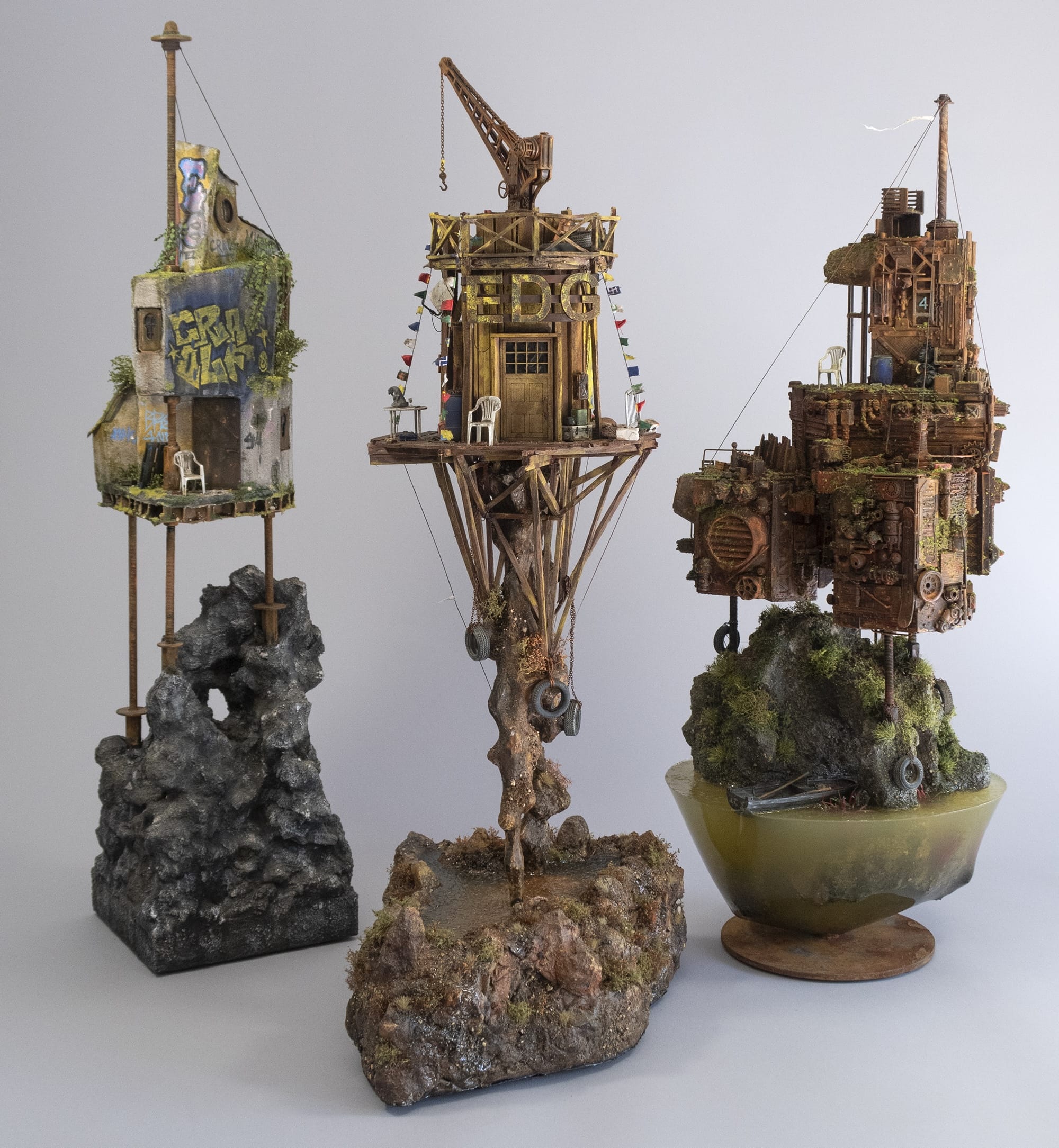
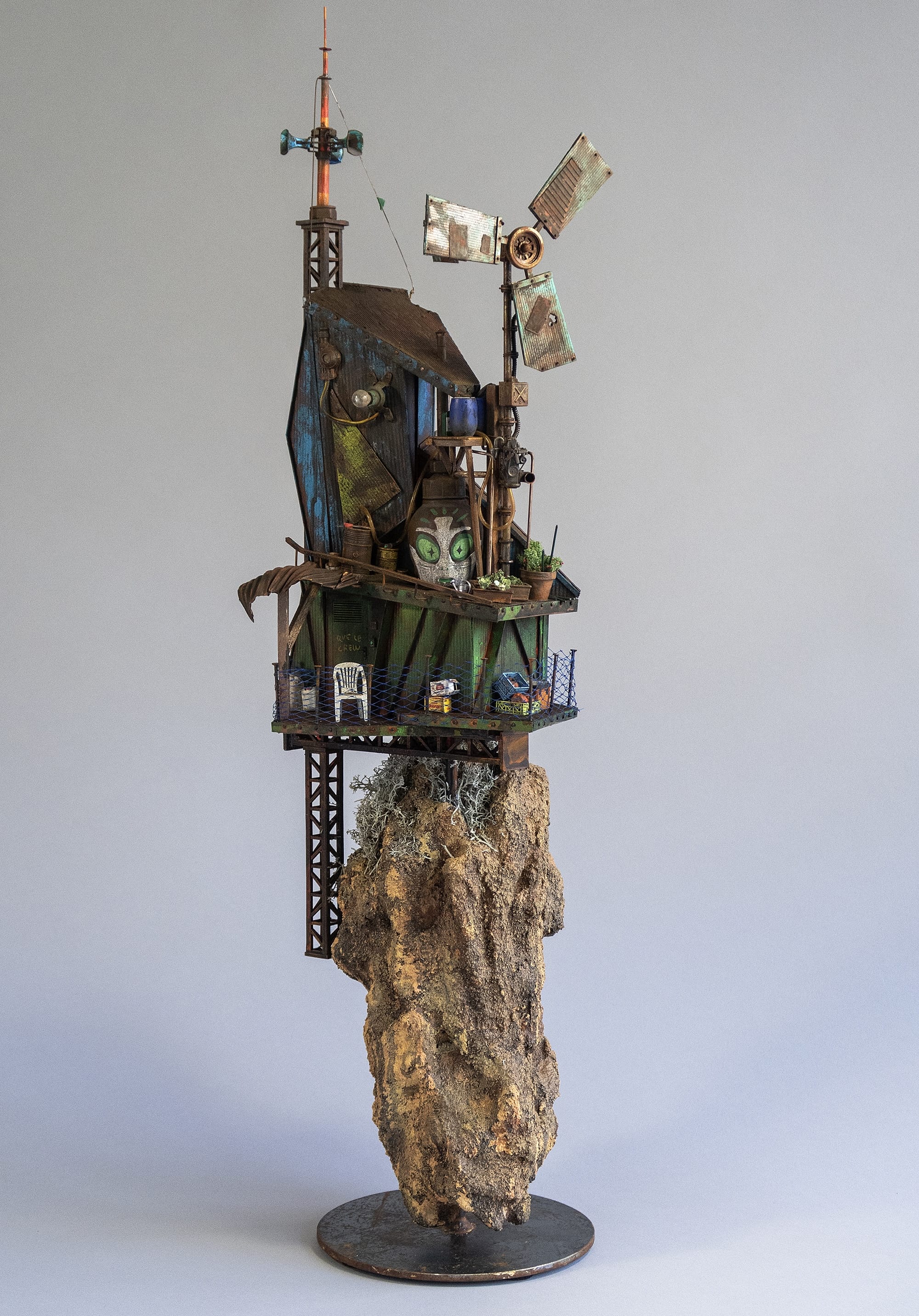
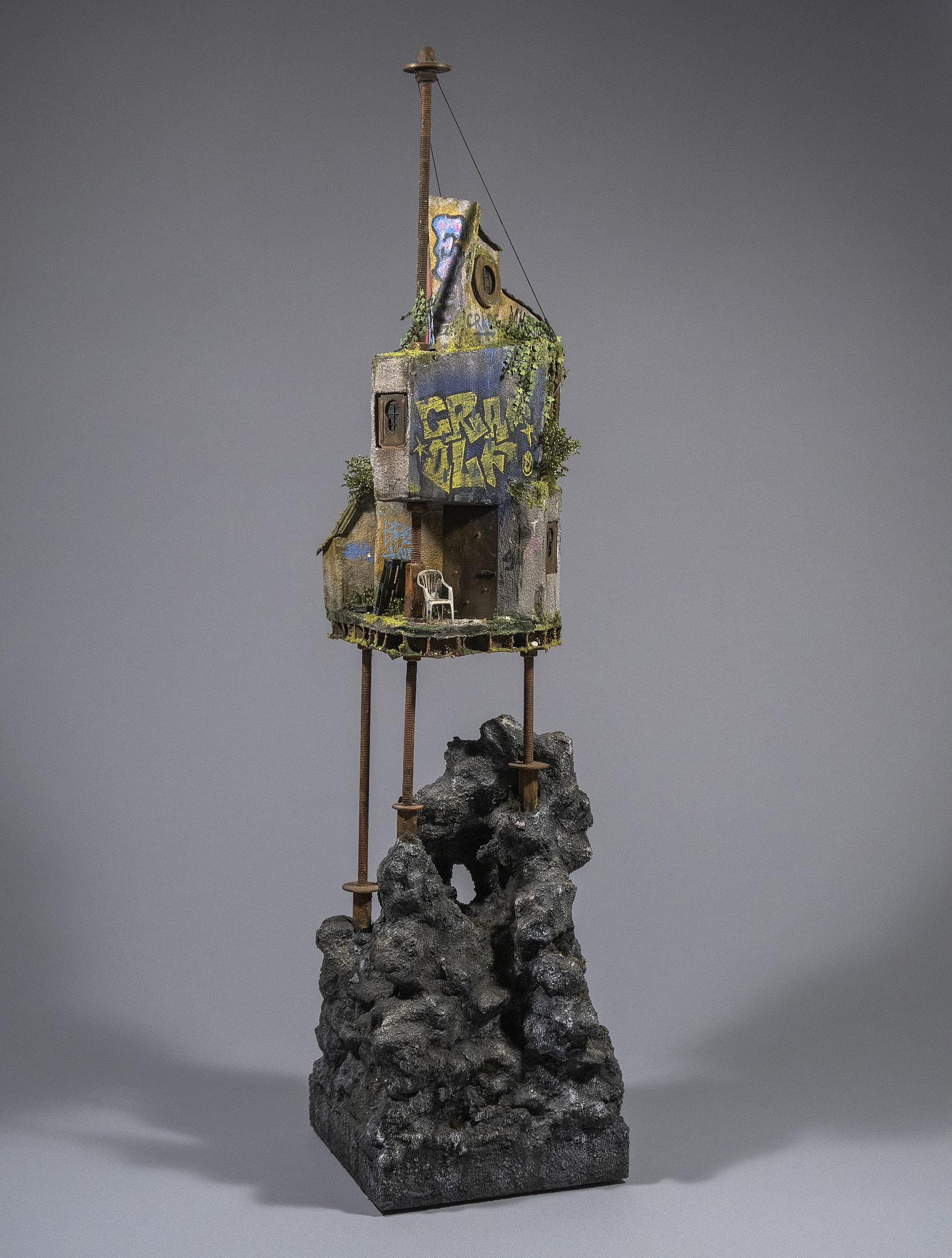
When something’s stable, dependable, and strong, we might say it’s “like a rock.” Similarly, when things become difficult and challenges feel immovable, we might find ourselves “between a rock and a hard place.” These idioms suggest that perhaps especially when we face challenges, we find ways to beat the odds. And Simon Laveuve’s idiosyncratic, post-apocalyptic dwellings detail just that.
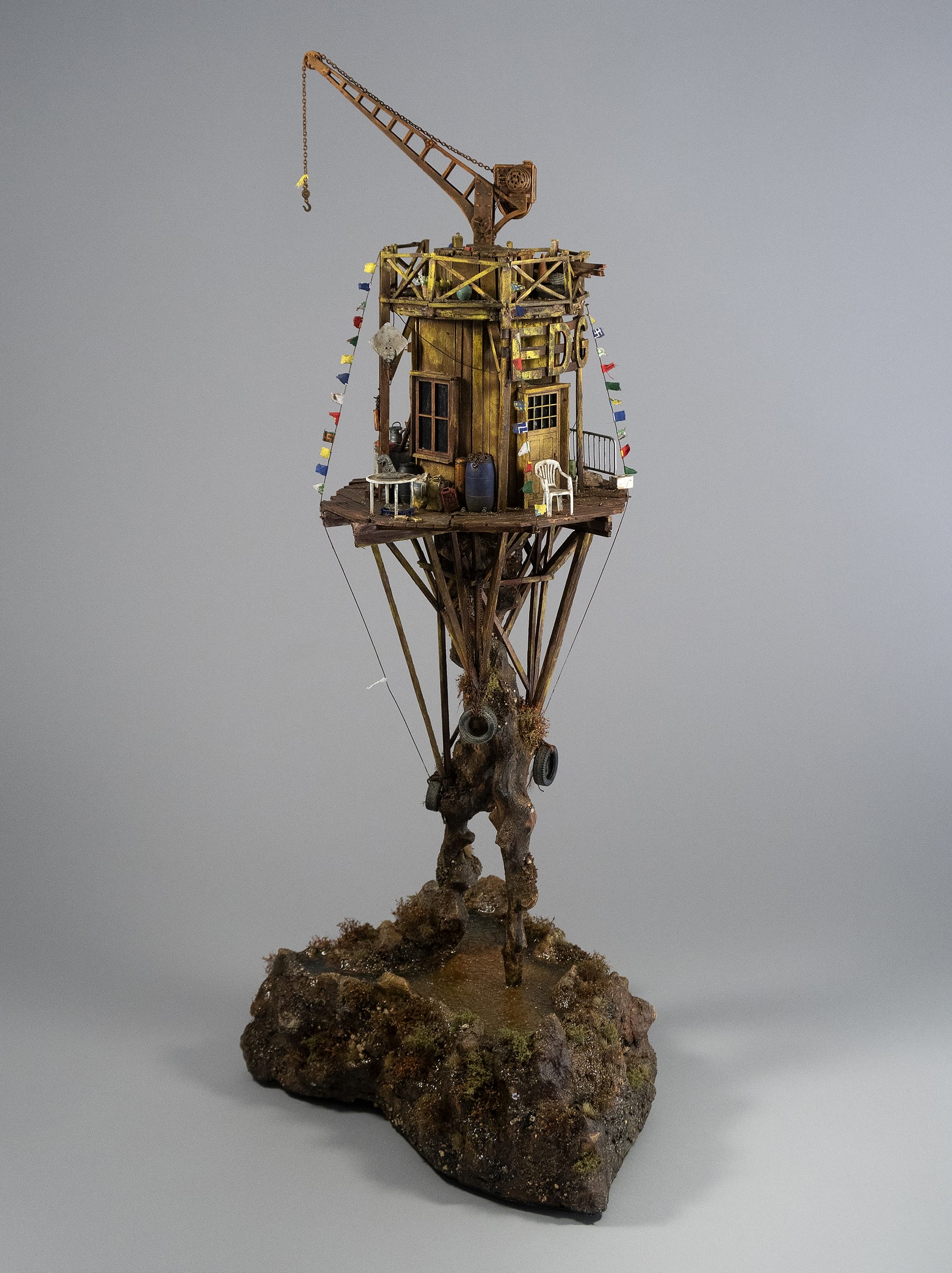
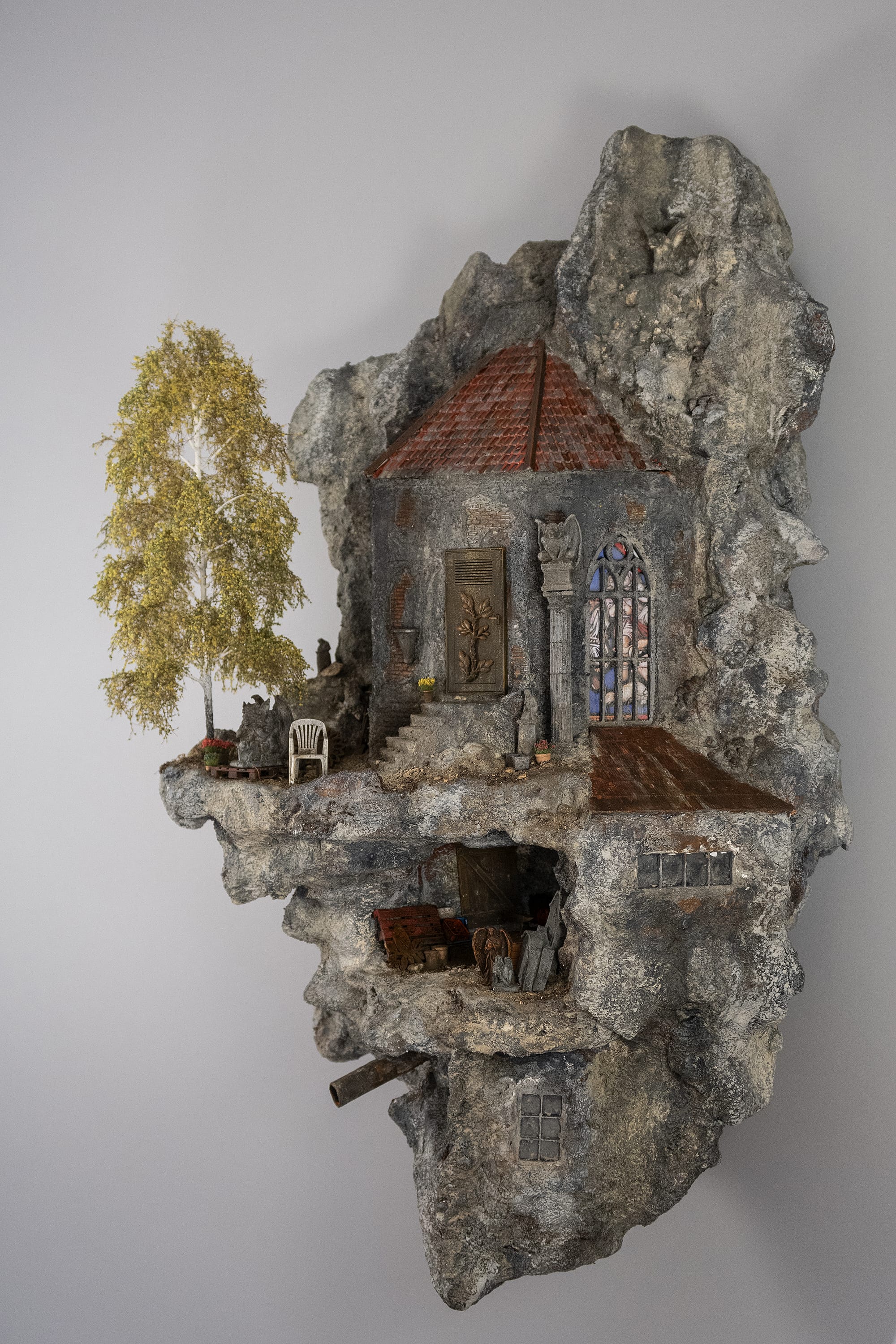
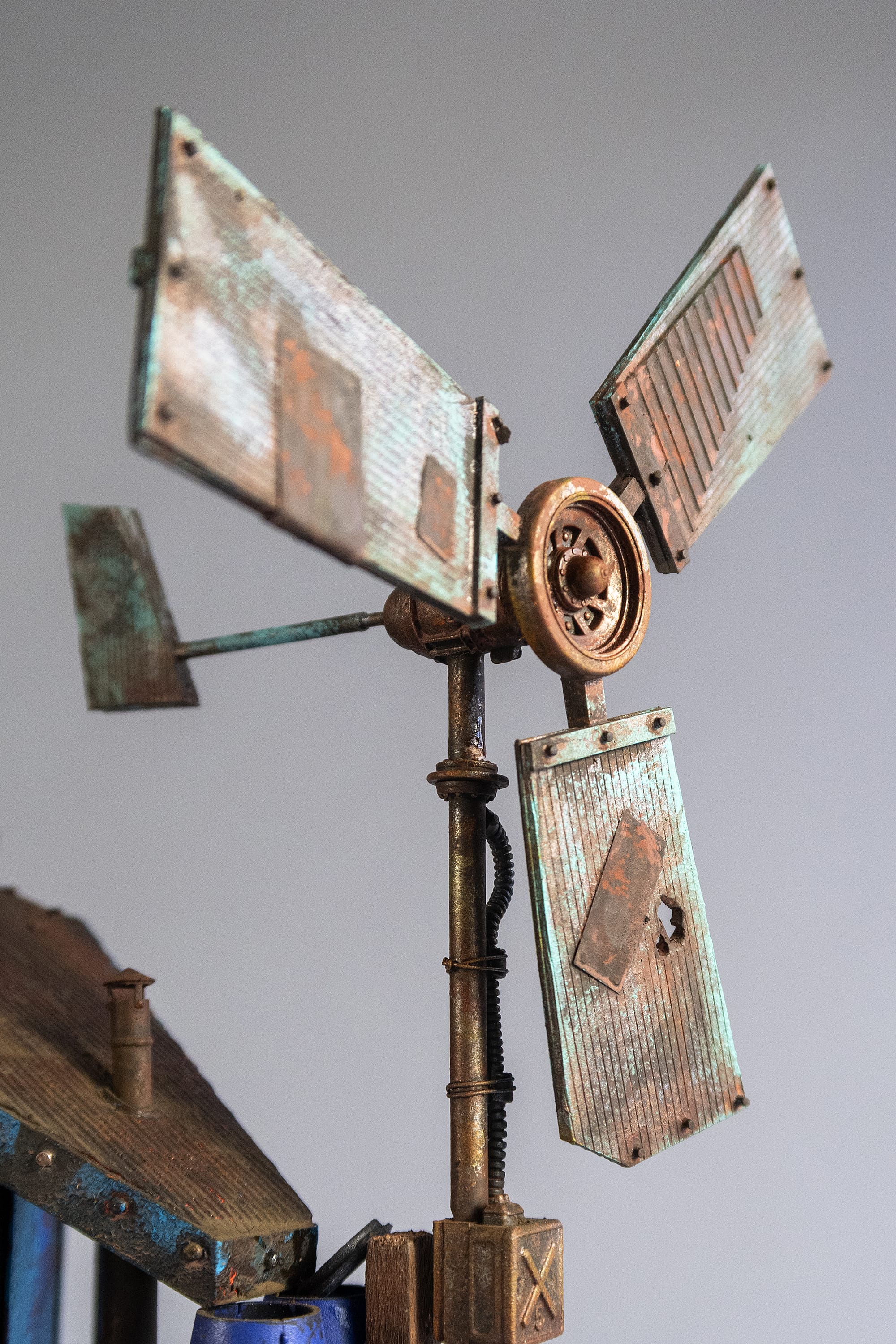
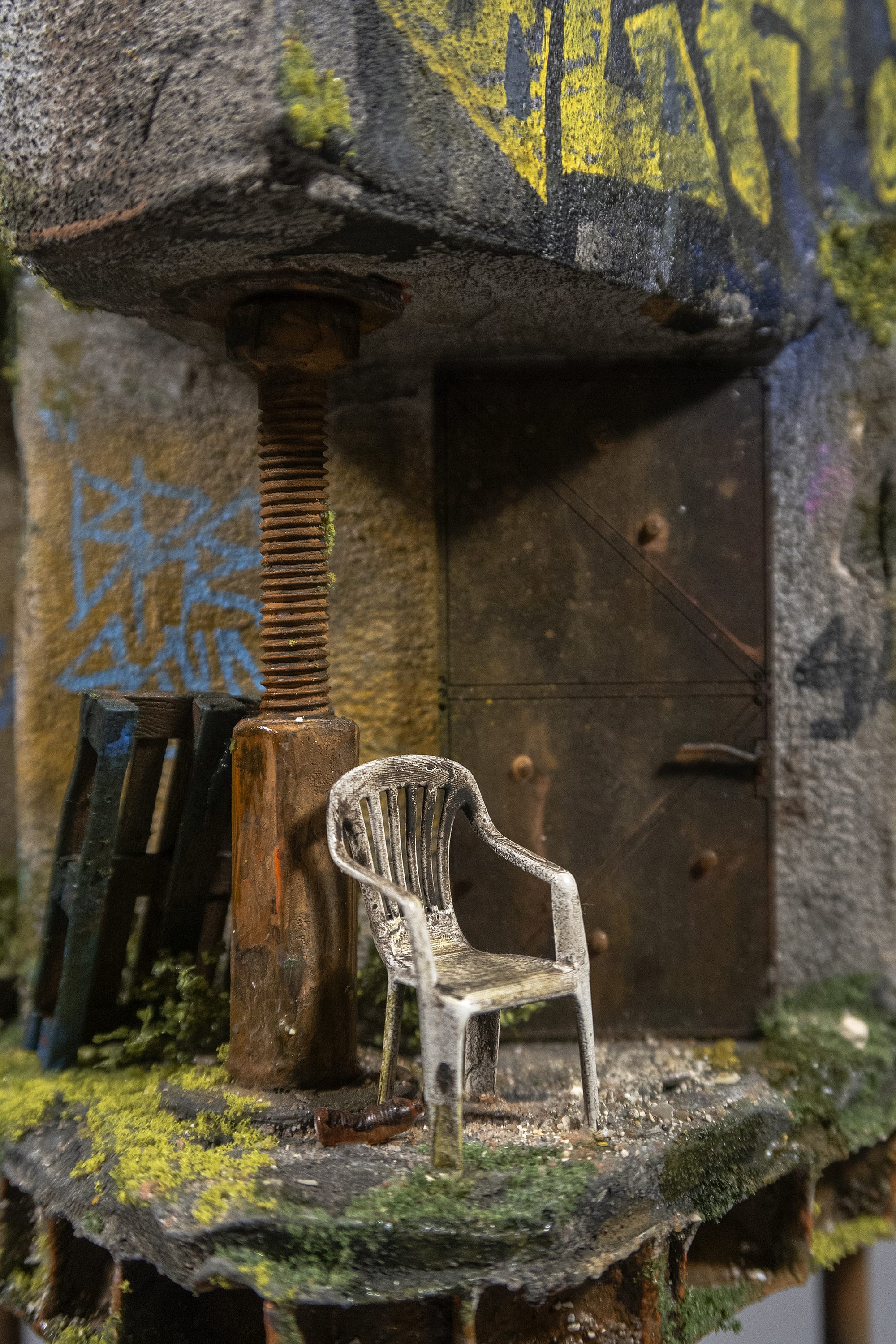
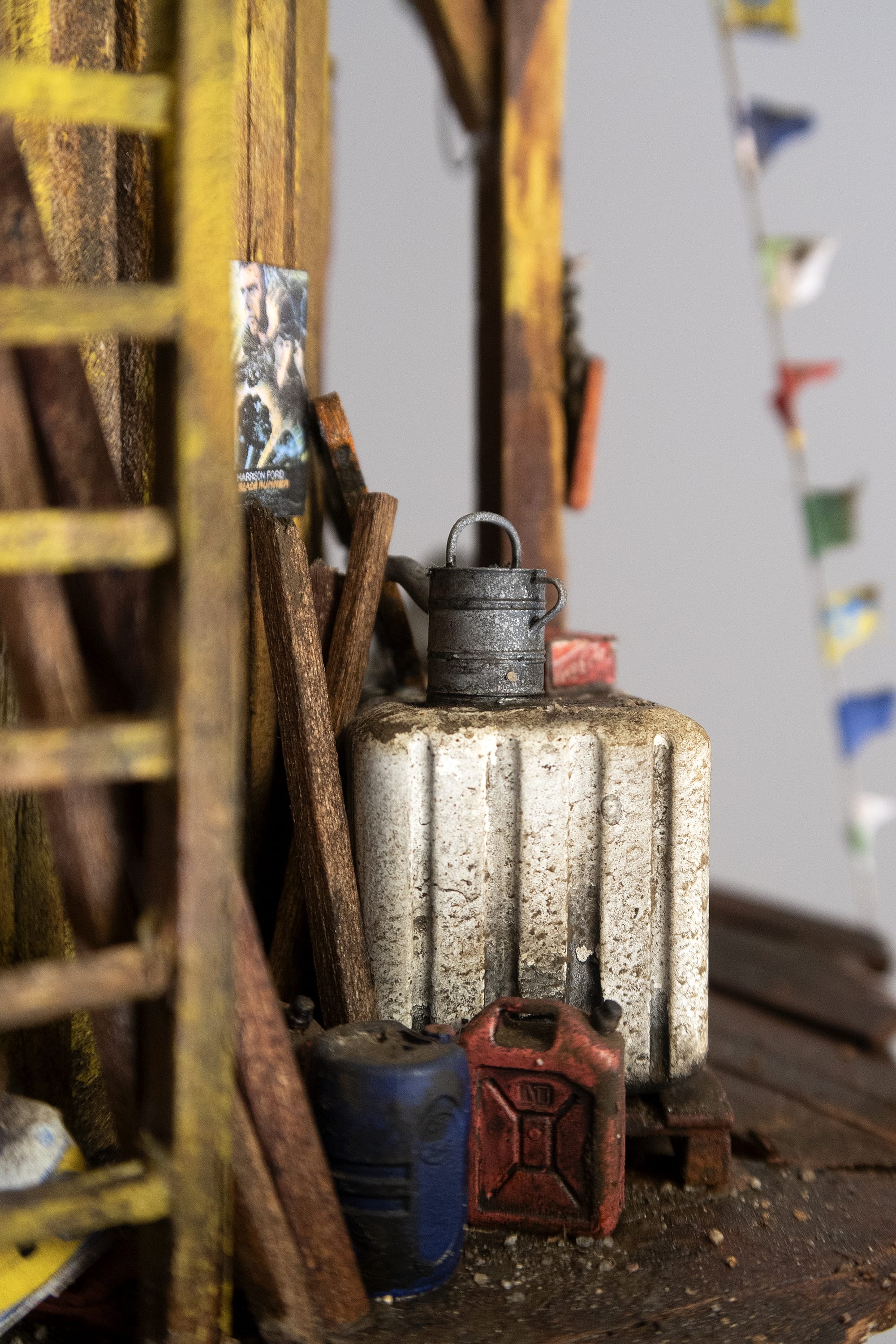
The artist’s 1/35-scale miniature domiciles perch atop stilts and boulders. Laveuve pairs tiny chairs, boxes of produce, fishing gear, and other daily essentials with objects that appear to have been scrounged from who-knows-where and repurposed into useful tools and furniture. While figures never occupy the scenes, evidence of their activities and lifestyle intimates their presence, as if the residents have simply slipped out to run a quick errand.
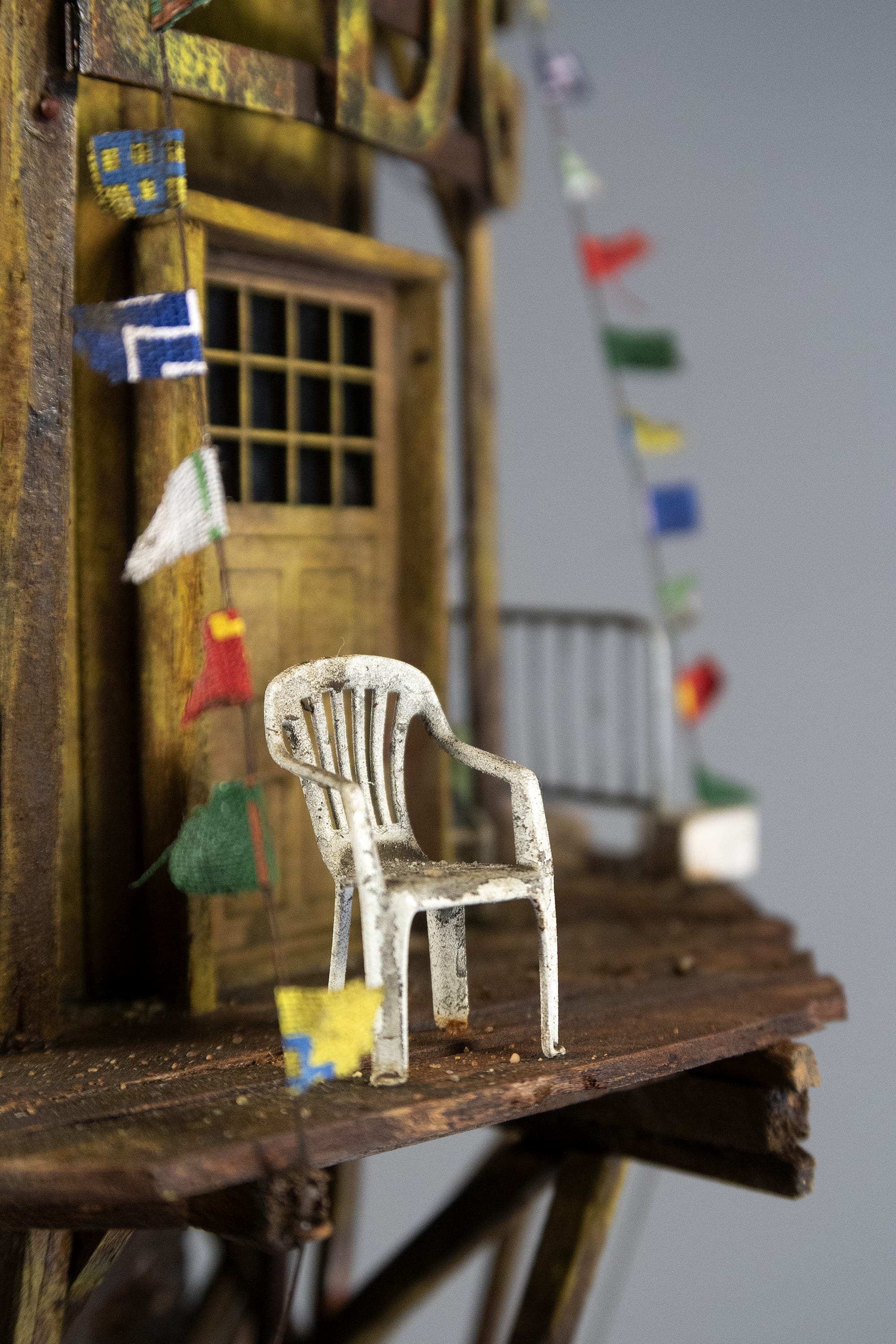
If you’re in Paris later this fall, see these works in person in the artist’s solo exhibition, Ancré dans la roche (Anchored in Rock). The title nods to Laveuve’s thematic throughline of dwellings in unexpected and often precarious places, where the anonymous builders make do with what’s available—a fitting metaphor for life amid contemporary political and economic turbulence. The work “speaks to this fundamental need: finding a place to hold on,” the artist tells Colossal. “And, from that point of anchorage, to live.”
Ancré dans la roche opens on November 12 and continues through December 22 at Loo & Lou Gallery, which will also present Laveuve’s work during Luxembourg Art Week from November 20 to 22. Check out the artist’s Instagram for updates.


Do stories and artists like this matter to you? Become a Colossal Member today and support independent arts publishing for as little as $7 per month. The article Precarious Dwellings Perch Atop Rocks in Simon Laveuve’s 1/35-Scale Miniatures appeared first on Colossal.