I was not expecting snow at all when I was in Japan. And it happened twice. First time was the first pass through Fujiyoshida, heavy snow came out of nowhere and made for one of the roughest nights of the trip. After that, I began to expect it coming (even if I had no wear ready for it), and the day I came to Wakayama, and as the roads climbed higher into the mountains I knew for an almost certain fact that when I reached Koya-San, it would happen again.
Now because I saw it coming this time I wasn't as annoyed, in fact, it provided me with fresh opportunities as I've only ever seen Summer rain shots of this place. Allowed me to really think outside the box.
Most of the time I was here I gravitated towards the lanterns (and those who have stuck around long enough or went through my albums would probably be aware by now). Any lineups or excuse to get a star shot. I don't have a specific story beyond that, and as this trip becomes more and more cemented in the past, the less I remember, especially with 2026 providing enough of its own challenges.
In editing I did quite a bit. I highlighted the pathway and the details on the closer lantern. There may have been one light ray cutting through but this photo wasn't supposed to have much natural light if any. Also this is meant to compensate for the fact that I got no usable shots when nighttime actually came, this is kinda what I wanted from real darkness and I just couldn't get it. So it's a little funny that I got my night shot before dusk even came.
MEERSTAD (ANP) - De familie en vrienden van de twee mensen uit Meerstad die donderdag dood werden aangetroffen in hun huis schrijven in een verklaring dat zij "erg onder de indruk zijn van de dramatische gebeurtenissen" rond hun overlijden. De 15-jarige dochter van het stel werd donderdagochtend aangehouden op verdenking van de moord op haar ouders. De rechter-commissaris bepaalde vrijdag dat het meisje nog zeker veertien dagen blijft vastzitten.
De familie en vrienden schrijven in de verklaring dat zij "het nauwelijks kunnen bevatten". Zij willen "in alle rust en beslotenheid" afscheid nemen van de slachtoffers en schrijven te hopen dat iedereen hun wens respecteert.
De burgemeester van Groningen liet eerder weten dat de gebeurtenis een "diepe impact" op veel mensen heeft en riep op terughoudend te zijn met het delen van informatie.
LONDEN (ANP) - De Britse politicus Andy Burnham is in het Britse parlement beëdigd als parlementariër. Dit betekent dat hij officieel Keir Starmer op kan volgen als premier. Burnham won de verkiezing in het district Makerfield vorige week. Hij stelde zich speciaal verkiesbaar om het binnen zijn Labour-partij op te kunnen nemen tegen Starmer.
Starmer kondigde maandag aan af te treden. Hij zegt premier te blijven totdat Labour een nieuwe leider heeft gekozen. De voormalige minister van Volksgezondheid Wes Streeting zei zich eerder ook kandidaat te gaan stellen voor het leiderschap, maar heeft inmiddels aangegeven Burnhams kandidatuur te steunen.
Burnham werd volgens de BBC met luid applaus ontvangen door zijn partij toen hij het Lagerhuis binnenstapte om te worden beëdigd.
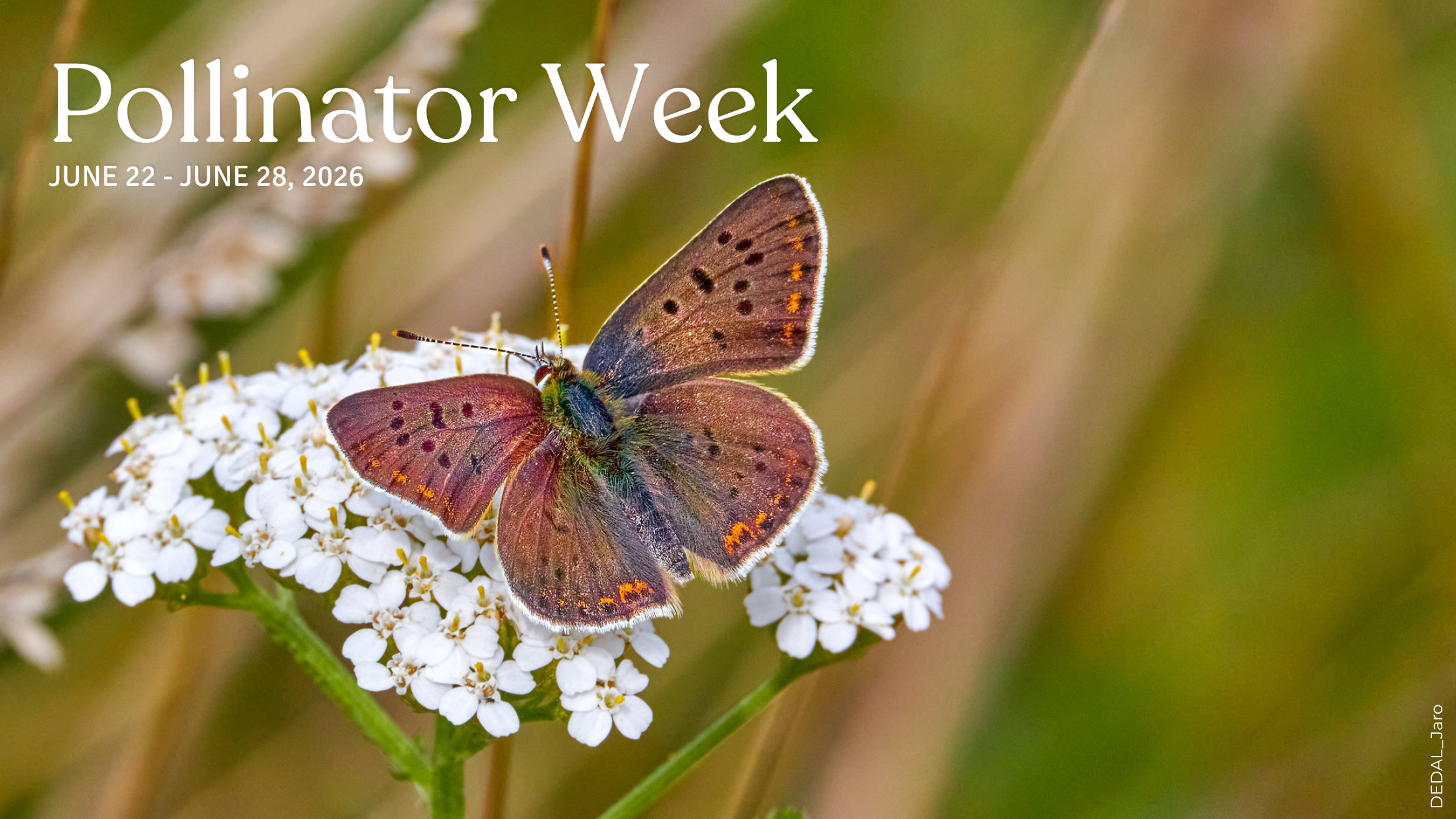
This week, we’re honoring the small creatures behind one of the most essential processes on Earth, pollination. Welcome to Pollinator Week! From bees to butterflies, bats to hummingbirds and so many species in between, these animals quietly keep our food systems running. One week feels like a small thank you for what they do every day. While their work is integral in plant reproduction and food system development, pollinators’ hard work also results in the creation of certain raw materials, the prevention of soil erosion and increased carbon storage. Pollinators are tiny in size but large contributors to the health of this planet.
It’s not a big stretch to see where photography fits in. Nature photography is consistently one of the most popular genres on Flickr. Search the term pollinator on Flickr and you’ll find hundreds of thousands of photos. Run another search for more specific terms like caterpillars or butterflies and the search results keep rolling in. Photographers take great care in capturing these small, hardworking heroes and if you haven’t taken a look through Flickr to see them at work and in their habitats, today is a great day to start!
Life on a Leaf: Celebrating Caterpillars and Host Plants
Butterflies and moths are among the world’s most recognizable pollinators. Before they earn the title of pollinator, they go through one of nature’s most remarkable transformations. This year’s Pollinator Week theme: Life on a Leaf: Celebrating Caterpillars and Host Plants celebrates every stage of that journey, from caterpillar to pollinator along with the plants that make it possible
Caterpillars depend on host plants for food and shelter but those can be overlooked as an important part of the cycle that ultimately supports our food supply. This Pollinator Week we’re honing in on that earlier chapter: caterpillars, their habitats and the plants that sustain them.
Flickr for the Planet
For a full list of Pollinator Week events and ways to get involved, visit www.pollinator.org If you’re heading outside this week, bring your camera! Sharing your photos of pollinators does real work when it comes to building awareness around species that are easy to overlook. If you want a first hand look at pollinators, Flickr is the perfect place to start. Photographers from all over the world share gorgeous pollinator shots everyday that help bring these tiny animals and insects into focus so that we can see every detail of their little lives as they carry out their very big jobs. Looking for a place to start your pollinator search, make sure to visit our Flickr for the Planet group where you will find a nature focused group of photographers who share their gorgeous captures.
See you out there!
Not a Flickr member yet? Sign up today to join our community of photographers and find your inspiration.
Tweede Kamerlid Tamara ten Hove van de Groep Markuszower zou op werkbezoek gaan met Natuurmonumenten. En toen toch niet: 'Bij oproepen tot geweld trekken wij de grens.'
Hij is pas negentien jaar oud, maar wordt door het Openbaar Ministerie in Rotterdam gezien als het brein achter meerdere, gewapende overvallen: op een juwelier en een woonhuis. “Sinds ik vastzit, is de knop omgezet. Ik wil nu iets van mijn leven maken.”
There’s considerable pride to be taken from graduating, and it’s a moment friends and family are often eager to mark with a gift. But what presents best cement this major milestone? As leaving celebrations of all stripes approach, we asked recent graduates to tell us about what they loved receiving, from the sentimental to the practical.
“When I graduated from York, my parents treated me to a meal at a restaurant I’d had my eye on since starting my course,” says reader Toby Beer, a biology graduate. “It was a brilliant send-off to celebrate my time in Yorkshire.”
Earlier this year, an Alaskan assembly member found himself in hot water for introducing a resolution that would have prohibited the Matanuska-Susitna Borough Public Library System from making books and other media available to anyone if deemed “harmful to minors” by the borough manager.
The proposal wasn’t well received. Public records obtained from the Borough Clerk’s Office and shared with 404 Media show that the proposal was wildly unpopular. In emails to assembly members, constituents implored the resolution's sponsor Michael Bowles to withdraw it, calling it an “audacious and idiotic” attempt at destruction by way of “bureaucratic nightmare.” One constituent likened it to a proposal to “make all libraries children's libraries.” Another said its adoption could result in countless other books being removed that “are not sexual in nature” but which may contain “passing references to sex or adult themes.”
A week went by before Bowles withdrew the request, seemingly to recalibrate. The Mat-Su Sentinel reported in May that the assembly member introduced and again withdrew a resolution that would have forced the system to pull the book Let’s Talk About It: The Teen’s Guide to Sex, Relationships, and Being a Human from shelves. This teen book has been in the adult section of Mat-Su’s borough-run libraries since 2023 when it was relocated from the teen section following a challenge.
404 Media has obtained records from dozens of public libraries, which include Requests for Reconsideration of Materials forms (RFRs) and official decision letters to challengers, along with draft versions of updated collection development policies. Much has been written in the last five years about the blatant efforts to suppress access to books that could contain any remotely challenging ideas or that deviate even slightly from cis white heterodoxy, but there’s been little talk about what that means from the rest of us. What my reporting confirms is that there are more books intended for children and young adults in adult sections because challengers didn’t believe it was appropriate for children and young adults to read about people of color and/or people who are queer, trans, or both, while also showing that a large-scale reorganization of public library collections is currently underway, that its application varies by state and locality, and that it’s been very hard to measure because it’s totally chaotic.
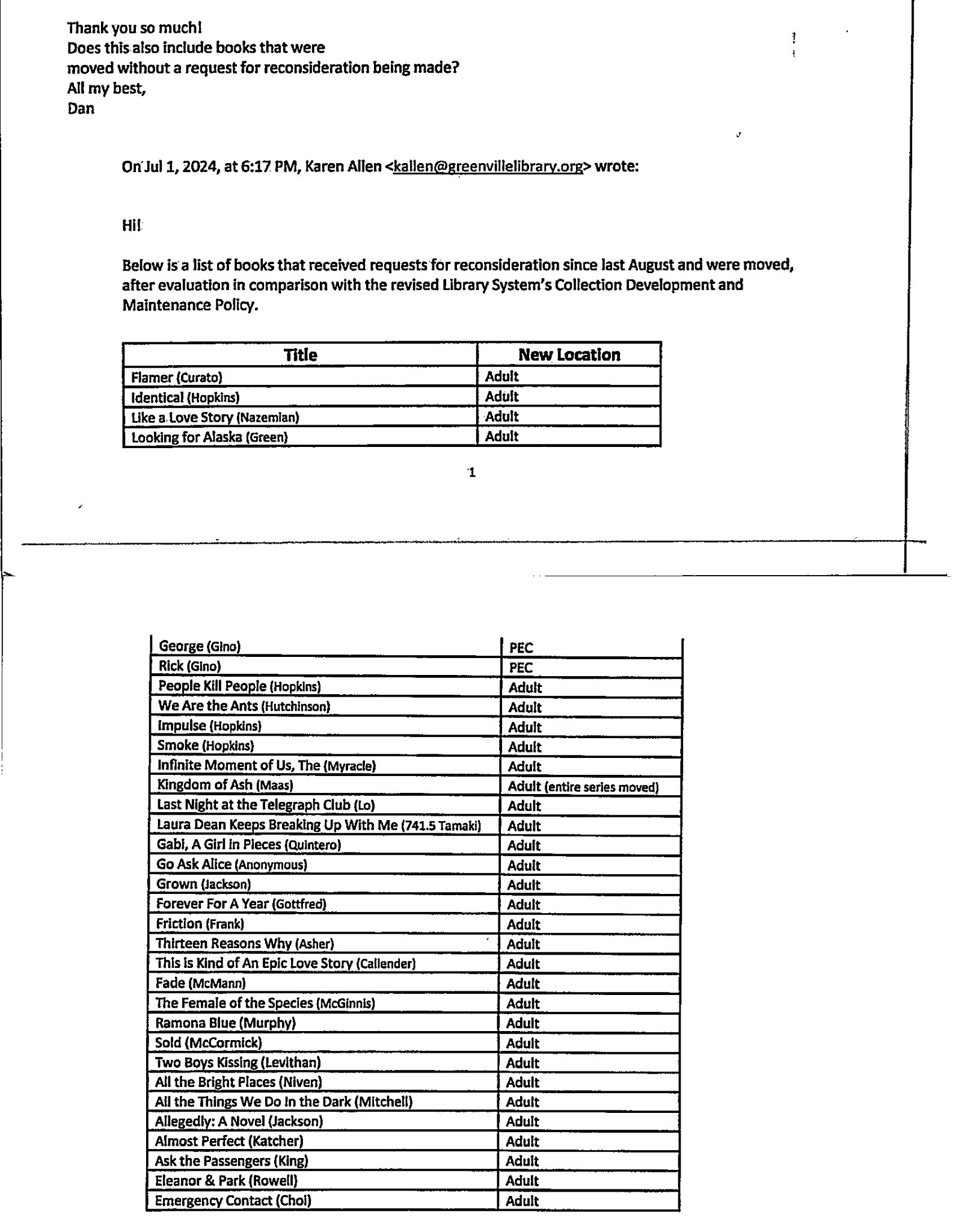
Records obtained from one South Carolina public library system show that between June 2024 and August 2025, more than two dozen young adult books were relocated to the library’s adult section. Before that, the system had already resectioned more than two dozen other YA titles. The ACLU sued Greenville County Public Library System in 2025 for its board-adopted policies from 2024.
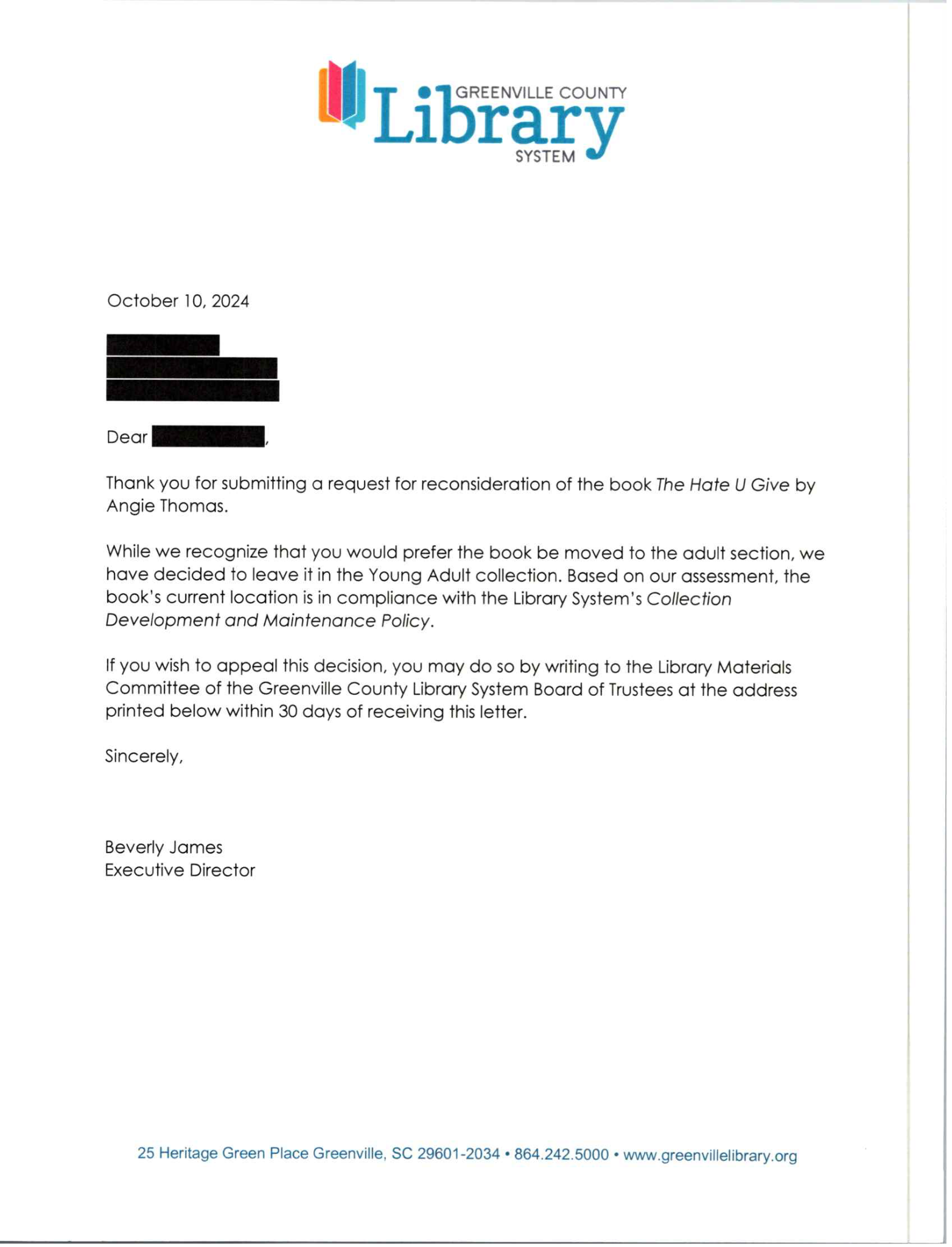
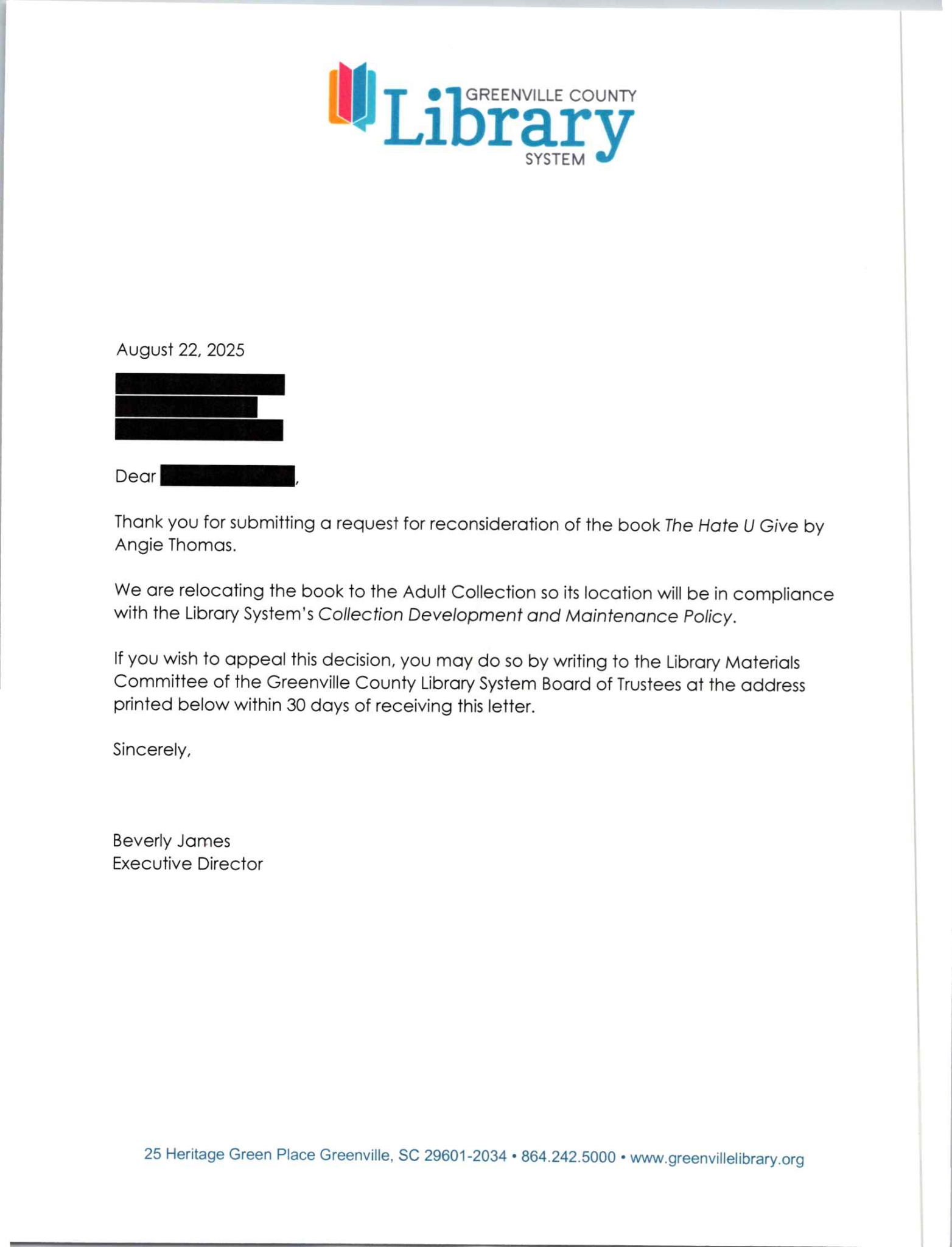
Most letters from the library’s executive director didn’t include any reason for the relocation. However, more recent letters reference the library’s updated collection development policy.
One frequently challenged title caught up in the mix at this library was The Hate U Give a YA book published in 2017 about a teenager who has to witness her friend—an unarmed Black man—be murdered by a police officer during a traffic stop. In 2024 at the Greenville County Public Library System, the book was challenged and retained before, in 2025, the book was again challenged and relocated to the library’s adult section. What happened in between these two events, the library’s board adopted policies making this and other books easier to remove.
The majority of U.S. anti-library laws introduced from 2022 to now have largely focused on school libraries. Only a few states have laws that affect municipal and county public libraries, and so far, most of these efforts have either failed to pass or were struck down by governors. That’s not to say state governments haven’t found other ways to do censorship. As of now, at least two states have mechanisms tying public library funding to content restrictions. One of them happens to be South Carolina, which has a legislative requirement that threatens to strike the system from its budget unless the system certifies with the State Librarian that they don’t keep books in the children, youth or teen sections that could be of "prurient interest” to a 17 year old. A more aggressive version of state library-agency rulemaking comes from Alabama.
In 2024, the Alabama Public Library Service (APLS) amended its administrative code to withhold funding to public libraries that don’t do enough to restrict minors’ access to “sexually explicit” or otherwise “inappropriate” material, and has only continued to broaden its scope since. APLS has since gone on to broaden the criteria for what is “sexually explicit” before adding a provision to treat content dealing with the “concept of more than two biological genders” as inappropriate for youth sections.
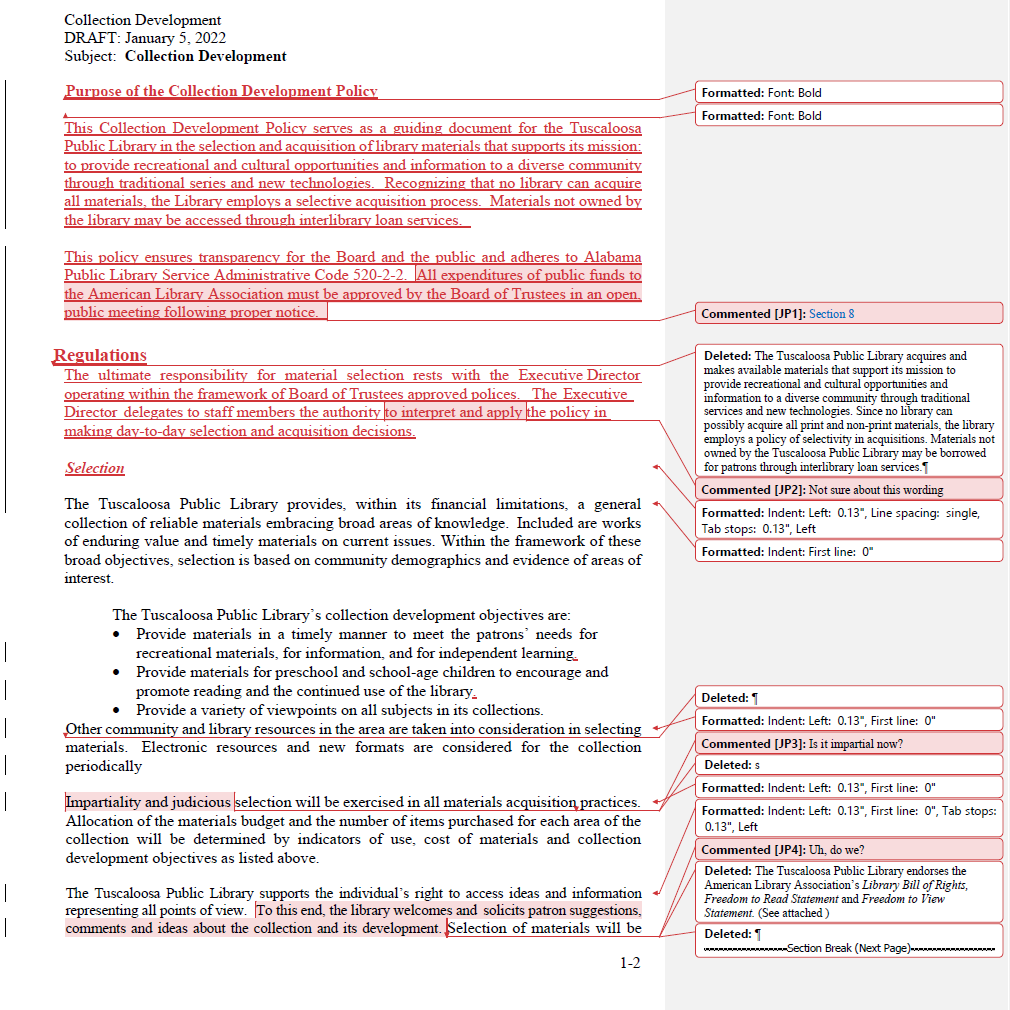
Tuscaloosa Public Library released records to 404 Media in response to a public records request that included tracked edits to the library’s 2025 collection development policy—initially based on a 2022 version—to meet APLS funding requirements. These changes appear to have been accepted. A line about the library welcoming community feedback on collection development, which an editor appeared to question, was also retained.
The motives behind these changes to collection policies and funding incentives raise serious questions about who public libraries are for in America. William Rodick, who researches representation and culturally responsive teaching in Pre-K and primary education for the nonprofit EdTrust, says the mass relocation of diverse books from developmentally appropriate sections of public libraries into adult sections is a form of “intellectual condescension,” or the idea that young people aren’t capable of dealing with hard topics through literature.
“That becomes manifest by removing opportunities for demonstrating honesty for students,” Rodick told 404 Media.
Rodick says that students already have disproportionate access to spaces outside of classrooms where students can access reading materials. Regardless of where they’re getting their books, students of color and students who are LGBTQ+ aren’t presented in the majority of the books they do have access to—much less so now than just a few years ago.
“And when they are presented, quite often those representations are stereotypes through really negative portrayals that are certainly not going to use the kind of motivation students need to engage with reading,” Rodick said. “The fear that I have is that at some point, we are going to see even greater disparity in outcomes than we already do for literary rates because of perpetual inaccess to quality materials.”
Nadja Young is chief brand officer with MetaMetrics, the company that developed the widely-adopted Lexile Reading Framework because it measures both reader ability and text complexity to match readers with books that are appropriately challenging. She says the focus for upper grades in high school is really about vocabulary in contexts that are authentic.
"Reading whole books absolutely helps to build that stamina," Young told 404 Media.
There are, of course, other factors to weigh when making widesweeping generalizations about literacy rates in adults. Young notes that adults with dyslexia, neurodivergence, and English language learners have historically and continue to have difficulty finding books they can parse that also honor their maturity and intellect. Lexile only measures a text’s complexity, not the content or themes a book contains. And yet, books are being relocated based on content or theme. Whether text complexity is an afterthought or conflated with content or theme is only something the most prolific censors can know.
"I don't think we could take the stance that it's going to bring the population up or down because as long as these books are still in the library somewhere, people can find them and the librarians can help direct them," Young added.
Tasslyn Magnussun, an independent researcher and consultant with organizations like PEN America and EveryLibrary was an early chronicler of the current rise of modern-day book banning. She says book relocation in public libraries is really just a roundabout way of eliminating diverse representation from children’s literature entirely.
“We may end up with collections that have weird pockets of literature in them, but I think the more likely scenario is the books won’t circulate,” Magnussun told 404 Media.
When library books don’t circulate, they’re more likely to get weeded so the library can circulate new titles based on their collection policies. Collection policies, however, are being rewritten across the country to eliminate intellectual freedom and privacy for minors by targeting titles that can fit into a broad category called “sexually explicit,” which is synonymous with “harmful to minors.” This, Magnussun says, prompts publishers to argue that books with same-sex couples, transgender protagonists and people of color encountering racism, brutality—even genocide—don’t sell, because libraries are getting rid of them.
Where the hypothesis holds up, Magnussun said, is that a young person’s constitutional right to access information is dependent on where they live and whether the adults in their lives recognize them as having free will or not. For adult sections of libraries, a disproportionate number of young adults will need some form of parental permission to check out books that deal with sensitive subjects that, like it or not, teens deal with.
Unfortunately, the modern-day parental rights movement is predicated on a belief that children are the property of their parents, and therefore parents, “should be able to do anything they want to them,” including restricting their right to read and explore their interests to their fullest potential. Instead, Magnussun says, adults are blocking children from accessing developmentally appropriate material in instances that deal with sensitive subject matter. She takes YA books that grapple with hard topics, like suicide and child sexual abuse as examples, as these are issues censors frequently cite in RFRs for why a book should be relocated.
The illusion of control is obviously not working and will have devastating consequences for the rest of us, which people do not want and vehemently reject. This means the answer likely lies somewhere between meeting your kids where they’re at, even when where they’re at bears no resemblance to the Devil You Know. Which is scary and sucks, but that’s also what parenting is, and which a lot of parents don’t seem to get.
“We talk about parents’ rights, but what we really need is parent remedial education,” Magnussun added.





:format(jpeg):fill(f8f8f8,true)/s3/static.nrc.nl/wp-content/uploads/2025/06/24095735/data132931524-38215c.png)