Clarence B. Jones, de man die meeschreef aan Martin Luther Kings historische ‘I Have a Dream’-speech

Tegen ebola is nog geen remedie. In Congolese ziekenhuizen gaan expert onderzoeken of geneesmiddelen tegen de virusziekte ingezet kunnen worden. Ook vaccins zijn in de maak.
/s3/static.nrc.nl/wp-content/uploads/2026/05/26110114/270526DAT_2033981098_ebola.jpg)
China lijkt zich met de bezoeken van Trump en Poetin te ontpoppen tot een supermacht. Toch ziet Henk Schulte Nordholt vanwege allerlei binnenlandse problemen geen Chinees wereldrijk ontstaan.
/s3/static.nrc.nl/wp-content/uploads/2026/05/26091359/280526OPI_2033897349_WEB_HP_ILLU_China-buitenlandse-politiek_Hajo.jpg)


Since Péter Magyar’s election victory he has vowed to reverse withdrawal from court before it took effect
Lawmakers in Hungary have voted overwhelmingly for the country to remain a member of the international criminal court, reversing a decision made by the previous government of Viktor Orbán.
Wednesday’s vote came days before the country was poised to become the only EU member state not to recognise the jurisdiction of the global tribunal, which aims to prosecute those accused of war crimes, genocide and crimes against humanity.
Continue reading...
Oceans cover more than 70 percent of the earth, and yet there is so much we have yet to understand about these vast and biodiverse expanses. Even though we’ve recorded tens of thousands of marine creatures over the decades and scientists are discovering new species all the time, we’ve really only scratched the surface. According to The Nippon Foundation-Nekton Ocean Census, up to 90 percent of ocean life remains a mystery.
A major collaborative program involving Schmidt Ocean Institute and many others, Ocean Census is accelerating the pace at which marine life is found and documented. Between April 1, 2025, and March 31, 2026, alone, the initiative’s researchers officially discovered 1,121 new species through 13 expeditions and nine “species discovery workshops” involving leading scientists around the globe.

“With many species at risk of disappearing before they are even documented, we are in a race against time to understand and protect ocean life,” says Dr. Michelle Taylor, who is Head of Science for Ocean Census. “Too many species remain in limbo for years because the process of formally describing them is too slow. We urgently need to change that…Every new species—whether a shark or a sponge—deepens our understanding of marine ecosystems and the benefits they provide for the planet.”
Explore hundreds more newly discovered species on the Ocean Census website.


Do stories and artists like this matter to you? Become a Colossal Member today and support independent arts publishing for as little as $7 per month. The article In a Single Year, Ocean Census Scientists Discovered More than 1,100 New Marine Species appeared first on Colossal.
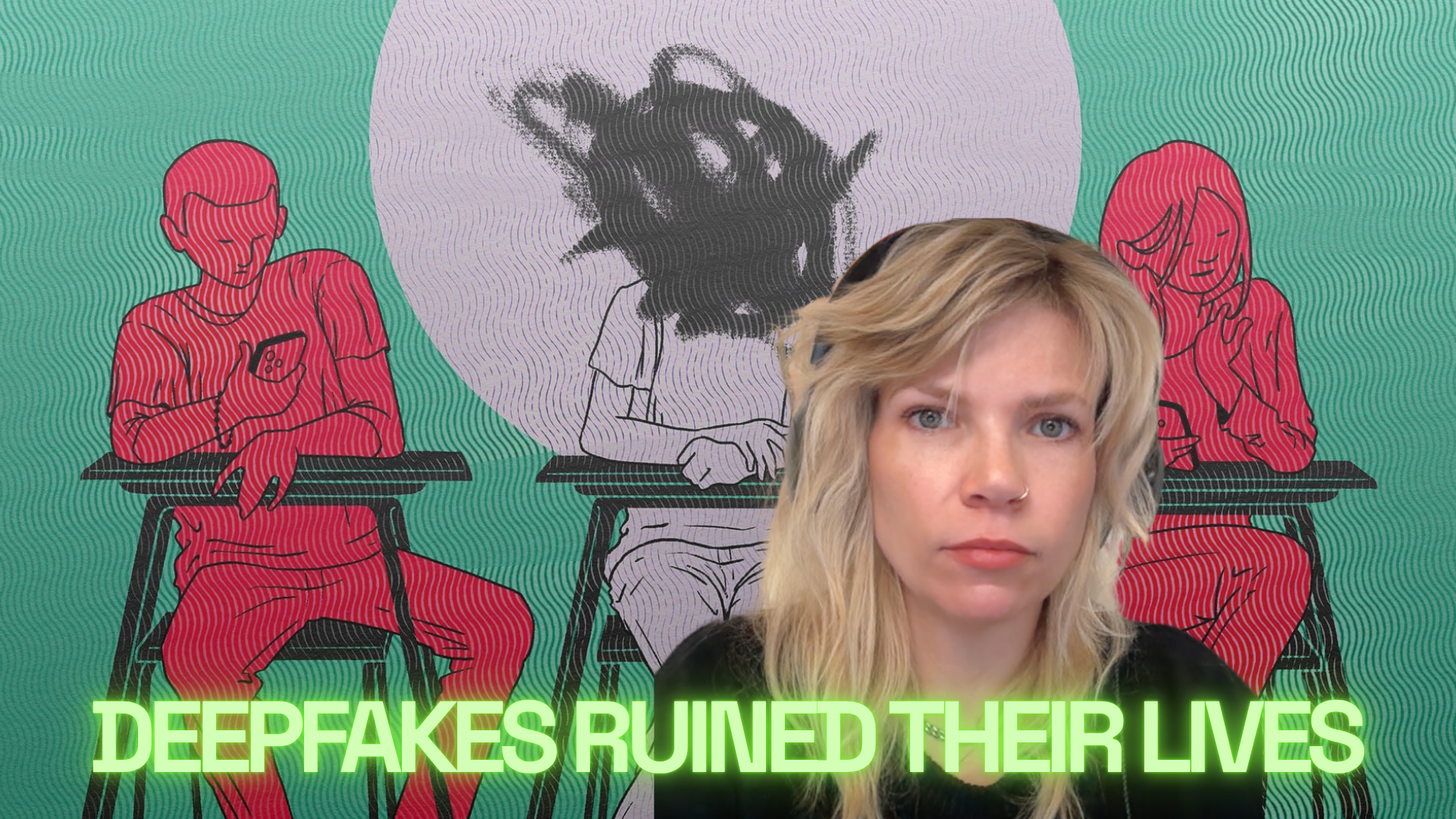
We start this week with Sam’s deeply reported story on how deepfakes rocked a high school, and how those kids were failed at each step. After the break, Joseph tells us about BusPatrol, a company that plans to turn school buses into roaming surveillance vehicles. In the subscribers-only section, Jason explains why a councilmember crashed out over Flock.
Listen to the weekly podcast on Apple Podcasts, Spotify, or YouTube. Become a paid subscriber for access to this episode's bonus content and to power our journalism. If you become a paid subscriber, check your inbox for an email from our podcast host Transistor for a link to the subscribers-only version! You can also add that subscribers feed to your podcast app of choice and never miss an episode that way. The email should also contain the subscribers-only unlisted YouTube link for the extended video version too. It will also be in the show notes in your podcast player.
- LA Made x 404 Media Presents: How AI is Threatening the Future of Media
- How Deepfakes Tore a High School Apart
- ‘BusPatrol’ Put AI Cameras in Tens of Thousands of School Buses. Now They Want to Give Cops Access
- After Town Bans Flock, Councilmember Crashes Out, Proposes Internet and Phone Ban
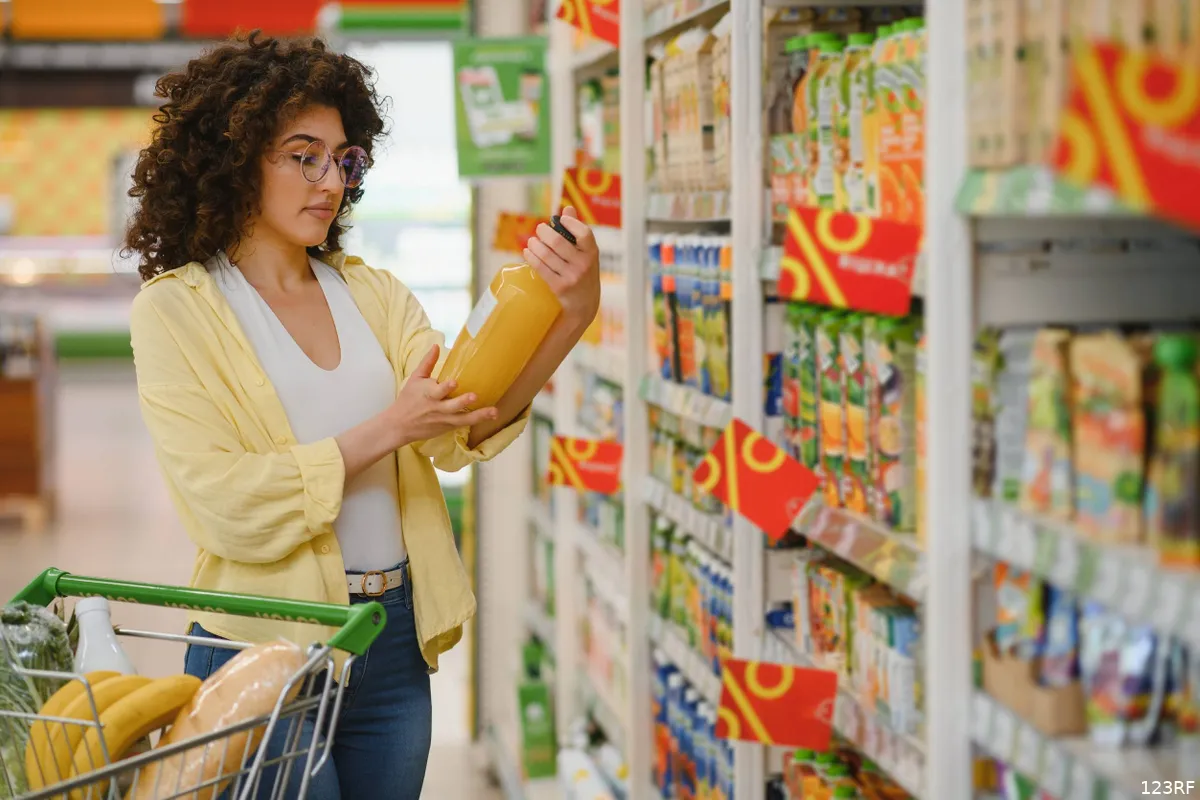
Met een mandje vol aanbiedingen loop je trots de supermarkt uit. Bonus gescoord, slim ingekocht, goed bezig. Tot je thuis de bon bekijkt en denkt: hoezo ben ik zoveel geld kwijt? Welkom in de wondere wereld van de supermarktpsychologie, waar jij denkt dat je slim inkopen doet, terwijl je portemonnee langzaam leeg raakt.
Het woord ‘gratis’ doet iets raars met mensen. Zodra we het zien, schakelt ons rationele denkvermogen zichzelf zo ongeveer uit. Gedragsexperts noemen dat het Zero Price Effect: iets wat niets kost, voelt automatisch aantrekkelijker dan iets waar je wél voor moet betalen, zelfs als het uiteindelijk nauwelijks voordeel oplevert.
Dat komt doordat ons brein nog altijd geprogrammeerd staat op schaarste. Ooit moesten we voedsel verzamelen voordat een ander ermee vandoor ging; tegenwoordig slaan we vier flessen douchegel in omdat er '2+2 gratis' aan het schap hangt. Niet meedoen voelt bijna alsof je een unieke kans laat liggen. En precies dat gevoel zorgt ervoor dat je sneller en meer koopt dan je eigenlijk van plan was.
Neem die luxe shampoo van negen euro per fles. Met een tweede gratis lijkt het ineens een buitenkansje. Maar reken je het terug, dan betaal je nog steeds 4,50 euro per stuk, exact hetzelfde bedrag als het huismerk ernaast. Alleen loop je nu wel met een halve voorraadkast naar buiten.
De slimme trucs waarmee supermarkten je verleiden
Supermarkten weten precies hoe ze jouw aandacht moeten trekken. Achter vrijwel iedere aanbieding zit een psychologische strategie.
1. Eerst duur maken, daarna goedkoop laten lijken
Veel producten hebben buiten acties om een opvallend hoge prijs. Dat gebeurt bewust. Door een product eerst stevig aan de prijs te maken, lijkt een aanbieding later veel aantrekkelijker. Twee verpakkingen voor dezelfde prijs voelt als winst, terwijl je zonder actie waarschijnlijk helemaal niet zoveel had gekocht.
2. Tijdsdruk creëren
“Alleen vandaag”, “laatste kans” of “maximaal vier per klant”: het zijn klassieke manieren om je onder druk te zetten. Zodra je denkt dat iets straks weg is, neemt je impuls het over van logica. Ineens voelt een voorraad afbakbrood voor drie weken als een noodzakelijke investering.
3. De korting ergens anders terugpakken
Die spectaculaire aanbiedingen worden natuurlijk niet uit pure liefdadigheid gegeven. Winkels verdienen het geld vaak terug op producten waar je minder op let: vuilniszakken, kruiden, pasta, wc-papier. Kleine prijsstijgingen vallen nauwelijks op, maar samen zorgen ze ervoor dat je kassabon ongemerkt hoger uitvalt.
Waarom aanbiedingen je juist meer laten uitgeven
Onderzoek laat zien dat consumenten tijdens actieperiodes gemiddeld meer geld spenderen dan ze vooraf van plan waren. Dat komt niet alleen doordat je extra producten koopt, maar ook omdat aanbiedingen je het gevoel geven dat je ruimte hebt om meer mee te nemen.
En ondertussen bereikt de supermarkt precies wat die wil: jij raakt gewend aan een bepaald merk. De volgende keer betaal je waarschijnlijk zonder nadenken de volle prijs.
Zo trap je er minder snel in
Wil je slimmer boodschappen doen? Dan helpen deze drie regels verrassend goed:
- Koop alleen wat je vooraf écht nodig had.
- Vergelijk altijd de prijs per kilo of liter, niet alleen de actieprijs.
- Wees kritisch op aanbiedingen van verse producten die snel bederven.
Want die gratis tweede verpakking voelt misschien als winst, maar niet als de helft uiteindelijk in de prullenbak belandt.
Bron: Panorama