
prbimages has added a photo to the pool:

Some kind of sculpture thingy (I don't have any details) in Collins Street, Melbourne.
Sony A7C / ILCE-7C
Viltrox 14mm F4.0 Air
14mm; 1/100 sec; f/6.3; ISO 100
prbimages has added a photo to the pool:
Some kind of sculpture thingy (I don't have any details) in Collins Street, Melbourne.
Sony A7C / ILCE-7C
Viltrox 14mm F4.0 Air
14mm; 1/100 sec; f/6.3; ISO 100
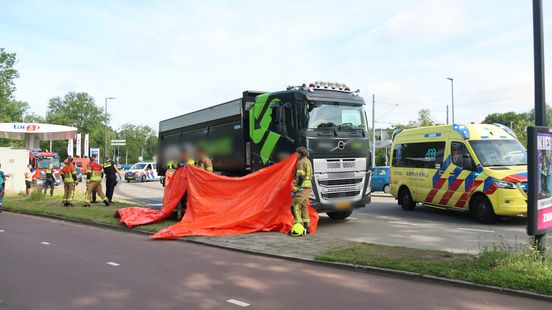
DEN HAAG (ANP) - Nederlandse politieagenten moeten bij demonstraties "zichtbare identificatietekens" gaan dragen, zoals naamplaatjes of dienstnummers, vinden advocaten van Extinction Rebellion (XR). Ze noemen het ontbreken daarvan "een schending van fundamentele rechten van slachtoffers van onnodig politiegeweld", omdat het in de praktijk vaak heel moeilijk of zelfs onmogelijk blijkt om agenten achteraf ter verantwoording te roepen.
"Hardhandig politieoptreden tegen vreedzame demonstranten is problematisch. Nog zorgwekkender is dat klachten en aangiften zelden leiden tot maatregelen tegen de verantwoordelijke agenten, omdat hun identiteit niet kan worden achterhaald", stellen de juristen onder leiding van advocaat Willem Jebbink. Ze wijzen op diverse rechtszaken waarin dit probleem naar voren kwam.
De advocaten vragen minister van Justitie en Veiligheid David van Weel binnen vier weken te erkennen dat de overheid identificatietekens moet regelen en uit te leggen hoe hij dit wil aanpakken. Als medewerking uitblijft, zegt XR naar de rechter te stappen.
An indie star in his homeland, Mabandla’s fame is growing abroad – and his uplifting new album is full of existential insight after some of the toughest years of his life
As the camera pulls back from Bongeziwe Mabandla in the video for his recent single Yalwa, the true stars of the show reveal themselves: two women, dressed in a mix of crisp white and black traditional isiXhosa umbhaco garments and chic designer wear. Sure, Mabandla himself strikes a compelling figure in the centre of the frame in his own traditional apparel; the herd of cattle grazing around them are resplendent; and the forested ridges of South Africa’s Eastern Cape remain rapturous. But those stoic, confident, badass women! “Yeah, that’s my mom and aunt,” Mabandla says with a chuckle. The song, he says, is “all about heritage, going back and celebrating women in my lineage and in my family”.
Keeping that connection alive has become especially important to Mabandla now that the singer-songwriter – an indie icon in Johannesburg – has been living far away from them for the first time. After years of finding particular acclaim in France (including a nomination for the prestigious Radio France Internationale award early in his career), Mabandla has been settled in Paris for six months amid bouts of touring and travelling through Europe. “I’m everywhere these days, living between two countries,” he says, laughing again. “I wanted to see what doors would open for me living in a different culture, especially in a big place like Paris. It’s been life-changing, but I’ve been very careful I don’t abandon my South African side.”
Continue reading...
europeanspaceagency posted a photo:

On 17 June 2026 at 09:21 local time (13:21 BST, 14:21 CEST), Ariane 6 flight VA269 soared to orbit from Europe’s Spaceport in French Guiana. 36 satellites for Amazon’s Leo constellation left Earth powered by four P160C-based boosters, the first time these upgraded boosters were used – making this launch the most powerful so far for Europe’s heavy-lift rocket.
The debut of the four new boosters based on the P160C solid-propellant rocket motor allowed 36 Leo satellites to be launched – four more than the two Leo launches Ariane 6 has delivered before.
The P160C solid-rocket motor holds 156 tonnes of propellant, 14 tonnes more than its predecessor P120C and is 14.5 m tall. In the runup to an Ariane 6 launch the P160C motor is turned into an Ariane 6 booster by adding aerodynamic fairing and other hardware such as connections specific for Ariane 6. Although P160C is a meter taller than the P120C motor, the additional height does not affect the connection to Ariane 6’s central core nor the height of the Ariane 6 booster as there is room in the fairing to accommodate the height increase.
Ariane 6 is the latest rocket in a long history of launchers to fly from Europe’s Spaceport in French Guiana – demonstrating the power of multinational cooperation for over five decades. Ariane 6 is Europe’s heavy-lift launcher and a key element of ESA’s efforts to ensure autonomous access to space for Europe’s citizens. Its modular and versatile design allows it to launch all types of missions, from low-Earth orbit to deep space. The new P160C boosters increase considerably performance, payload capacity and competitiveness, allowing for more satellites to be launched, further elevating the future of Europe.
Credits: ESA–S. Corvaja
europeanspaceagency posted a photo:

On 17 June 2026 at 09:21 local time (13:21 BST, 14:21 CEST), Ariane 6 flight VA269 soared to orbit from Europe’s Spaceport in French Guiana. 36 satellites for Amazon’s Leo constellation left Earth powered by four P160C-based boosters, the first time these upgraded boosters were used – making this launch the most powerful so far for Europe’s heavy-lift rocket.
The debut of the four new boosters based on the P160C solid-propellant rocket motor allowed 36 Leo satellites to be launched – four more than the two Leo launches Ariane 6 has delivered before.
The P160C solid-rocket motor holds 156 tonnes of propellant, 14 tonnes more than its predecessor P120C and is 14.5 m tall. In the runup to an Ariane 6 launch the P160C motor is turned into an Ariane 6 booster by adding aerodynamic fairing and other hardware such as connections specific for Ariane 6. Although P160C is a meter taller than the P120C motor, the additional height does not affect the connection to Ariane 6’s central core nor the height of the Ariane 6 booster as there is room in the fairing to accommodate the height increase.
Ariane 6 is the latest rocket in a long history of launchers to fly from Europe’s Spaceport in French Guiana – demonstrating the power of multinational cooperation for over five decades. Ariane 6 is Europe’s heavy-lift launcher and a key element of ESA’s efforts to ensure autonomous access to space for Europe’s citizens. Its modular and versatile design allows it to launch all types of missions, from low-Earth orbit to deep space. The new P160C boosters increase considerably performance, payload capacity and competitiveness, allowing for more satellites to be launched, further elevating the future of Europe.
Credits: ESA–S. Corvaja


