
etsu2 has added a photo to the pool:

europeanspaceagency posted a photo:

On 17 June 2026 at 09:21 local time (13:21 BST, 14:21 CEST), Ariane 6 flight VA269 soared to orbit from Europe’s Spaceport in French Guiana. 36 satellites for Amazon’s Leo constellation left Earth powered by four P160C-based boosters, the first time these upgraded boosters were used – making this launch the most powerful so far for Europe’s heavy-lift rocket.
The debut of the four new boosters based on the P160C solid-propellant rocket motor allowed 36 Leo satellites to be launched – four more than the two Leo launches Ariane 6 has delivered before.
The P160C solid-rocket motor holds 156 tonnes of propellant, 14 tonnes more than its predecessor P120C and is 14.5 m tall. In the runup to an Ariane 6 launch the P160C motor is turned into an Ariane 6 booster by adding aerodynamic fairing and other hardware such as connections specific for Ariane 6. Although P160C is a meter taller than the P120C motor, the additional height does not affect the connection to Ariane 6’s central core nor the height of the Ariane 6 booster as there is room in the fairing to accommodate the height increase.
Ariane 6 is the latest rocket in a long history of launchers to fly from Europe’s Spaceport in French Guiana – demonstrating the power of multinational cooperation for over five decades. Ariane 6 is Europe’s heavy-lift launcher and a key element of ESA’s efforts to ensure autonomous access to space for Europe’s citizens. Its modular and versatile design allows it to launch all types of missions, from low-Earth orbit to deep space. The new P160C boosters increase considerably performance, payload capacity and competitiveness, allowing for more satellites to be launched, further elevating the future of Europe.
Credits: ESA–S. Corvaja
europeanspaceagency posted a photo:

On 17 June 2026 at 09:21 local time (13:21 BST, 14:21 CEST), Ariane 6 flight VA269 soared to orbit from Europe’s Spaceport in French Guiana. 36 satellites for Amazon’s Leo constellation left Earth powered by four P160C-based boosters, the first time these upgraded boosters were used – making this launch the most powerful so far for Europe’s heavy-lift rocket.
The debut of the four new boosters based on the P160C solid-propellant rocket motor allowed 36 Leo satellites to be launched – four more than the two Leo launches Ariane 6 has delivered before.
The P160C solid-rocket motor holds 156 tonnes of propellant, 14 tonnes more than its predecessor P120C and is 14.5 m tall. In the runup to an Ariane 6 launch the P160C motor is turned into an Ariane 6 booster by adding aerodynamic fairing and other hardware such as connections specific for Ariane 6. Although P160C is a meter taller than the P120C motor, the additional height does not affect the connection to Ariane 6’s central core nor the height of the Ariane 6 booster as there is room in the fairing to accommodate the height increase.
Ariane 6 is the latest rocket in a long history of launchers to fly from Europe’s Spaceport in French Guiana – demonstrating the power of multinational cooperation for over five decades. Ariane 6 is Europe’s heavy-lift launcher and a key element of ESA’s efforts to ensure autonomous access to space for Europe’s citizens. Its modular and versatile design allows it to launch all types of missions, from low-Earth orbit to deep space. The new P160C boosters increase considerably performance, payload capacity and competitiveness, allowing for more satellites to be launched, further elevating the future of Europe.
Credits: ESA–S. Corvaja
europeanspaceagency posted a photo:

On 17 June 2026 at 09:21 local time (13:21 BST, 14:21 CEST), Ariane 6 flight VA269 soared to orbit from Europe’s Spaceport in French Guiana. 36 satellites for Amazon’s Leo constellation left Earth powered by four P160C-based boosters, the first time these upgraded boosters were used – making this launch the most powerful so far for Europe’s heavy-lift rocket.
The debut of the four new boosters based on the P160C solid-propellant rocket motor allowed 36 Leo satellites to be launched – four more than the two Leo launches Ariane 6 has delivered before.
The P160C solid-rocket motor holds 156 tonnes of propellant, 14 tonnes more than its predecessor P120C and is 14.5 m tall. In the runup to an Ariane 6 launch the P160C motor is turned into an Ariane 6 booster by adding aerodynamic fairing and other hardware such as connections specific for Ariane 6. Although P160C is a meter taller than the P120C motor, the additional height does not affect the connection to Ariane 6’s central core nor the height of the Ariane 6 booster as there is room in the fairing to accommodate the height increase.
Ariane 6 is the latest rocket in a long history of launchers to fly from Europe’s Spaceport in French Guiana – demonstrating the power of multinational cooperation for over five decades. Ariane 6 is Europe’s heavy-lift launcher and a key element of ESA’s efforts to ensure autonomous access to space for Europe’s citizens. Its modular and versatile design allows it to launch all types of missions, from low-Earth orbit to deep space. The new P160C boosters increase considerably performance, payload capacity and competitiveness, allowing for more satellites to be launched, further elevating the future of Europe.
Credits: ESA–S. Corvaja
europeanspaceagency posted a photo:

On 17 June 2026 at 09:21 local time (13:21 BST, 14:21 CEST), Ariane 6 flight VA269 soared to orbit from Europe’s Spaceport in French Guiana. 36 satellites for Amazon’s Leo constellation left Earth powered by four P160C-based boosters, the first time these upgraded boosters were used – making this launch the most powerful so far for Europe’s heavy-lift rocket.
The debut of the four new boosters based on the P160C solid-propellant rocket motor allowed 36 Leo satellites to be launched – four more than the two Leo launches Ariane 6 has delivered before.
The P160C solid-rocket motor holds 156 tonnes of propellant, 14 tonnes more than its predecessor P120C and is 14.5 m tall. In the runup to an Ariane 6 launch the P160C motor is turned into an Ariane 6 booster by adding aerodynamic fairing and other hardware such as connections specific for Ariane 6. Although P160C is a meter taller than the P120C motor, the additional height does not affect the connection to Ariane 6’s central core nor the height of the Ariane 6 booster as there is room in the fairing to accommodate the height increase.
Ariane 6 is the latest rocket in a long history of launchers to fly from Europe’s Spaceport in French Guiana – demonstrating the power of multinational cooperation for over five decades. Ariane 6 is Europe’s heavy-lift launcher and a key element of ESA’s efforts to ensure autonomous access to space for Europe’s citizens. Its modular and versatile design allows it to launch all types of missions, from low-Earth orbit to deep space. The new P160C boosters increase considerably performance, payload capacity and competitiveness, allowing for more satellites to be launched, further elevating the future of Europe.
Credits: ESA–S. Corvaja
De wereldvoetbalbond FIFA heeft de Australische assistent-videoscheidsrechter Shaun Evans berispt naar aanleiding van het handgebaar dat hij vorige week maakte voorafgaand aan een wedstrijd. Volgens de FIFA moet het White Power teken de volgende keer beter zichtbaar zijn.
De FIFA stelde een onderzoek in nadat discriminatiemonitor Fare Network afgelopen week melding maakte van een ‘mogelijk extreemrechts handgebaar’ door Shaun. Officials concludeerden dat het inderdaad om een racistische boodschap ging, die volgens hen onvoldoende zichtbaar was voor de kijkers thuis.
FIFA-president Infantino laat weten dat Shaun een laatste waarschuwing heeft ontvangen. “Zo’n laffe manier van jezelf uiten hoort niet thuis op een WK als dit. Ik heb Shaun uitvoerig gesproken. Hij heeft me verzekerd dat het niet nog eens zal gebeuren, en dat hij bij de volgende wedstrijd gewoon netjes een witte puntmuts zal dragen.”
&

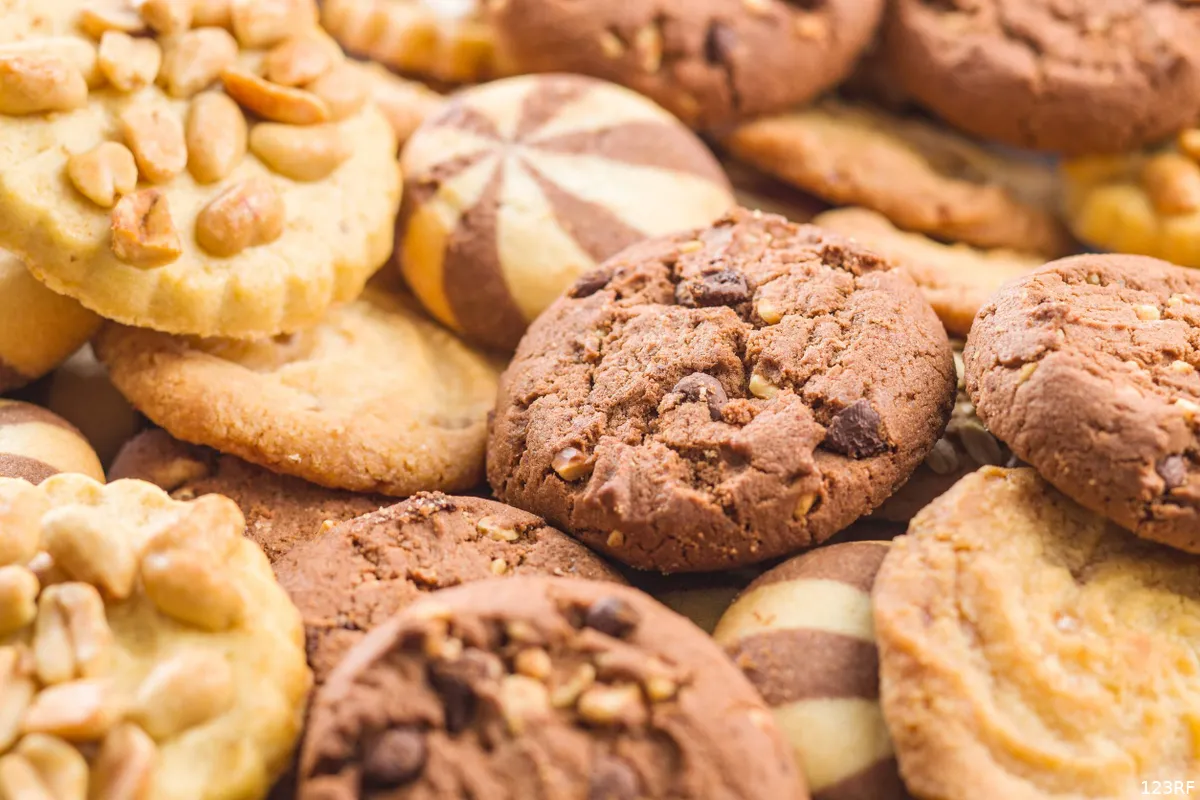
Wie gezonder wil eten, grijpt in de supermarkt al snel naar koekjes die er verantwoord uitzien. Maar dat beeld klopt lang niet altijd. Sterker nog: sommige klassiekers die een gezond imago hebben, blijken volgens diëtist Nancy te Hoven vooral bol te staan van de suiker.
Voor wie wil afvallen of simpelweg bewuster wil snacken, hoeft de oplossing trouwens niet te zijn om koekjes volledig te schrappen. “Vrijwel alle koekjes zijn een combinatie van suiker en verzadigd vet,” zegt diëtist Nancy te Hoven tegen Libelle. Dat laatste kan bij een hoge inname de kans op onder andere hart- en vaatziekten verhogen.
En suiker heeft volgens haar nog een ander effect. “Hoe meer suiker je in één keer binnenkrijgt, hoe hoger de daaropvolgende suikerpiek en hoe dieper het daaropvolgende dal.”
Zo’n snelle stijging en daling van de bloedsuiker kan invloed hebben op hoe je je voelt. “Een onstabiele bloedsuikerspiegel brengt je energie- en stressniveau uit balans. Schommelingen zijn normaal, maar je lichaam wil niet buiten bepaalde grenzen komen. Gebeurt dat toch, dan kan er een typische suikerdip ontstaan. Daardoor voel je je mogelijk vermoeider, onrustiger en kun je je slechter concentreren.”
Daarom adviseert ze niet alleen te kijken naar wat je eet, maar ook wanneer. Een koekje na een volwaardige maaltijd zou de suikerklap minder hard laten binnenkomen.
De opvallendste waarschuwing gaat over producten met een gezond imago. Veel consumenten denken bijvoorbeeld dat een eierkoek een verstandige keuze is. “Zo denken veel mensen dat een eierkoek een gezond tussendoortje met veel eiwit is, maar dat valt in werkelijkheid vies tegen. Het is eigenlijk net een blok suiker.”
Volgens Te Hoven loont het daarom om minder naar verpakkingen en namen te kijken en juist het etiket erbij te pakken.
Te Hoven pleit niet voor streng verbieden. Integendeel. “Hoe verzadigd jij je voelt, hangt immers niet alleen af van volume en voedingsstoffen. Het wordt ook bepaald door hoe lekker jij iets vindt.”
Daarom is haar advies: “Eet gerust één ‘ongezonder’ koekje en maak daar een genietmomentje van.” Want, zegt ze: “Zo voorkom je de drang om zonder aandacht een heel pak leeg te eten.”
1. Lange vingers (20 tot 30 calorieën per stuk)
2. Maria biscuitjes (25 tot 35 calorieën per stuk)
3. Speculaasjes (50 tot 60 calorieën per stuk)
4. Haverkoekjes (60 tot 70 calorieën per stuk)
5. Zandkoekjes (70 tot 90 calorieën per stuk)
6. Eierkoek (90 tot 110 calorieën per stuk)
7. Stroopwafels (140 tot 160 calorieën per stuk)
8. Chocolate chip cookies (150 tot 180 calorieën per stuk)
Bron: Libelle
/s3/static.nrc.nl/wp-content/uploads/2026/06/17134230/180626BOE_2034455966_verhalenbundels.jpg)
/s3/static.nrc.nl/wp-content/uploads/2026/06/17162016/180626BOE_2034114107_2.jpg)

