Wat een biografie van een schoft en oproerkraaier te zeggen heeft over onze eigen tijd

The First Fascist, de biografie van de Italiaanse historicus Sergio Luzzatto over de in de vergetelheid geraakte Markies de Morès, is een ronduit meesterlijk boek. Juist een tweederangs figuur in de geschiedenis werpt vaak meer licht op een tijdperk dan de bijgezette boegbeelden.

Wel.nl

Minder lezen, Meer weten.

Spaarders straks opnieuw de verliezers: dit betekent de rentestap van de ECB voor jou

De Europese Centrale Bank lijkt de rente verder te verlagen naar 2,25 procent. Dat klinkt als een technisch besluit waar alleen economen zich druk over maken, maar in werkelijkheid raakt het miljoenen Nederlanders direct in hun portemonnee. Vooral spaarders voelen de gevolgen.

Veel Nederlanders hebben eindelijk weer kunnen wennen aan het idee dat sparen iets oplevert. Na jaren van vrijwel nul rente verschenen er weer percentages boven de 2 procent. Maar die opleving lijkt alweer voorbij.

Wanneer de ECB de rente verlaagt, volgen banken meestal. Niet altijd meteen, maar vaak wel binnen enkele maanden. Het gevolg: de vergoeding op spaarrekeningen komt verder onder druk te staan. Grote banken rekenen renteverhogingen vaak bovendien minder snel door dan renteverlagingen.

Voor huishoudens met tienduizenden euro's op de bank kan dat op jaarbasis tientallen tot honderden euro's schelen.

Waarom doet de ECB dit?

De centrale bank gebruikt rente als stuurmiddel voor de economie. Een lagere rente maakt lenen goedkoper. Daardoor geven consumenten en bedrijven doorgaans makkelijker geld uit. Dat moet economische groei stimuleren.

De ECB heeft de rente de afgelopen periode al flink teruggebracht nadat de inflatie afkoelde richting het gewenste niveau. Sinds 2024 werd de beleidsrente stapsgewijs verlaagd van 4 procent naar ongeveer 2 procent. Daardoor werden hypotheken en leningen aantrekkelijker, maar daalden ook de spaarrentes.

Waar spaarders balen, kunnen huizenkopers juist profiteren. Een lagere beleidsrente zorgt vaak voor neerwaartse druk op hypotheekrentes. Dat effect is niet altijd direct zichtbaar, maar de financieringskosten voor banken dalen wel. Voor mensen die binnenkort een huis willen kopen of hun hypotheek moeten vernieuwen, kan dat gunstig uitpakken.

De grote frustratie van spaarders

Veel Nederlanders hebben nog altijd het gevoel dat banken vooral zichzelf beschermen.

Toen de ECB de rente verhoogde, stegen spaarrentes vaak slechts mondjesmaat. Nu een nieuwe verlaging dreigt, vrezen spaarders dat banken wel snel zullen handelen. Mensen zien hun boodschappen duurder worden, hun energierekening stijgen en tegelijkertijd het rendement op spaargeld afnemen.

Financieel experts wijzen erop dat het loont om kritisch naar je spaarrekening te kijken.

De verschillen tussen banken kunnen fors zijn. Sommige aanbieders verhogen hun rente sneller om spaargeld aan te trekken, terwijl traditionele grootbanken vaak achterblijven.

Wie niets doet, loopt mogelijk ongemerkt rendement mis. Stel dat de spaarrente daalt van 2 procent naar 1,5 procent. Dan levert een spaarrekening met €10.000 niet langer €200 per jaar op, maar €150. Bij €50.000 daalt de jaarlijkse rente van €1.000 naar €750. En wie €100.000 op de bank heeft staan, ziet het rendement teruglopen van €2.000 naar €1.500 per jaar.

Het gaat dus niet om een paar euro verschil. Voor huishoudens met een flinke spaarbuffer kan een renteverlaging honderden euro's per jaar kosten. Zeker nu veel Nederlanders bewust extra sparen voor onzekere tijden, voelt elke rentedaling als een directe aanslag op het rendement van geld dat juist veilig opzij is gezet.

Bron: AD.nl


The Register

Biting the hand that feeds IT — Enterprise Technology News and Analysis

UK Treasury still deciding whether to show up to £1.7B ERP program it agreed to fund

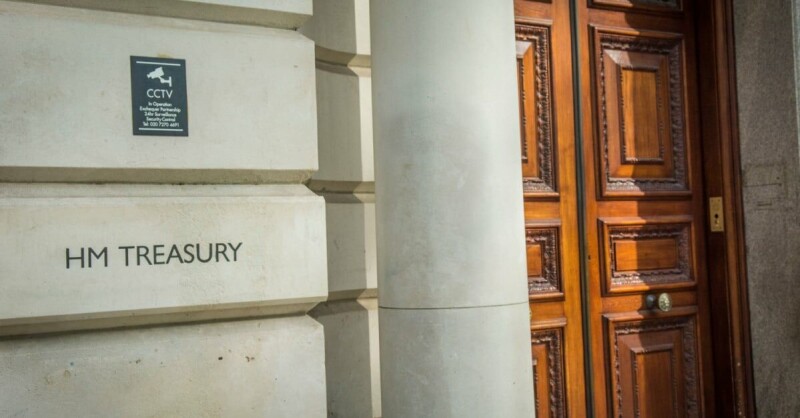
The UK Treasury will not say whether it will join the government's £1.7 billion finance and HR transformation strategy until December despite funding the program for five years. Savings from the so-called Matrix cluster of the shared service strategy are contingent on a bunch of departments – including His Majesty's Treasury (HMT) – adopting cloud-based finance and HR software from Workday. To do so, HMT would have to migrate from its customized version of Oracle Fusion. In a letter to a parliamentary spending watchdog, Jerome Glass, director general for the Future Civil Service at the Cabinet Office, said that following delays to the cluster's rollout of the new software, HMT's decision on whether to join had been put back. The Matrix cluster is led by the Department for Science, Innovation and Technology (DSIT), and includes the Cabinet Office (CO), Department for Energy Security and Net Zero (DESNZ), Department for Culture, Media and Sport (DCMS), Department for Business and Trade (DBT), Attorney General's Office (AGO), Department for Education (DfE), Department of Health and Social Care (DHSC), as well as HMT. In 2024, the Matrix cluster awarded Workday a contract for SaaS finance and HR software and Cognizant a system integration deal with a combined value of £144.3 million. Prime Minister Keir Starmer has told the departments to join their allocated shared service clusters. According to a report from the National Audit Office (NAO), published earlier this year, the Cabinet Office said it does not consider departments' joining shared services to be optional, and "departments cannot make the decision to move or leave a cluster without assessing value for money across government, nor the impact on the business case." Nonetheless, having agreed to fund the program with £1.15 billion since 2021, the Treasury is still making up its mind two years after the Workday contract was signed. In his letter to the Public Accounts Committee, Glass said HMT's accounting officers "must be satisfied that the proposal meets the standards set out in Managing Public Money," a government guide for financial management, "including delivering value for money for the Exchequer as a whole." He said HMT was working jointly with the Matrix program to "develop this evidence base." The plan was that departments in the cluster already using cloud-based systems (DfE and HMT) would not join until after the other departments. "HMT's onboarding has therefore always been planned on a longer timetable. Delays in the Matrix programme have had a knock-on impact on HMT receiving key documents and evidence, subsequently pushing back HMT's formal Accounting Officer sign-off decision," the letter said. The NAO has previously reported that aspects of the shared service program will see their go-live delayed from 2028 to 2029. Glass said HMT expected to receive the majority of the documentation "required to assess feasibility and the cost of service by the end of summer 2026." Provided there are no further delays, DfE and HMT should be able to make an "evidence-based decision" by December, he said. In an update earlier this year, the NAO said HMT and DfE had invested significantly in existing finance, HR, and commercial systems based on modern ERP platforms that are "highly configured to accommodate their requirements." Joining the Matrix shared service would "mean loss of some functionality as they seek to converge on data and processes and will have to bear an 'unnecessary cost' to develop their new processes," it said. The spending watchdog also pointed out that the Matrix cluster's business case includes the participation of both DfE and HMT in its financial assumptions. A "sensitivity analysis" revealed a reduction in the program's expected benefits from £185 million to £109 million if the two departments did not join. HMT disputed the calculations, the NAO said. HMT has provided funding for the whole shared service program for the spending review period up to and including the 2028-29 financial year. There are five clusters to the program, including Matrix, covering all Whitehall departments and arm's-length bodies, which have signed contracts totaling around £1.7 billion, some extending beyond the spending review period. Glass's letter said the clusters forecast that benefits from the Shared Services for Government Strategy would reach £4.37 billion over 15 years, broken down into £1.4 billion cashable benefits and £2.98 billion of non-cashable benefits. If the forecasts prove correct, it would be a good deal for the UK taxpayer. Some of the savings, though, will depend on HMT's willingness to join a program it agreed to fund. ®

VK: Voorpagina

Volkskrant.nl biedt het laatste nieuws, opinie en achtergronden

Baauer, bekend van ‘Harlem Shake’, wilde een plaat vol ‘happy music’. Maar het is geen onverdeelde blijdschap

‘Bitch’ doet soms denken aan de geweldige Lizzo van weleer, maar het album overtuigt niet over de hele linie

WK voetbal stoot recordhoeveelheid CO2 uit: bijna twee keer zo vervuilend als eerdere edities

Ibrahim Maalouf bewijst op ‘Trumpets of Michel-Ange’ dat hij in elke muzikale taal een feestje kan bouwen

Na nieuwe Amerikaanse aanvallen op Iran komen landen met tegenstrijdige verklaringen

Hydrangea(Ajisai-flower)

etsu2 has added a photo to the pool:

Hydrangea(Ajisai-flower)

The Guardian

Latest news, sport, business, comment, analysis and reviews from the Guardian, the world's leading liberal voice

Wolves sack Rob Edwards and target Portuguese manager César Peixoto

  • Head coach failed to save club from relegation

  • Wolves have signed Kieran Trippier and Raúl Jiménez

Wolverhampton Wanderers have sacked Rob Edwards, the former Middlesbrough head coach they hired last November, after he was unable to guide the struggling Midlands club to Premier League safety.

Edwards signed a three-and-a-half year deal when he was appointed and took over Wolves following the sacking of Vítor Pereira, now the Nottingham Forest head coach. Edwards took over with the club bottom of the Premier League with two points from 11 matches and was unable to improve their position. Wolves were relegated in April after an eight-year spell in the top tier.

Continue reading...