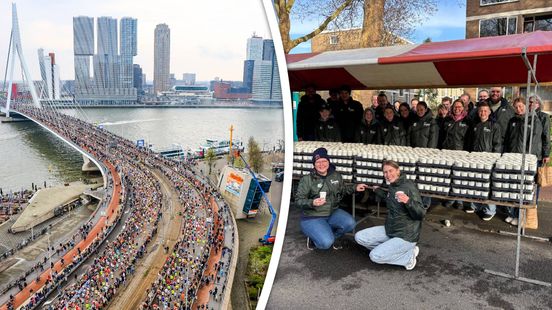
Het is 12 april 2026 en daarmee is de 45ste editie van de NN Marathon Rotterdam officieel van start. In dit liveblog houden we je op de hoogte van het leukste en mooiste nieuws, zowel in als rond het parcours van De Mooiste.



De verleiding is groot om de opkomst van Péter Magyar te zien als een klassieke regimewissel. Zestien jaar Viktor Orbán en Fidesz zouden eindigen, de illiberale staat wordt ingeruild voor iets wat weer meer op een democratie lijkt, en Brussel kan opgelucht ademhalen. De realiteit oogt aanzienlijk weerbarstiger.
De cijfers voeden de illusie van een breuk. Peilingen suggereren dat Magyar met zijn Tisza-partij zelfs een tweederdemeerderheid kan halen, voldoende om grondwet en instituties te hervormen. Tegelijk erkennen vrijwel alle analisten dat het systeem dat Orbán heeft opgebouwd diep verankerd is in media, rechtspraak en economie. Dat systeem verdwijnt niet automatisch bij een verkiezingsverlies.
En daar zit het eerste probleem. Hongarije functioneert al jaren als wat politicologen een verkiezingsautocratie noemen: verkiezingen bestaan, terwijl het speelveld structureel scheef en anti-democratisch is. Onder Orbán is de rechterlijke macht uitgehold, media geconcentreerd in handen van de staat en bevriende oligarchen, en het kiesstelsel aangepast ten gunste van de zittende macht. Dat zijn geen beleidskeuzes die je met één verkiezing terugdraait; het zijn infrastructuren van macht.
Het tweede probleem is persoonlijker: Magyar zelf. Hij presenteert zich als breuk met het systeem, terwijl hij er rechtstreeks uit voortkomt. Hij was jarenlang insider binnen Fidesz en kent de mechanismen van binnenuit. Dat maakt hem electoraal aantrekkelijk, omdat hij geloofwaardig kan spreken over corruptie. Het roept tegelijk een andere vraag op: waarom zou iemand die in dat systeem functioneerde het fundamenteel ontmantelen, in plaats van het zelf te gaan gebruiken?
Daar komt bij dat zijn politieke profiel opvallend vaag blijft op cruciale punten. Analyses van zijn positie laten zien dat hij zich grotendeels op de vlakte houdt over rechtsstaatkwesties en geopolitieke keuzes. Zijn campagne draait om corruptie en economische stagnatie, nauwelijks om institutionele herbouw. Dat is electoraal logisch, institutioneel weinig belovend.
Zelfs in het meest optimistische scenario stuit een nieuwe regering op een derde probleem: de staat zit vol met loyale benoemingen. Sleutelposities in rechtbanken, toezichthouders en media zijn bezet door Orbán-getrouwen met lange mandaten . Zonder tweederdemeerderheid blijven die zitten; met zo’n meerderheid ontstaat de verleiding om dezelfde machtsinstrumenten simpelweg van eigenaar te laten wisselen.
En dat is precies het risico. De Hongaarse staat is de afgelopen jaren ingericht als een politiek instrument, geen neutrale infrastructuur. Wie die staat erft, erft ook de mogelijkheid om tegenstanders te marginaliseren, media te sturen en economische netwerken te bevoordelen. Dat systeem heeft een ingebouwde logica: het loont om het te behouden.
De ironie is dat Magyar daardoor tegelijk de grootste kans op verandering en de grootste garantie op continuïteit vertegenwoordigt. Hij kan Orbán verslaan omdat hij op hem lijkt: conservatief, pragmatisch, bereid tot machtspolitiek, en niet fundamenteel ideologisch gebonden aan liberale instituties. Zijn belofte om Hongarije “terug te brengen naar Europa” klinkt concreet zolang het over EU-geld gaat; zodra het over onafhankelijke rechtspraak of mediapluralisme gaat, wordt het stil.
De conclusie ligt daarmee voor de hand. Een overwinning van Magyar zou een politieke aardverschuiving zijn. De kans dat het ook een institutionele breuk oplevert ligt aanzienlijk lager. Hongarije kan van bestuurder wisselen zonder van systeem te veranderen. In het slechtste geval verandert alleen de naam op de deur van hetzelfde ondemocratische machtsapparaat.
Photographer Vanessa Vettorello’s project Wandering Star investigates double vision, an often misunderstood and complex condition that is rarely discussed openly
Imagine a world where judging distance is a daily struggle and the simple act of pouring water into a glass requires intense concentration. At a school volleyball game, you see the ball and run for it, but you are always a moment too late.
Diplopia means double vision. It’s a medical term and it’s defined as seeing two images of a single object when you’re looking at it. The most common cause of binocular double vision is eye muscle misalignment. Strabismus may be present all the time (constant) or occur on and off (intermittently). Usually, if strabismus starts in early childhood, double vision does not occur. Children will typically learn how to ‘turn off’ or ignore the double image when the eye misalignment is present. This is called suppression. In my case, even if it started very early, my vision was double and blurred, like in this image I created (above).
Continue reading...On the north coast of Spain you can see some of the world’s oldest art, explore a stunning medieval village, then watch surfers ride Atlantic swells
Exploring the area west of Santander feels like being in a time machine. Within a half-hour drive of the Cantabrian capital on Spain’s green northern coast, you can stumble upon prehistoric cave art, a perfectly preserved medieval town and a laid-back beach resort.
When I began my weekend trip, it was raining, so my journey started in the Upper Paleolithic period, at the Cave of Altamira, a Unesco world heritage site, staring up at some of the oldest art on Earth. Well, almost. The original cave was largely closed to the public decades ago to protect the fragile paintings, so we were inside the Neocueva, a painstakingly reconstructed replica built beside it that costs just €3 to enter.
Continue reading...The Circulation(s) photo festival has returned to Paris for its 16th edition. On show are works by 26 young European photographers. The projects capture the pulse of young European photography, its intuitions, challenges and commitments
Circulation(s) will take place at the Centquatre-Paris from 21 March to 17 May 2026
Continue reading...Fraudsters send emails claiming storage is full or nearly full, then trick people into clicking on links that can expose bank and personal details
For a while you’ve been getting messages from Apple saying “your iCloud storage is full”. They say you have exceeded your storage plan, so documents are no longer being backed up, and photos you take aren’t being uploaded.
You have been resisting Apple’s efforts to get you to pay a minimum of 99p a month for more storage. But it seems that you can’t keep putting off the inevitable: you have received an email which says your iCloud account has been blockedand your photos and videos will be deleted very soon. To keep them you need to upgrade immediately, it says.
Continue reading...Rightwing leader trails in polls to Péter Magyar, despite support from JD Vance on recent visit
Hungarians are heading to the ballot boxes to vote in a hard-fought parliamentary election that could oust Viktor Orbán after 16 years in power and potentially reshape the central European country’s relations with the EU, Moscow and Washington.
In the campaign, Orbán – the EU’s longest-serving leader – has trailed in the polls as he faces an unprecedented challenge from Péter Magyar, a former elite member of Orbán’s Fidesz party.
Continue reading...