As the build-up continues to the new season, we wondered how often the team that tops testing goes on to the win the Constructors' Championship. We asked the Formula 1 data analysts to have a look, and they came back with some interesting conclusions.
(Love/BMG)
Squeeze’s first new album in nearly a decade is based on material written when they were teenagers. It’s endearing but callow
In interviews to promote their 16th album, Chris Difford and Glenn Tilbrook have been upfront about the reason for its existence. After the world shrugged at The Knowledge in 2017, someone told Tilbrook: “‘Nobody is interested in a Squeeze record. What matters is Squeeze’s story.’ That stayed with me,” he says.
So not only does Trixies contain a story – it’s a concept-album-cum-musical about a fictional nightclub – but there’s also a great tale around the album. It was written when Difford and Tilbrook were teenagers in 1974 but left unrecorded because they couldn’t properly play the songs they had written. It’s both a new record and something for the fans who always want the old stuff.
Continue reading...Experts say government’s shutdown means civilians are not seeing evacuation warnings before bombs hit
As US and Israeli bombs continue to rain down on Iran, civilians are enduring the bombardment in the dark – cut off from comprehensive information about where strikes have happened, which medical facilities are affected and where new rounds of bombings are about to occur.
As state media broadcasts limited or contradictory information about airstrikes, and evacuation orders from the attacking countries remain invisible to most civilians, the internet shutdown risks worsening the human toll of the war, human rights groups say.
Continue reading...
Het risico is dat de kritiekloze wetenschapsverering omslaat naar het tegenovergestelde: wetenschap als vijand, stelt Rosanne Hertzberger.
:format(jpeg):fill(f8f8f8,true)/s3/static.nrc.nl/taxonomy/c309ebf-Hertzberger%2520Rosanne%25202025%252001%25201280.png)
Minister Hermans (Zorg, VVD) houdt voorlopig vast aan haar plannen die 10 miljard euro moeten opleveren, tot teleurstelling van de oppositie. „Dit zijn ridicule plannen. Die gaan we torpederen.”
/s3/static.nrc.nl/wp-content/uploads/2026/03/04130757/050326DEN_2031477535_hermans.jpg)
In 2017, city planner Jeff Speck gave a talk on the four ways to make a city more walkable:
In the typical American city, in which most people own cars and the temptation is to drive them all the time, if you’re going to get them to walk, then you have to offer a walk that’s as good as a drive or better. What does that mean? It means you need to offer four things simultaneously: there needs to be a proper reason to walk, the walk has to be safe and feel safe, the walk has to be comfortable, and the walk has to be interesting.
I know Speck is talking about cities here, but these four rules — useful, safe, comfortable, and interesting — get at something about living in rural Vermont that I’ve always had trouble articulating: for a place that’s so outdoors-oriented with so many trails and places to hike, a good walk can be difficult to find. I can walk out my door to take a walk that’s sorta safe (walking against traffic on the side of the road — some assholes don’t slow down or move over that much). Comfort is variable: cars kick up dust and my house is surrounded by pretty steep hills. I can’t really walk to anywhere useful, and there aren’t too many possible routes so the interest of the scenery, though beautiful in the summer, gets stale. So then I’m left with driving somewhere to walk, which always just bums me out.
Anyway, this explains why every time I get to walkable city (Tokyo, Rome, NYC, Paris), I am instantly like, yes!! This! This is a walk.
Related reading: Speck is the author of Walkable City (Amazon) and Walkable City Rules (Amazon). (via paul stout)
Tags: books · Jeff Speck · video · Walkable City · Walkable City Rules · walking
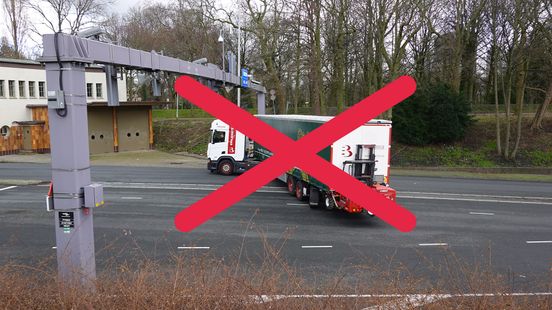
Nog maar zelden gaan de slagbomen dicht bij de Maastunnel omdat een te hoge vrachtwagen moet omkeren. Het aantal tunnelsluitingen door te hoge trucks is het afgelopen jaar met 75 procent gedaald, blijkt uit een analyse van de gemeente Rotterdam. Dat komt door de verlaging van de doorrijhoogte met 10 centimeter. In de praktijk komt dat neer op een vrachtwagenverbod.
Plots succes, aandacht of macht kan mensen veranderen. Soms zo sterk dat hun gedrag begint te lijken op narcisme. Psychologen spreken in zulke gevallen van aangeleerd of situationeel narcisme.
Het fenomeen beschrijft hoe ogenschijnlijk gewone mensen een opgeblazen ego kunnen ontwikkelen zodra hun status plotseling stijgt. Denk aan iemand die viraal gaat op sociale media, een grote promotie krijgt of plots rijk wordt. De nieuwe positie kan ervoor zorgen dat zelfvertrouwen omslaat in zelfverheerlijking.
Volgens psychologen komt dit vooral voor in culturen waar prestaties, zichtbaarheid en status sterk worden beloond. Sociale media spelen daarbij een grote rol: likes, volgers en online aandacht kunnen het gevoel versterken dat iemand bijzonder of belangrijker is dan anderen.
Van zelfvertrouwen naar zelfoverschatting
Een tijdelijke golf van zelfvertrouwen is op zichzelf niet vreemd. Mensen die jarenlang met onzekerheid hebben geworsteld kunnen juist opbloeien wanneer ze erkenning krijgen. Vaak stabiliseert dat na verloop van tijd weer.
Maar soms slaat het door. Omstanders merken dan dat iemand steeds meer op zichzelf gericht raakt, minder empathie toont en kritiek moeilijker accepteert. In extreme gevallen kunnen relaties onder druk komen te staan.
Online verhalen illustreren dat effect. Mensen beschrijven hoe vrienden of partners veranderden nadat ze plots beroemd werden op TikTok of veel geld verdienden. Sommigen keren na verloop van tijd terug naar hun oude zelf, maar anderen blijven langdurig egocentrischer of dominanter.
De psychologie achter het effect
Psychologisch gezien is het mechanisme niet ingewikkeld. Positieve aandacht werkt als een beloning voor het brein. Het versterkt gedrag dat bewondering oplevert en kan mensen gevoeliger maken voor complimenten en status.
Daarnaast speelt een bekend psychologisch verschijnsel mee: moral licensing. Mensen die succes hebben of zichzelf als “goed” zien, voelen zich soms onbewust gerechtvaardigd om zich minder netjes te gedragen.
Bij mensen met al bestaande narcistische trekken kan succes die eigenschappen verder versterken. De externe bevestiging versterkt dan hun overtuiging dat ze bijzonder zijn.
Het verschil tussen een tijdelijk ego-boost en echt narcisme zit volgens psychologen in wat er daarna gebeurt. Wanneer iemand na verloop van tijd weer empathie toont, kritiek accepteert en relaties belangrijk blijft vinden, was het waarschijnlijk een tijdelijke uitvergroting van het ego.
Blijft het gevoel van superioriteit bestaan, dan kan er sprake zijn van diepere narcistische trekken.
Succes hoeft dus niet te corrumperen, maar kan wel een vergrootglas zijn voor de persoonlijkheid. Uiteindelijk blijkt vaak hetzelfde: wie stevig in zijn schoenen staat, blijft ook met applaus relatief met beide benen op de grond.
Bron: Psychology Today