Wel.nl

Minder lezen, Meer weten.

Rapport: kabinet zal iets moeten doen aan hypotheekrenteaftrek

Het kabinet zal aan de slag moeten met de hypotheekrenteaftrek, ondanks de afspraak in het coalitieakkoord om "de fiscale behandeling van de eigen woning" ongemoeid te laten. De problemen rond de dertigjaarstermijn vragen daarom, schrijven ambtenaren van het ministerie van Financiën in een rapport. Niets doen lijkt de goedkoopste oplossing, maar leidt tot oneerlijke uitkomsten. Alle mogelijke oplossingen hebben grote voor- én nadelen.

Sinds 2001 is de fiscale aftrek van hypotheekrente beperkt tot dertig jaar. Er is alleen geen centraal register waar wordt bijgehouden hoe lang mensen hypotheekrenteaftrek hebben genoten. Het is aan belastingplichtigen om op te geven en ook te bewijzen dat zij er nog recht op hebben. De Belastingdienst beschikt evenwel niet over tegenbewijs en kan bovendien niet iedereen controleren, waardoor het kan lonen om niet eerlijk te zijn bij de belastingaangifte.

Minister Eelco Heinen (Financiën, VVD) sprak eerder deze week tegen RTL Z van een tijdelijke situatie. Sinds 2013 moeten alle hypotheken in dertig jaar worden afgelost, zodat het probleem in 2043 uit de boeken zou lopen. Hij leek voor te sorteren op niets doen, omdat de budgettaire gevolgen relatief beperkt zijn. Ambtenaren schatten zo'n 100 miljoen euro per jaar, ervan uitgaande dat veruit de meeste mensen te goeder trouw hun belastingaangifte invullen.

Leenruimte

Daarmee ging hij eraan voorbij dat dan mogelijk slecht gedrag beloond wordt en goed gedrag bestraft. Het recht op hypotheekrenteaftrek heeft daarnaast nu al invloed op de leenruimte van mensen die een nieuw huis willen kopen. Onzekerheid daarover kan leiden tot terughoudendheid bij hypotheekverstrekkers.

Het rapport schetst een aantal opties om het probleem wel op te lossen. Als de renteaftrek voor oude hypotheken per 2031 stopt, levert dit de schatkist juist gemiddeld 1,4 miljard euro per jaar op in de jaren 2031-2043. Maar dan krijgt een deel van de huizenbezitters niet de dertig jaar aftrek waar zij recht op hebben. Varianten met een overgangsregeling raken burgers financieel minder hard, maar vragen veel van hun doenvermogen, omdat zij (een deel van) hun hypotheek moeten oversluiten.

Een tweede optie is de aftrek pas in 2043 voor alle oude hypotheken te beëindigen. Een deel van de huizenbezitters krijgt dan langer aftrek dan eigenlijk zou moeten. Bovendien kost deze oplossing de staatskas gemiddeld 1,4 miljard euro per jaar. Optie drie, een geleidelijke afbouw voor oude hypotheken, is goedkoper maar vraagt dan weer meer van zowel burgers als de Belastingdienst.

ECDC: geen tekenen dat hantavirus op Hondius zich heeft gemuteerd

STOCKHOLM (ANP) - De Europese gezondheidsdienst ECDC heeft geen aanwijzingen dat het hantavirus dat is aangetroffen op de m/v Hondius zich anders gedraagt dan dat het virus normaal gesproken doet. De Franse minister van Gezondheid Stéphanie Rist zei dinsdag dat het nog onzeker was of het virus zich had gemuteerd, maar volgens ECDC-epidemioloog Andreas Hoefer wijst voorlopig niets daarop.

Het hantavirus wordt normaal gesproken overgedragen via knaagdieren. Hoefer stelt dat het nog steeds het waarschijnlijkst is dat het virus ook op die manier aan boord van het cruiseschip is gekomen. Daar zouden besmettingen van mens op mens hebben plaatsgevonden.

Hoefer benadrukt dat het onderzoek nog niet is afgerond, maar hij ziet tot nu toe geen tekenen van een mutatie. Het lijkt niet te gaan om een heftigere of besmettelijkere variant.


Schoten gehoord bij senaat in de Filipijnen

MANILLA (ANP/RTR/AFP) - Bij de Filipijnse senaat zijn woensdag tientallen schoten gehoord. Het is niet direct duidelijk wat er aan de hand is. Mogelijk houdt het incident verband met senator Ronald Dela Rosa, die gezocht wordt door het Internationaal Strafhof (ICC) in Den Haag.

De senator en oud-politiechef verschuilt zich sinds maandag in het senaatsgebouw in Manilla. Hij verklaarde woensdag dat zijn arrestatie aanstaande is. Reuters berichtte daarna dat getuigen militair personeel met wapens bij de senaat hadden gezien. De aanleiding voor die inzet is niet direct duidelijk.

Het ICC beschuldigt Dela Rosa van misdaden tegen de menselijkheid in de zogenoemde oorlog tegen drugs. Oud-president Rodrigo Duterte werd in maart vorig jaar op verdenking van dezelfde misdaden opgepakt en naar Nederland overgebracht, waar het ICC is gevestigd.


The Guardian

Latest news, sport, business, comment, analysis and reviews from the Guardian, the world's leading liberal voice

Gunshots in Philippines senate where senator is holed up to evade arrest

Ronald dela Rosa, accused of crimes against humanity by international criminal court, in standoff with authorities

Gunshots have been fired in the Philippine senate, as a senator who is wanted by the international criminal court (ICC) remained holed up in the building to evade arrest.

Ronald dela Rosa, a Philippine senator accused of crimes against humanity for his role in overseeing the former president Rodrigo Duterte’s “war on drugs”, has spent two nights in the country’s senate in a standoff with the authorities.

Continue reading...

How Michael Jackson’s tarnished image is being cannily rehabilitated

A new biopic has contributed to an atmosphere that casts the late singer as a profoundly damaged figure who is more victim than victimiser

The release of Michael has triggered what can only be described as mass hysteria in some quarters. I looked on in bewilderment as the reception to the film seemed to entirely erase child abuse allegations against the artist, as well as launder almost every aspect of his life beyond that.

This week, I look into what seems like a new generation’s discovery of Jackson, and his rehabilitation through a strange online obsession.

Continue reading...

VK: Voorpagina

Volkskrant.nl biedt het laatste nieuws, opinie en achtergronden

Zeven oplossingen voor 30-jaarstermijn hypotheekrenteaftrek, VVD schuift probleem liever door

Extreem winstgevend en groeiend ASML vermindert aantal gedwongen ontslagen

The Register

Biting the hand that feeds IT — Enterprise Technology News and Analysis

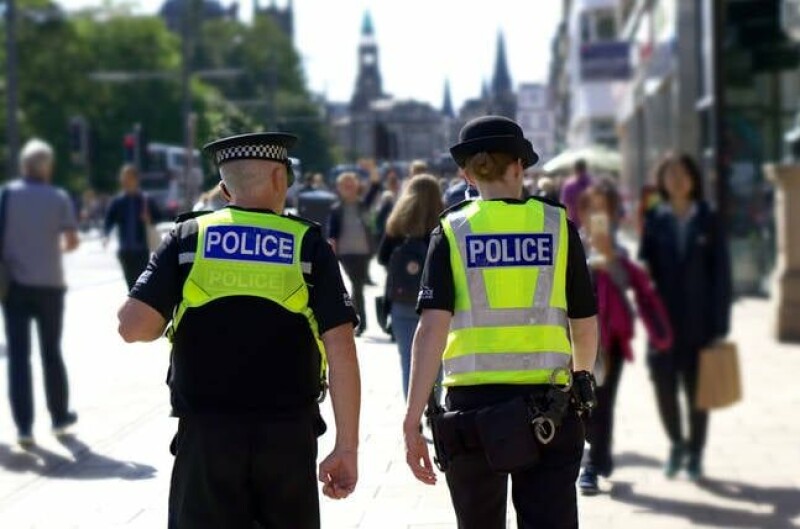
London cops hail fixed facial recognition cams after suspects collared every 35 mins

London's Metropolitan Police Service (MPS) is giving its six-month trial of static live facial recognition (LFR) cameras credit for helping it secure an arrest every 35 minutes. The Met's LFR chief said the results show why LFR is "such a powerful tool" for coppers, who, across 24 operations between October 2025 and March 2026, made 173 arrests. Those arrested included people suspected of kidnapping and sex crimes, as well as others who had evaded law enforcement for decades. Among those 173 arrests was that of a 36-year-old woman who had been wanted by the police after failing to appear at court for an assault in 2004. The Met also arrested a 31-year-old man, wanted for more than six months in connection with voyeurism, and a 41-year-old man suspected of rape in November 2025. Thirty-seven of the total 173 arrests related to those who had breached their court-imposed conditions, the Met said. Nilton Darame, 25, was one of these individuals who had violated his electronic tag conditions and was found by a static camera alert in October last year, say cops. He was arrested on suspicion of intentional strangulation and two counts of assault on an emergency worker. In January, he was sentenced to 18 months in prison. In November last year, the Met continues, Kastriot Krrashi, 35, was clocked by a Croydon LFR camera and stopped by officers on suspicion of breaching his conditions as a registered sex offender. He was later sentenced to six months in prison. Officers were also alerted in January when LFR cameras identified Neville Cohen, 55, who was wanted after failing to attend Croydon Police Station in October 2025, as required by his Sexual Harm Prevention Order (SHPO). The MPS said that after he attempted to flee from officers on the day, he was arrested and later sentenced to four months in prison. Lindsey Chiswick, national and Met lead for LFR, said: "These results show why live facial recognition is such a powerful tool when it's used carefully, openly, and in the right places. Crime in this area is down by more than 10 percent, and the public can see the difference. "This technology is helping us find people wanted by the courts, identify serious offenders quickly, and focus our resources where they make the biggest impact, all with exceptional accuracy. "We will continue using static cameras in Croydon as part of our regular live facial recognition deployments, which play a vital part in keeping London safe." The tech that helped secure these arrests was deployed in Croydon as part of the Met's first trial of fixed LFR cameras. Two cameras were deployed, one at each end of the town's High Street. UK police typically use mobile forms of LFR, such as cameras that sit inside highly visible vans, marked with the usual fluorescent, reflective police decals seen on patrol cars. These are usually situated in high-footfall areas across major towns and cities, and are only activated when the public is given prior warning and during limited hours. Croydon's fixed cameras are instead permanently installed onto existing infrastructure, such as lampposts, but are not running 24/7. Like the LFR vans, they are only activated during defined operational timeframes and when there are police officers in the vicinity. The MPS says that since the fixed cameras are monitored remotely, it frees up LFR vans to be deployed in other parts of the capital. It wouldn't be an LFR announcement without a comment on accuracy. The Met said that more than 470,000 individuals walked past the two Croydon cameras during the trial's operational periods, and only one false positive was registered. That individual was not arrested, and no one has ever been arrested as a result of a false positive LFR flag, the Met added. Ever-controversial tech Despite the accuracy figures cited by the MPS, civil liberties groups consistently campaign against the use of LFR. One of the UK's loudest anti-LFR campaigners, Big Brother Watch, regularly labels the technology "dystopian" and called the permanent Croydon installations "chilling infrastructure." Big Brother Watch recently lost a High Court battle in which it represented anti-knife crime campaigner Shaun Thompson, who received a settlement from the Met after LFR technology wrongly flagged him and officers stopped and questioned him. Thompson claimed he handed officers his passport and bank cards, but they remained unconvinced that the LFR detection was false. He said the technology was tantamount to "stop and search on steroids," referencing the controversial policing tactic. The group tried to curtail the Met's LFR use by arguing it violated several human rights, but the High Court ultimately ruled in the police's favor. ®

NRC wint rechtszaak over podcast ‘Hier hing een schilderij’

Mondex eiste dat de achtdelige podcastserie ‘Hier hing een schilderij’ van Pieter van Os en Emmie Kollau offline werd gehaald en wilde een rectificatie. De rechtbank oordeelde dat de podcast niet onrechtmatig is.

Rijnmond - Nieuws

Het laatste nieuws van vandaag over Rotterdam, Feyenoord, het verkeer en het weer in de regio Rijnmond

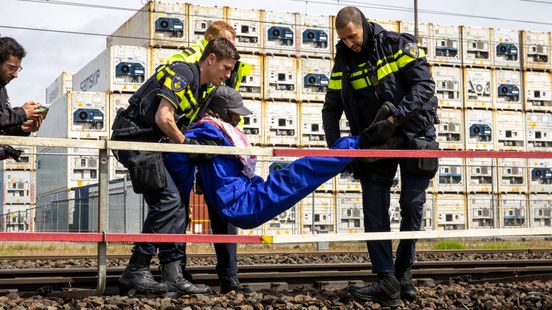
Politie grijpt snel in bij blokkade havenspoor en houdt demonstranten aan

Voor de vijfde dag op rij hebben demonstranten van Geef Tegengas woensdag de havenspoorlijn in Rotterdam geblokkeerd. Duurde de blokkade de afgelopen dagen nog een uur of vier, deze keer greep de politie bewust sneller in en was het spoor na ruim twee uur vrij.