Wel.nl

Minder lezen, Meer weten.

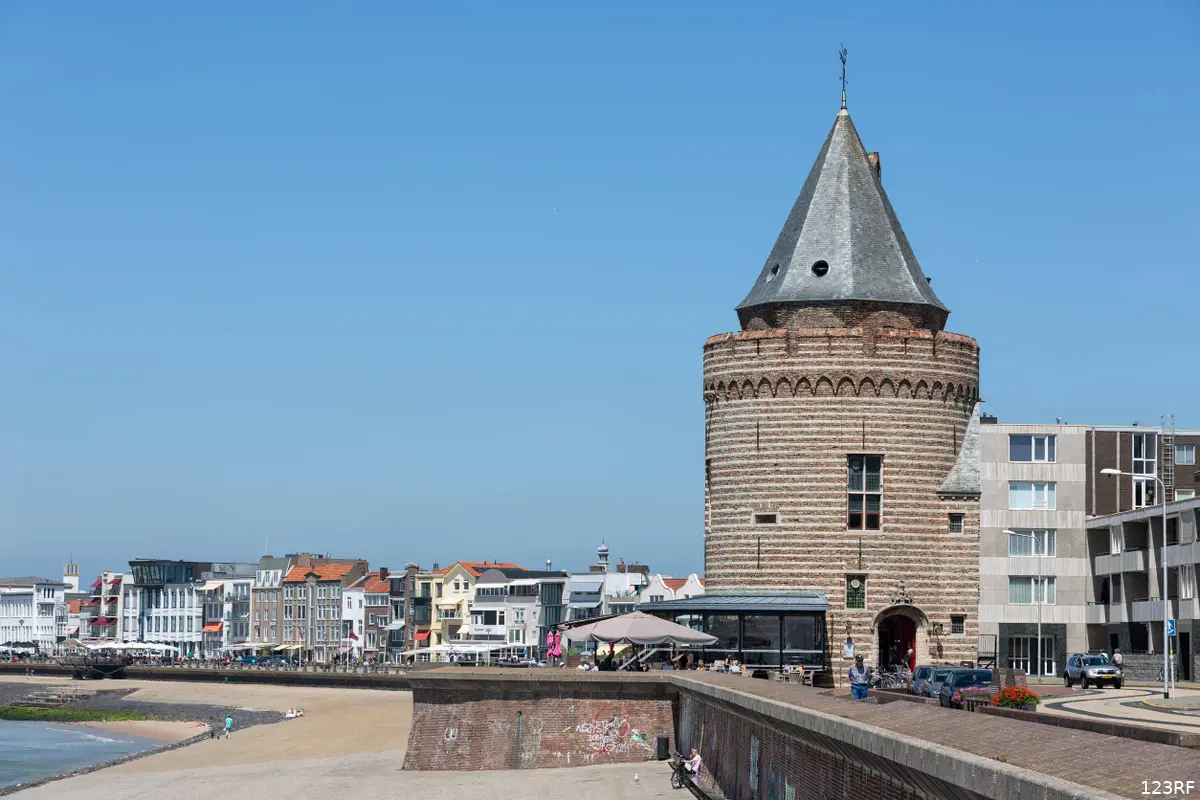
Dit is de zonnigste stad van Nederland

De zon schijnt dit pinksterweekend overal hard, maar dat is niet altijd zo. Sterker nog, de verschillen zijn in Nederland best groot. Klimaatexpert Peter Siegmund van het KNMI vertelt aan het AD waar je het beste kunt gaan wonen als je zoveel mogelijk zon wil in je leven.

"Dan moet je in Zeeland zijn, in Vlissingen om precies te zijn", aldus Siegmund. "Ons station meet daar 1889 zonuren per jaar. Het scheelt wel heel weinig: in De Kooy, ons meetstation bij Den Helder, is het precies één uurtje minder. Dit is gemeten over de standaard klimaatperiode van 1991 tot 2020, dertig jaar lang. Het kan weleens een jaar andersom zijn, maar gemiddeld genomen ‘winnen’ de Zeeuwen."

Je zou misschien verwachten dat het in Maastricht zonniger is, maar dat is absoluut niet zo. "De kuststrook is echt een stuk zonniger dan het binnenland. Maastricht heeft ‘slechts’ 1696 zonuren per jaar. In Deelen op de Veluwe schijnt het minst de zon, met 1644 uur per jaar. Dat komt doordat bij de kust niet zo makkelijk wolken ontstaan", legt de klimaatexpert uit. "Wolken ontstaan doordat warme, vochtige lucht opstijgt, afkoelt en condenseert. Die lucht warmt op boven land, maar dat duurt wel even. Na een paar kilometer, zeg een kwartiertje landinwaarts, stijgt de lucht op en worden de wolken gevormd. Op een verder wat bewolkte dag in de rest van het land is er zo toch vaak zon op de stranden.”

Steeds zonniger

Maar over het algemeen wordt het in Nederland steeds zonniger. "Dat gaat gelijkmatig over heel het land, dus de rangorde blijft hetzelfde. Voor een deel is het klimaatverandering, voor een deel toeval, maar het komt ook doordat de lucht schoner is geworden. De hoeveelheid door de atmosfeer doorgelaten zonnestraling nam toe met ongeveer 4 procent per tien jaar. Dat draagt bij aan de opwarming in Nederland, met name in de lente en zomer."

"En de luchtdruk is hoger, met name in de lente. Daar hoort mooi weer bij en weinig bewolking. Die hogere luchtdruk heeft mogelijk te maken met dat boven de Middellandse Zee een lagedrukgebied ontstaat, omdat het daar in de lente en zomer al snel warm is. Daar warmt ook de aarde meer op dan bij ons. Die warme lucht wil weg en zorgt door de beweging en afkoeling bij ons voor hogere druk, met aanvoer uit het zuiden en oosten van droge lucht met weinig wolken.”

Bron: AD.nl

Rode Kruis zet vijf tenten tegen zon neer voor azc Ter Apel

TER APEL (ANP) - Het Rode Kruis gaat vijf tenten neerzetten voor het aanmeldcentrum in Ter Apel. De tenten zijn bedoeld als beschutting tegen de zon, niet om onder te slapen, zegt een woordvoerder. "Het gaat om open tenten." Naar verwachting worden de tenten rond 14.00 uur geplaatst.


The Moscow Times - Independent News From Russia

The Moscow Times offers everything you need to know about Russia: Breaking news, top stories, business, analysis, opinion, multimedia

Trump’s White House Ballroom Commissioner to Attend Putin’s Speech at St. Petersburg Economic Forum

Rodney Mims Cook Jr. told Russian media that the State Department cleared his participation at SPIEF, which is scheduled to take place from June 3 to June 6.

De toekomst is altijd al waardeloos geweest

Zo slecht als nu heeft de wereld er toch nog nooit voorgestaan? Niets van waar, schrijft Florence Gaub: de mensheid heeft de toekomst altijd al somber ingezien. En precies daarom zoekt ze naar betere oplossingen. Een korte leidraad voor optimisme.

Rijnmond - Nieuws

Het laatste nieuws van vandaag over Rotterdam, Feyenoord, het verkeer en het weer in de regio Rijnmond

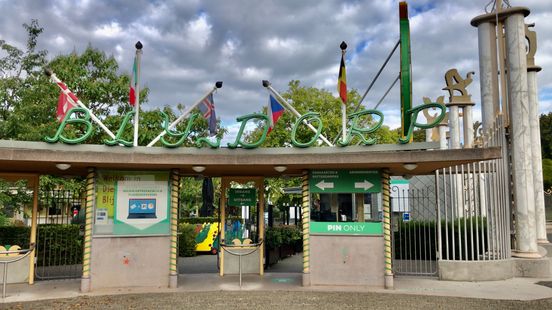
Jongeren op de vuist in Diergaarde Blijdorp

Diergaarde Blijdorp heeft donderdag twee schoolklassen de dierentuin uitgezet na een vechtpartij. Twee groepen jongeren uit Delft gingen met elkaar op de vuist. Daar waren tussen de dertig en zestig jongeren bij betrokken.

Politie laat zich bewust phishen, zes mannen opgepakt

De politie in Haarlemmermeer heeft zes verdachten aangehouden voor phishing. Zij komen onder meer uit onze regio. De politie liet zich bewust phishen door de verdachten.

Mannen in volle bus met veiligheidshamer in elkaar geslagen

Drie mannen zijn in een volle bus bij bushalte Zuidplein (Rotterdam-Charlois) in elkaar geslagen door een groep van vier mannen. De slachtoffers werden geschopt en geslagen en raakten daarbij gewond. Ook een vrouw die ernaast zat werd geraakt. De politie kon later vier verdachten aanhouden.

VK: Voorpagina

Volkskrant.nl biedt het laatste nieuws, opinie en achtergronden

Gouden Strop naar Michael Berg voor zijn ‘Mergelthriller’

The Register

Biting the hand that feeds IT — Enterprise Technology News and Analysis

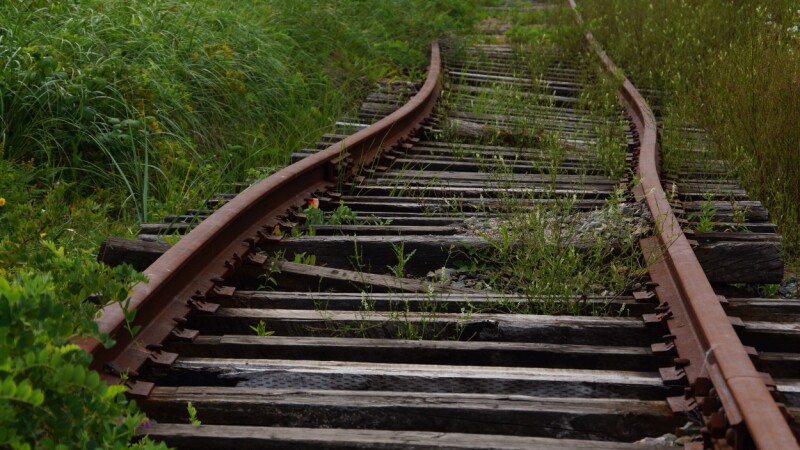
Irish Rail writes down €50M after train IT project goes off the rails

Irish Rail has quietly written off €50 million on a troubled train traffic management system that now appears headed for the same graveyard as many ambitious public-sector IT projects before it. The State-owned rail operator no longer has confidence the new Traffic Management System can be rolled out across Ireland’s rail network as originally planned, according to reporting by The Irish Times. The system was supposed to modernize how train movements are managed nationwide as part of the wider National Train Control Centre project. Instead, the project has become the latest addition to Ireland’s increasingly crowded museum of expensive state IT mishaps. Irish Rail has now reportedly reduced the carrying value of the asset by €50 million in its 2025 accounts, after years of delays, technical concerns, and apparent doubts over whether contractor Indra can deliver a workable system at all. The system was initially expected to cost less than €20 million and launch last year, before the usual gravitational forces affecting large public sector IT projects took hold. The controversy quickly landed before Ireland’s Public Accounts Committee, where lawmakers sounded distinctly unsurprised to discover another large public-sector technology project eating tens of millions of euros. John Brady, chair of Ireland’s Public Accounts Committee, called the situation “quite simply unbelievable” and questioned how the project had been allowed to “slowly drift, with more and more public money being spent every single day.” Brady also warned the failure could have broader implications for Ireland’s rail expansion plans, raising “massive questions about the governance, ministerial oversight and financial control in place on the project.” Aiden Farrelly, an Irish Social Democrats politician who sits on the PAC, said the debacle created “a growing sense of Groundhog Day” around Irish public sector IT projects. “While more information has yet to emerge about this specific case, it’s fair to conclude that, when it comes to IT projects, the State simply can’t manage them,” Farrelly said in a statement. Farrelly also called for greater involvement from Ireland’s Office of the Government Chief Information Officer, arguing the agency should play a more hands-on role overseeing major state technology projects rather than leaving accountability entirely to individual public bodies. Meanwhile, Sinn Fein’s Pearse Doherty called the writedown a “national scandal” and accused the government of treating taxpayer money “as if it were Monopoly money” during a heated Dáil exchange. The Public Accounts Committee is now expected to summon Irish Rail, the National Transport Authority, and government officials for further questioning over the potential collapse of the project. The timing is awkward for Ireland’s broader rail expansion ambitions, which already face mounting scrutiny over costs, delays, and delivery risks across projects including MetroLink, DART+, and the perpetually delayed Navan rail line.®

The Guardian

Latest news, sport, business, comment, analysis and reviews from the Guardian, the world's leading liberal voice

Electoral reform and reversing Brexit: they’re more connected than you might think | Tom Baldwin

Labour’s emerging leadership contest is reopening the EU debate. But if we want to rejoin, Britain needs a more European voting system first

Nowhere is an anniversary more relished than in newspapers. As we approach the 10-year mark since Britain voted for Brexit, countless column inches would no doubt have been reserved for this purpose anyway. Yet the prospect of a Labour leadership contest, at a time when polls are showing four-fifths of the party’s voters at the last election and an even higher proportion of its members want to reverse that June 2016 referendum decision, is transforming what might have merely been melancholic reflection into a more active debate.

Keir Starmer last week made a belated nod to one of his party’s deepest desires by saying that he, too, wants to put the UK back at “the heart of Europe”, even if it was still unclear exactly what he meant. Then Wes Streeting sought to revive faltering ambitions to be the next prime minister with a call for full re-entry into the EU, although he was similarly vague about when that might happen. Meanwhile, Andy Burnham was busy rowing back from a previously expressed hope of rejoining at some undisclosed point in his lifetime, perhaps because he won’t get a shot at Downing Street unless he first wins next month’s byelection in Makerfield, where a majority supported Brexit a decade ago.

Tom Baldwin is the author of Keir Starmer, The Biography

Continue reading...