The Guardian

Latest news, sport, business, comment, analysis and reviews from the Guardian, the world's leading liberal voice

Summer Game Fest highlights: 34 new video games to look out for, from Alien Isolation to Crazy Taxi

Hundreds of video games were shown at June’s annual bonanza. After watching more than 15 hours of showcases, our video games editor picks the highlights

The sequel to a revered 2014 horror game from British developer Creative Assembly: this time you must evade the xenomorph on the surface of a storm-ravaged colony world.

Continue reading...

‘Severe’ stress on oceans as rate of sea level rise doubles in 10 years, UN warns

Global effort needed to limit effects of pollution, industrial fishing and climate crisis, World Ocean Assessment says

The world’s oceans are under “severe and accelerating” pressure from human activities, with the rate of sea-level rise double that of a decade ago, according to a damning assessment from the United Nations.

The “intensifying” stressors, which include pollution and large-scale industrial fishing, are cumulative, said the report, resulting in widespread biodiversity loss and putting ocean systems under “severe strain”.

Continue reading...

WSL2 side Durham warn they will ‘cease operations’ without cash injection in 21 days

  • ‘Do not have sufficient funds to operate in 26-27 season’

  • Talks with potential investors ‘have fallen away’

Durham, the Women’s Super League 2 side, have issued an urgent plea for funding and warned that they will have to “cease operations” if they cannot find fresh investment within the next 21 days.

The independently run club, who are not affiliated to a professional men’s side, have been competing in the second tier of the English women’s football pyramid for 12 years, but say their owners can “no longer keep pace” with the women’s game’s development.

Continue reading...

VK: Voorpagina

Volkskrant.nl biedt het laatste nieuws, opinie en achtergronden

Grensoverschrijdend gedrag in muzieksector nog steeds schering en inslag, ondanks bewustwording

Rijnmond - Nieuws

Het laatste nieuws van vandaag over Rotterdam, Feyenoord, het verkeer en het weer in de regio Rijnmond

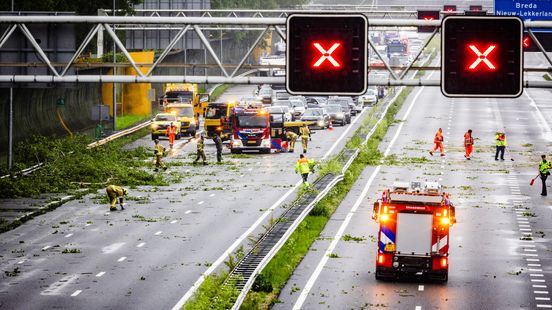
Snelweg bezaaid met takken en lange tijd in beide richtingen dicht

De A15 is maandag ten hoogte van Papendrecht lange tijd in beide richtingen afgesloten geweest, omdat de weg bezaaid lag met takken. De hulpdiensten waren druk bezig om de boel op te ruimen, maar dit duurde enkele uren. Inmiddels is de weg weer vrij.

Snelweg bezaaid met takken en in beide richtingen dicht

De A15 is ten hoogte van Papendrecht in beide richtingen afgesloten, omdat de weg bezaaid ligt met takken. De hulpdiensten zijn bezig om de boel op te ruimen, maar hoe laat de snelweg weer vrijkomt, is nog niet bekend. Op beelden is te zien dat er een enorme rij aan voertuigen achter de takkenbende staat.

Wel.nl

Minder lezen, Meer weten.

Heerma roept overheden op te kijken naar eigen discriminatie

DEN HAAG (ANP) - Minister Pieter Heerma van Binnenlandse Zaken wil dat overheden kijken naar mogelijke discriminatie bij hun eigen werk. Hij roept hen op om zich te melden voor de zogeheten discriminatietoets, een middel voor overheidsorganisaties om risico's op discriminatie op te sporen.

Het discriminatieonderzoek voor overheden is bedacht door de Staatscommissie tegen Discriminatie en Racisme, die deze maandag haar eindrapport presenteerde. Daarin staat dat de overheid nu vooral reageert op incidenten met discriminatie, in plaats van die actief te voorkomen. De staatscommissie wil dat Heerma "concrete en meetbare doelen" opstelt voor het gebruik van de discriminatietoets.

De CDA-minister gaat later uitgebreider in op de adviezen van de staatscommissie, maar voor nu houdt hij het bij zijn oproep. Eerst wil Heerma meer ervaring opdoen met de discriminatietoets, verklaart hij. Ook denkt hij dat overheden serieuzer bij zichzelf gaan kijken naar discriminatie als ze het vrijwillig doen dan als het verplicht wordt. "Er is veel enthousiasme om ermee aan de slag te gaan."


Supermarkten waarschuwen: boodschappen 10 procent duurder

De brancheorganisatie van supermarkten, het Centraal Bureau Levensmiddelenhandel (CBL), heeft het kabinet een brandbrief gestuurd over een “enorme inflatiegolf” bij voedsel. Volgens het economisch bureau van Rabobank liggen de prijzen van voedingsmiddelen eind dit jaar al zo’n vijf procent hoger dan een jaar eerder, om medio 2027 op bijna tien procent voedselinflatie uit te komen.

Supermarkten zeggen dat klanten dat in elk gangpad gaan voelen: van brood en groente tot frisdrank en snacks.

Oorlog, olie én Den Haag

Een deel van de prijsstijging wordt veroorzaakt door factoren waar Den Haag weinig greep op heeft.

De oorlog in het Midden-Oosten jaagt brandstof- en energieprijzen op, en die hogere kosten komen uiteindelijk terecht in de supermarktprijzen.

Daarnaast investeren supermarkten in duurzaamheid, gezondheid en statiegeldsystemen, wat de kostprijs verhoogt, maar volgens de sector ook minder milieubelastende producten oplevert.

Waar de supermarkten vooral boos over zijn, zijn nieuwe en geplande overheidsmaatregelen die de rekening extra verhogen.

Dit maakt je kar extra duur

In de brandbrief zet het CBL een serie maatregelen op een rij die direct in de prijzen zouden doorwerken.

  • Een suikertaks op suikerhoudende dranken en producten
  • Een vrachtwagenheffing voor transport
  • Extra energieheffingen
  • De verhoging van het minimumloon en het minimumjeugdloon
  • Extra nationale regels bovenop Europese wetgeving

Volgens de supermarkten hebben al deze maatregelen één gemeenschappelijk effect: ze maken de bedrijfsvoering duurder zonder dat de klant daar direct iets voor terugkrijgt, behalve een hogere kassabon.

Het minimumloon is sinds januari 2020 al met 39 tot 54 procent gestegen, terwijl de cao-lonen in het bedrijfsleven met 30 procent omhoog gingen. Per 1 juli stijgt het minimumloon naar 15 euro per uur, waar dat eerder nog rond de 10 euro lag.

Minimumloon als breekijzer

De snelle loonstijging zorgt voor forse spanningen binnen het bedrijfsleven. Grote ketens als Ahold en Jumbo zegden hun lidmaatschap bij werkgeverskoepel VNO-NCW op omdat die volgens hen te weinig tegen de minimumloongolf heeft gelobbyd.

Ook economen plaatsen kanttekeningen. Hoogleraar Arnoud Boot noemt de combinatie van hoge lonen, dure energie, hoge huren en administratieve lasten “zeer frustrerend” voor ondernemers. Retaildeskundige Paul Moers waarschuwt voor een “eindeloze inflatiespiraal”, waarin hogere lonen weer leiden tot hogere prijzen, die vervolgens opnieuw tot looneisen leiden.

De Rabobank rekent voor dat van de verwachte voedselinflatie in 2027 zo’n 0,5 tot 1 procentpunt direct is toe te schrijven aan de verhoging van het jeugdloon.

De rekening voor de consument

Ondertussen merken consumenten de prijsdruk al dagelijks in hun mandje. In de reacties onder het artikel bij De Telegraaf schrijven lezers dat boodschappen “onbetaalbaar” worden en geven ze voorbeelden van saladebakjes en broodjes die in korte tijd fors duurder zijn geworden.

Het kabinet zegt bereid te zijn om extra koopkrachtsteun te geven, maar het CBL vraagt vooral om een pauze in nieuw beleid dat de prijzen verder opdrijft. Volgens de supermarkten zou die brandbrief er zonder oorlog en energiecrisis niet zijn geweest, maar is er nu alle reden om prijsverhogende maatregelen uit te stellen.

Als Rabobank gelijk krijgt, staat de Nederlander de komende anderhalf jaar voor een ongemakkelijke rekensom: ofwel minder in het karretje, ofwel meer aan het eind van de maand naar de supermarkt.

Wil je dat ik deze tekst nog explicieter toespits op jouw lezers (bijvoorbeeld met een kopje “Wat betekent dit voor jouw portemonnee?” en enkele concrete productvoorbeelden)?

Grootste werkgeverslobby minder groot: detailhandel stapt uit VNO-NCW

Heeft werkgeversorganisatie VNO-NCW de afgelopen jaren wel goed gezorgd voor alle ondernemers in Nederland – van de multinational tot de buurtsuper om de hoek? Nee, zeggen de supermarkten. En daarom verlaten ze de werkgeverskoepel.


The Register

Biting the hand that feeds IT — Enterprise Technology News and Analysis

Canonical sends Ubuntu into the AI agent era

UBUNTU SUMMIT Canonical is still experimenting with the format of the Ubuntu Summit series of free conferences, and its most recent instance, the 26.04 edition, was a primarily online event. There was a small in-person invited audience, which by our informal estimate was about half the size of the one at last October's edition. The event opened with a keynote from Canonical founder Mark Shuttleworth, and his opening sentence set the tone for much of what would follow: The agentic revolution will touch every aspect of human endeavor. We take that to mean the use of LLM "agents" to develop software, translate between human languages and from speech to text, and so on. For all that this vulture might personally dispute just how revolutionary this is, there were some 21 full-length talks over the two days of the summit, and about half of them were about AI, or at least touched upon the subject. Shuttleworth's keynote also contained the biggest Canonical product announcement of the event: the new Workshop sandboxed LLM development environments (at the 20-minute mark in the video above). Workshop uses Canonical's LXD "containervisor" and snap packaging to make it easy to install and run LLM agents, while keeping them isolated in sandboxes so that they can only access specific limited resources in that user's home directory. For instance, they can access the machine's GPUs and nominated local files, while being walled off from personal data such as stored credentials. As Shuttleworth put it: You can run random code, from the internet, on your laptop, without handing it root. Canonical also announced Workshop online the same day, with a collection of documentation already available, including a tutorial. Workshop is an open source project with the source code on GitHub. Later that day, engineering manager Dmitry Lyfar gave a talk on the new tool, titled Introducing Workshop. Shuttleworth's keynote was followed by another by VP of engineering Jon Seager. As we reported last month in our article on AI integration into Ubuntu and Fedora, Seager recently published a blog post about the company's AI intentions. In his keynote, Seager said that this post had been "SEO'd to death," but he too devoted a substantial part of his talk to AI, saying: Ubuntu can't be in the conversation about AI and open source unless it has a position and a stake. Seager also spelled out some of what this will mean, from small feature improvements such as improving auto-focus in webcams and making power management more intelligent, to more significant features. He called out accessibility as a key area for investment and improvement. He said that "existing Linux screen readers suck" – harsh, but not entirely unfair – and that there is "so much room for improvement" in that area. He continued that the plan is "to enable speech-to-text everywhere in the desktop," but said "AI is transformative for people with disabilities" and that the company soon hopes to preview the "first AI-powered context-aware desktop features." In case, this sounds niche or unimportant, it really isn't. Speech-to-text is a vital tool for people with physical impairments that make typing difficult. This vulture has written at length about the importance of keyboard user interface design, as well as about how few Linux desktops fully and correctly implement it, leaving Apple with a significant edge in this area. As it happens, this author is a keyboard-intensive user with relatively poor eyesight, so this matters to us. Register accessibility columnist Colin Hughes has written about the importance of speech-to-text UI. For now, Linux's usability in this area is much poorer, and as Wayland displaces X11 from the big-name desktops, it's about to get a lot worse, as the recent blog post from "nocoffei" describes: My Accessibility Stack and the future on Wayland. "nocoffei" links to the same series of blog posts by TapType developer Aaron Hewitt that we did back in March, under the collective title "I Want to Love Linux. It Doesn't Love Me Back." We recommend them again: Built for Control, But Not for People: Linux is already broken before you even start The Audio Stack Is a Crime Scene: You can't hear anything – and it's not your fault Interlude – A Thank You, Where It's Due: This is what it looks like when people care In part 4, he takes a surprising new direction: Wayland Is Growing Up, And Now We Don't Have a Choice: The future is Wayland. Let's make sure we're invited. In that, he reports on significant strides in keyboard-driven accessibility for blind users with GNOME on Wayland – but as nocoffei's post spells out, that is no help to those who can see fine but can't type. If the integration of AI into Ubuntu can address this or improve on the current situation, that will go further toward ameliorating this vulture's deep skepticism about the viability of LLMs than anything else. Bootnotes Canonical invited The Register to attend the Summit in person, and paid for our travel and accommodation during the event. Indeed, if you look closely at the 30-second mark of the highlight reel – it's only 50 seconds long, so it's not too arduous – you can see The Reg FOSS desk's hands typing away industriously into Logseq. Back in April 2023, severe injuries from a road traffic accident very nearly cost the author one of those hands, which is part of the reason for his interest in accessibility tools – as well as the reason for the MacBook Air visible in that video, into which his articles were dictated for the next few months. On the subject of AI integration into desktop distros, it's interesting to note that since we wrote about AI tooling in Fedora a month ago, there has been considerable pushback from the user community, and two committee members have changed their votes to oppose it. ®