jspeter9191 has added a photo to the pool:

Today(09/06/26) early evening at my village(Tallawong), Sydney, Australia.
God bless you.
jspeter9191 has added a photo to the pool:
Today(09/06/26) early evening at my village(Tallawong), Sydney, Australia.
God bless you.
Veel mensen maken zich zorgen over de vorm van het Nederlands elftal richting het WK, dat zondag begint. Gisteren werd er na een belabberde vertoning maar net gewonnen van Oezbekistan. Maar je kunt het ook relativeren, vindt analist Bart Schoentjes. Hij zegt: “Raak je iedere wedstrijd een keeper kwijt, pak je altijd rood en win je steeds nét met 2-1, dan word je gewoon wereldkampioen.”
“Kijk, je moet het ook een beetje relativeren: als je elke wedstrijd een keeper kwijtraakt, zul je op een gegeven moment met Marten de Roon op doel moeten starten. En als je altijd een rode kaart pakt, zal zelfs Wout Weghorst een keer linksback moeten spelen. Maar als je dan nog steeds nét met 2-1 wint doordat Van Hecke in de 95e minuut aan zijn shirtje of arm wordt getrokken in het strafschopgebied van de tegenstander, dan word je dus gewoon wereldkampioen”, legt voetbalanalist Bart Schoentjes uit. “De zorgen in het land zijn dus niet helemaal terecht.”
Er zitten wel wat haken en ogen aan de theorie van Schoentjes. “Ja, Van Hecke zal zelf geen rood moeten pakken, anders kan hij die strafschop in de 95e minuut niet versieren. En Brobbey in het doel lijkt me ook geen succes. Maar verder zie ik eigenlijk geen problemen.”

&

Latest news as World Cup countdown continues
Staying on the “football and politics don’t mix” tip, Iran’s football federation (FFIRI) has said that their ticket allocation for the World Cup has been pulled, leaving supporters who had already made travel plans unable to attend their team’s matches, Reuters is reporting. “This is despite the fact that many Iranian football fans, relying on the officially announced process, had already made the necessary plans to attend the matches,” the FFIRI added in a statement.
“With less than three days remaining until the start of the 2026 World Cup... the United States has once again acted to obstruct the presence of Iranian supporters at the stadiums hosting the national team’s three group stage matches,” the Iranian federation said in a statement. It described the move as “contrary to the spirit governing international competitions and the principle of equality among participating countries”.
“Uncertainty over Iran. Now a top referee from Africa is sent back from Miami. Bankruptcy ensured ticket prices. To rephrase a famous quote. It is not the schedule that killed the game, it is the greed!”
The English or Scottish FA or EFL/SPFL should invite the banned Somali referee Omar Artan to referee a marquee game - something like the Community Shield. We need to show tangible support.
Continue reading...Athlete Hannah Babalola says she was told to use the toilet without an aisle chair or leave Cape Town to Amsterdam flight
The Dutch airline KLM has offered “sincere apologies” to a Paralympic athlete who was denied access to an onboard wheelchair during a long-haul flight so she could go to the toilet.
The cabin crew on the flight later called the police after the request from Hannah Babalola, 37, who is paraplegic and competes in track events, for the wheelchair, known as an aisle chair as it is narrow enough to be used inside a plane. They first handed her a written notice, headed: “Unacceptable conduct and final warning on behalf of the captain of this plane.”
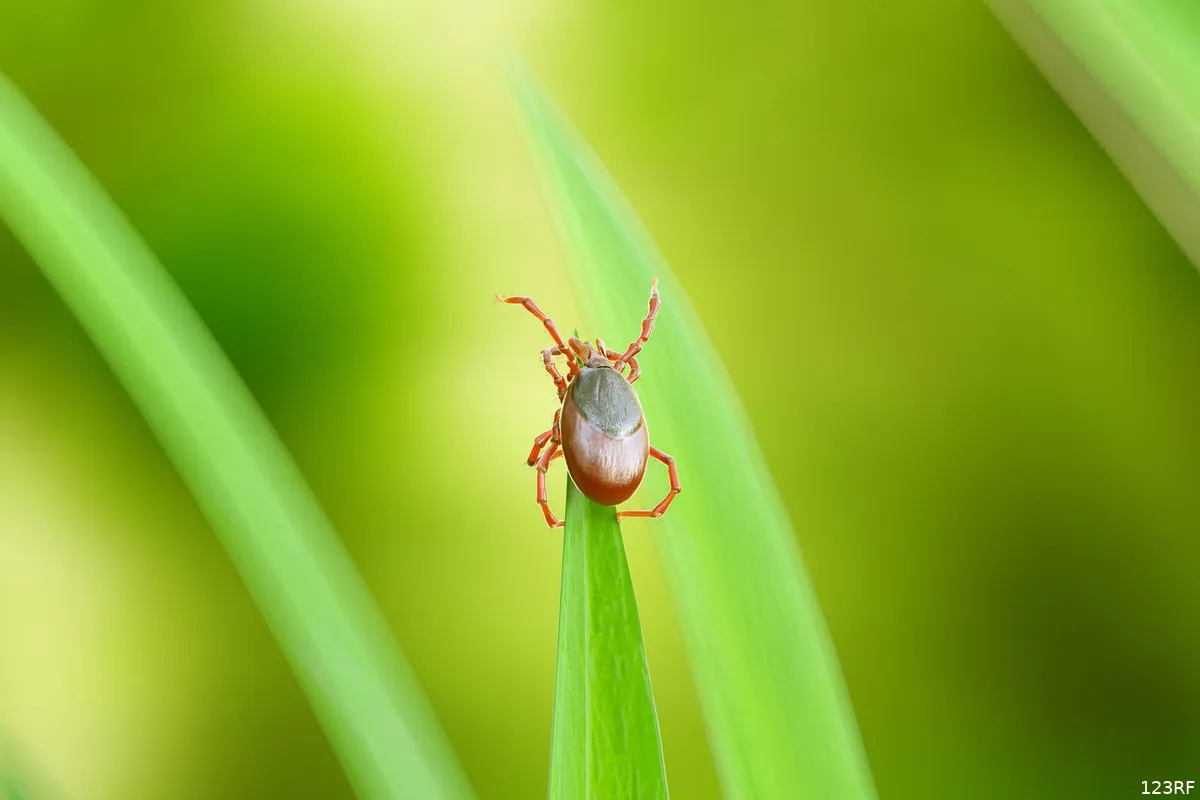
Continue reading...Bloedzuigende teken wachten geduldig in het struikgewas, totdat hun ideale gastheer langskomt. Ze gebruiken hierbij de kracht van statische energie om van een afstandje op een mens of dier te landen, hebben Amerikaanse onderzoekers ontdekt.
De spinachtigen – het zijn geen insecten – zitten met hun acht gespreide poten op een blad of takje en worden zonder moeite 'aangezogen', oftewel passief aangetrokken. Springen of vliegen doen de diertjes niet; ze kunnen alleen van dichtbij de statische lading gebruiken om de oversteek te maken. En dat werkt uitstekend.
De wetenschappers testten hun statische aantrekkingskracht-theorie door elektroden in de buurt van jonge schapenteken te houden, en jawel, ze vlogen automatisch richting de elektrische geleiders. Het team vergelijkt de kleine afstand voor teken met het naar beneden springen van drie verdiepingen, omgerekend naar de mens. Direct contact met de prooi is dus niet nodig voor de schapenteek, de tekensoort die in Nederland het meest voorkomt. De parasiet kan ernstige ziektes, zoals Lyme, overdragen op mensen en is het actiefst in de lente- en zomermaanden.
Bron: RTL Nieuws
NANTERRE (ANP/AFP) - De Franse zanger Patrick Bruel (67) blijft 24 uur langer in hechtenis. Het Openbaar Ministerie in Nanterre, een voorstad van Parijs, heeft dit besloten in een onderzoek naar seksueel geweld met dertien mogelijke slachtoffers.
Tegen de zanger lopen al langer onderzoeken naar beschuldigingen van seksueel geweld. Hij wordt sinds maandagochtend ondervraagd door de politie in Parijs en blijft nu vastzitten tot woensdagochtend.
De zanger heeft de beschuldigingen tot nu toe steeds ontkend. In een verklaring lieten zijn advocaten maandag weten dat Bruel al langer had aangegeven beschikbaar te zijn voor justitie en dat hij zal meewerken aan het onderzoek.
Bruel is onder meer bekend van het nummer Casser la voix, waarvan de liveversie begin jaren negentig ook in Nederland een grote hit werd. Het nummer staat ook al jaren in de NPO Radio 2 Top 2000.
DEN HAAG (ANP) - Nederlanders verspillen steeds minder voedsel, meldt het Voedingscentrum. Vorig jaar werd gemiddeld 25,5 kilo vast voedsel per persoon weggegooid. Bij de vorige meting in 2022 was dat nog 33,4 kilo. Sinds 2010 brengt het Voedingscentrum iedere drie jaar de voedselverspilling van mensen thuis in kaart.
De voedselverspilling in Nederland moet in 2030 gehalveerd zijn ten opzichte van 2015. Toen verspilden Nederlanders nog 36 kilo voedsel per persoon. Dat betekent dat de hoeveelheid voedselverspilling in tien jaar bijna 30 procent is gedaald. Staatssecretaris Silvio Erkens (LVVN) is tevreden met deze vooruitgang. "Mooi om te zien dat we thuis steeds minder verspillen, want elke hap telt."
Het Voedingscentrum is iets terughoudender: "We zijn nu redelijk op weg, maar het is wel nodig dat we de komende jaren nog extra stappen zetten om het doel te kunnen halen", zegt Lilou van Lieshout, expert duurzaamheid bij het Voedingscentrum.
Grote impact milieu
Nederlanders gooien vooral veel brood, groente, fruit, aardappelen en zuivel weg. Samen zijn deze productgroepen goed voor meer dan de helft van het gewicht in voedselverspilling in Nederlandse huishoudens. Voedselverspilling heeft een grote impact op het milieu. "Al dat voedsel wordt verbouwd, verwerkt, vervoerd, gekoeld en gemaakt." Minder voedselverspilling scheelt broeikasgasuitstoot, landgebruik en waterverbruik, zo schetst het Voedingscentrum.
Daarnaast kan minder verspilling winst opleveren in de portemonnee. In 2025 is 7 procent van de totaal gekochte hoeveelheid voedsel weggegooid. Omgerekend komt dat volgens het Voedingscentrum neer op 100 euro per persoon per jaar. "Dit kun je dus besparen door geen eten weg te gooien."
Het bovenstaande voorval vond gisteravond rond 22:30 plaats aan de Kinnaird Avenue in Noord-Belfast, te Noord-Ierland. Plaatselijke en landelijke media schrijven dat "een man" gearresteerd is en dat het slachtoffer, ook enkel beschreven als "een man" in kritieke toestand in het ziekenhuis ligt. De aanleiding of de mogelijke relatie tussen de twee is op moment van schrijven volstrekt onbekend. De dader gebruikt gemaakt te hebben van een Stanleymes. Afijn, nu alles hierboven zo keurig mogelijk neergeschreven staat: OOGT EN KLINKT NIE ALS EEN FINN MURPHY OF CONOR O'BRIEN HÈ OF WEL SOMS. En sowieso wordt Ierland ook al een paar jaar onder de voet gelopen door sub-Saharische biomassa, dus je kon er eigenlijk op wachten.