The Guardian

Latest news, sport, business, comment, analysis and reviews from the Guardian, the world's leading liberal voice

Growing risk that thousands buried in Gaza’s rubble may never be identified, says Red Cross

Exclusive: Recovery efforts remain slow and passing of time makes it more likely they will be skeletonised

The International Committee of the Red Cross has said the risk that the thousands of Palestinians buried beneath Gaza’s rubble may never be identified is increasing by the day, as recovery efforts remain slow and many victims have yet to be retrieved, the Guardian can reveal.

“There is no doubt that these bodies could soon become difficult to identify,” said Pat Griffiths, the ICRC spokesperson in Jerusalem. “The longer it takes for human remains to be recovered, the more difficult it can be to identify them. The longer the deceased lie beneath the rubble, the more likely they will be in advanced stages of decomposition – even skeletonised – when eventually recovered.”

Continue reading...

World Cup 2026: Scotland react to first victory in 36 years as Australia beat Turkey – live

Also in Group C, Morocco held Brazil to a 1-1 draw at New York New Jersey Stadium.

As always, feel free to leave a comment below the line with any reaction from the latest games. You can also throw in some predictions for today’s fixtures.

Continue reading...

Britse marine entert schip Russische schaduwvloot, premier Starmer spreekt van ‘nieuwe klap aan Rusland’

De eerste Britse onderschepping van een schip uit de Russische schaduwvloot is volgens de regering-Starmer een „duidelijke boodschap” aan Poetins regime in Rusland.

Overland Track - Windermere

niggyl :) has added a photo to the pool:

Overland Track - Windermere

Looking back along the track itself from near Windermere Hut. Just before sunset, the wind, rain, mist and drizzle finally cleared away after us walking in it for two days.

Largely peaty, heathy moorland around the lake. Scattered, twisted Snow Gums and the odd dolerite erratic.

Cradle Mountain Lake St Clair National Park. Tasmania.

Leica Q2 Monochrom, Leica Summilux 28mm f/1.7, 1/16000th sec at f/1.7, ISO 400.
Yet another frame where I've failed to adjust the aperture from the frame before... silly old goat.

Rijnmond - Nieuws

Het laatste nieuws van vandaag over Rotterdam, Feyenoord, het verkeer en het weer in de regio Rijnmond

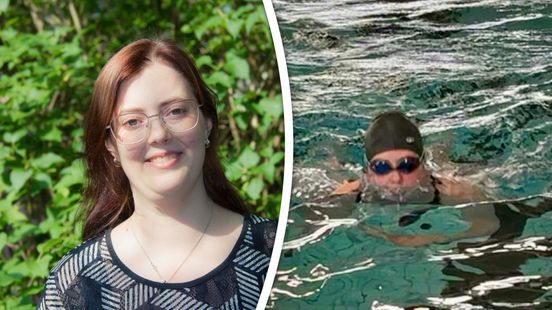
Larenne (29) kreeg twee keer een nieuw hart: 'Eerste keer sloot ik me mentaal helemaal af''

De sfeer is opvallend ontspannen in de voor-operatiekamer in juni 2023. Larenne Stierman wordt voorbereid op haar tweede harttransplantatie. Als een verpleegkundige opmerkt hoe relaxed ze erbij ligt, zegt ze: “Ja, ik heb het al een keer gedaan. Ik hoop jullie ook.”

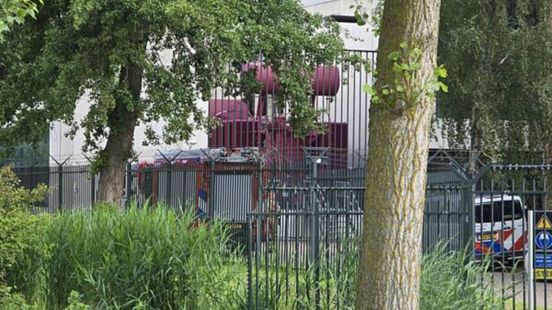
Stroomstoring treft bijna 20.000 huishoudens en winkels, ook stoplichten vallen uit

Bijna 20.000 huishoudens in Rotterdam-Zuid kampen sinds zondagochtend met een stroomstoring. Er komen meldingen binnen uit verschillende postcodegebieden. Netbeheerder Stedin werkt aan een oplossing, maar meldt ook dat het nog uren kan duren.

Stroomstoring treft duizenden huishoudens en winkels in Rotterdam-Zuid

Duizenden huishoudens in een deel van Rotterdam kampen zondagochtend met een stroomstoring. Er komen meldingen binnen uit verschillende postcodegebieden aan de zuidkant van de stad. Netbeheerder Stedin werkt aan een oplossing.

Behance Featured Projects

The latest projects featured on the Behance

Tafoni


Tafoni are geological formations found in porous coastal sandstone, shaped over millennia by the expansion of salt crystals within the rock. A process known as haloclasty. This series documents their abstract, honeycomb-like structures.

The Register

Biting the hand that feeds IT — Enterprise Technology News and Analysis

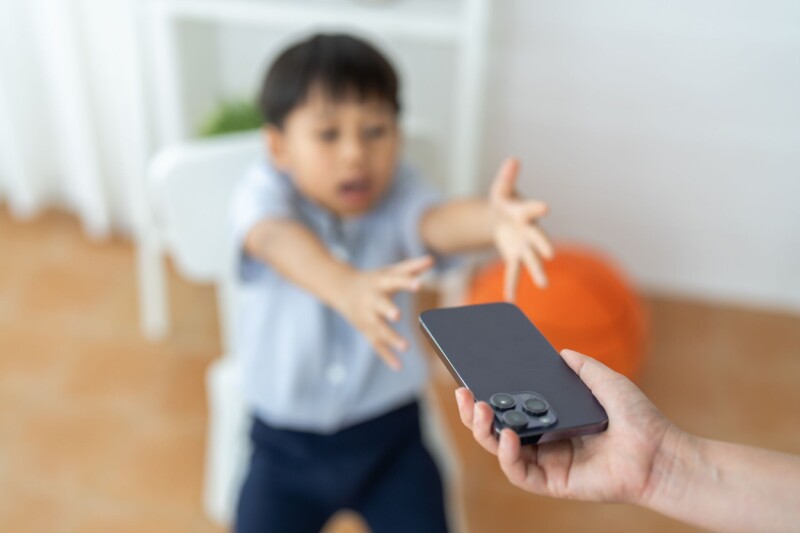
Scientists pour cold water on claims phones are rewiring kids' brains

MPs looking for proof that smartphones and social media are rotting children's brains got a less satisfying answer from neuroscientists on Wednesday: nobody can really prove it. Appearing before the Science, Innovation and Technology Committee this week, three researchers spent much of the session explaining that concern and evidence are not quite the same thing. Asked what evidence exists on the impact of digital devices on infants and young children, Professor Denis Mareschal, director of the Centre for Brain and Cognitive Development at Birkbeck, replied: "There is very little, if any, causal research in the early years. Almost everything is correlational." MPs kept coming back to the question – and the experts kept coming back to the same answer. When questioned about social media's impact on adolescents, Professor Sarah-Jayne Blakemore of the University of Cambridge was equally cautious. "What evidence do we have of the impact of digital devices or social media on the adolescent brain?" she asked. "Almost nothing. There are a few small studies, but they haven't been replicated, and they're purely correlational." However, that didn't stop the witnesses from expressing concern. Blakemore noted that adolescence is a period when reward systems in the brain are highly active while regions involved in self-control are still developing. "Even as adults, it's really hard to put our phones down if we're seeing constantly interesting things, but as a child or an adolescent whose prefrontal cortex is developing, it's even harder," she said. For Dr Dusana Dorjee, a senior lecturer in psychology in education at the University of York, the bigger concern was displacement. Children learn self-regulation through conversation, play, sport, and social interaction, she said, which can be crowded out by excessive screen use. "What would children do if they were not on their devices?" she asked. "They would interact with others, they would play, they would have multi-sensory input that digital devices can't provide." The researchers were also reluctant to throw every screen into the same bucket. Mareschal pointed to evidence that video calls can help families stay connected, while Dorjee drew a distinction between educational apps and endlessly scrolling whatever an algorithm decides comes next. MPs also wanted to know whether neuroscience could settle one of the liveliest arguments in the debate: how old a child should be before they're allowed onto social media. "What neuroscience can't do is pinpoint a precise age," Blakemore said. "The individual differences in brain development are vast." AI companions also got their turn in the hot seat, and the answers were even fuzzier than they were for social media. "We don't really have any evidence, and that's one area where I think we really urgently need new evidence," Blakemore said. "We need to think about, and this is the research question, how children and young people are interpreting AI chatbots, and whether they're interpreting them just like they would be interpreting a friend's behavior and suggestions and mental states." If there was a takeaway from the hearing, it was that concern about digital childhood is running well ahead of the evidence needed to settle the argument. ®
VK: Voorpagina

Volkskrant.nl biedt het laatste nieuws, opinie en achtergronden

VK onderschept olietanker van Russische schaduwvloot in zes uur durende operatie