Wel.nl

Minder lezen, Meer weten.

Nederlandse toeriste vermoord in Colombia.

Een 41-jarige Nederlandse toeriste uit Schagen is tijdens een soloreis in Colombia om het leven gekomen, vermoedelijk door een misdrijf. De vrouw, door media en familie geïdentificeerd als Marlies Genz, verdween op 25 mei nadat ze haar boutiquehostel in het populaire koffiedorp Salento verliet voor een wandeling naar een koffieplantage. Een week later werd haar lichaam gevonden in een klein meer in de landelijke omgeving Palestina, in dezelfde regio.

Aanvankelijk leek sprake van een tragisch ongeluk, maar een autopsie wees op sporen van geweld, waarna de Colombiaanse politie een moordonderzoek startte. Politiecommandant kolonel Carlos Mario Bustamante verklaarde tegenover lokale media dat “de belangrijkste hypothese is dat de vrouw fysiek is mishandeld en dat dit haar dood heeft veroorzaakt”. De autoriteiten proberen met behulp van getuigen haar laatste uren te reconstrueren en hebben een beloning van omgerekend enkele duizenden euro’s uitgeloofd voor tips.

De familie van Marlies spreekt in een verklaring van een “onvoorstelbaar verlies” na een reis waar zij “tot in de kleinste details” naar had uitgekeken. Zij vragen rust en wijzen erop dat zij, net als het publiek, moeten wachten op de definitieve uitkomsten van het forensisch onderzoek in Colombia. Het Nederlandse ministerie van Buitenlandse Zaken biedt consulaire steun; in het reisadvies voor Colombia wordt al langer gewaarschuwd dat toeristen zelden doelwit zijn maar wel slachtoffer kunnen worden van geweld en criminaliteit.


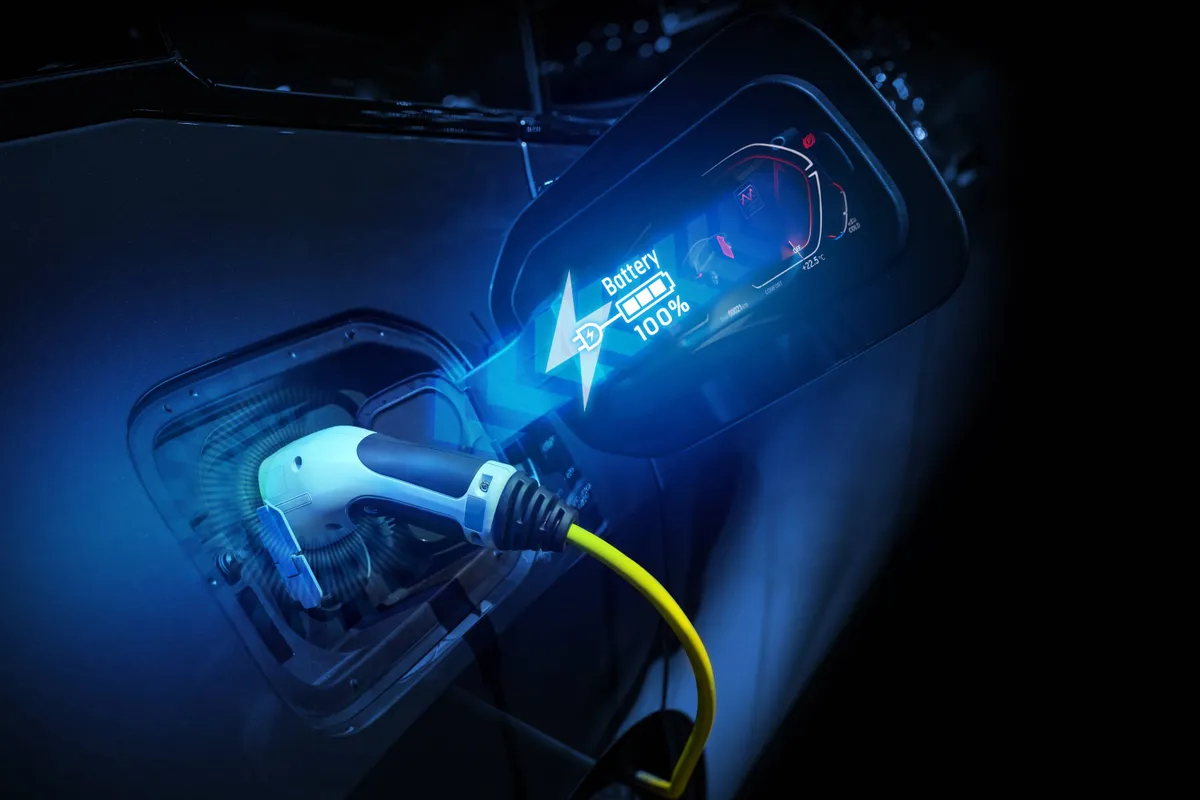
Elektrische auto’s worden weer duurder: wat betekent dat voor jouw portemonnee in 2026?

Elektrisch rijden werd jarenlang verkocht als hét betaalbare en duurzame alternatief voor de benzine- en dieselauto. Subsidies, vrijstellingen en lage gebruikskosten moesten de overstap aantrekkelijk maken. In 2026 draait de wind langzaam: fiscale voordelen worden afgebouwd, sommige kosten stijgen en de vraag rijst of elektrisch rijden nog wel voor iedereen betaalbaar is.

1. Afschaffing en versobering van subsidies

De tijd van royale aanschafsubsidies op nieuwe elektrische auto’s loopt in veel Europese landen ten einde. Nationale overheden bouwen regelingen versneld af of versoberen ze om de kosten voor de schatkist te drukken en omdat EV’s inmiddels geen nicheproduct meer zijn.

Voor de consument betekent dat: minder korting aan de voorkant. Waar je een paar jaar geleden nog een forse subsidie kon krijgen op een nieuwe EV, moet je nu steeds vaker de volledige catalogusprijs zelf ophoesten. Tweedehands subsidies blijven soms wat langer bestaan, maar ook daar zie je dat budgetten sneller op zijn en voorwaarden strenger worden.

2. Hogere aanschafprijzen door grondstoffen en techniek

Batterijen blijven het duurste onderdeel van de elektrische auto. De prijzen van kritieke grondstoffen als lithium, nikkel en kobalt zijn volatiel en fabrikanten proberen die kosten door te berekenen. Tegelijk investeren ze in nieuwe batterijtypes en software, wat de ontwikkeling duurder maakt.

Gevolg: veel nieuwe modellen worden rijker uitgerust, maar daarmee ook duurder in de basis. De écht goedkope elektrische stadsauto blijft schaars. Het instapsegment verschuift langzaam omhoog, waardoor een nieuwe EV voor een doorsnee huishouden financieel minder makkelijk binnen bereik komt.

3. Belastingen en heffingen: van vrijstelling naar meebetalen

De fiscale vrijstellingen voor elektrische auto’s – denk aan (gedeeltelijke) vrijstelling van motorrijtuigenbelasting of lagere bijtelling voor zakelijke rijders – worden in veel landen stap voor stap afgebouwd. De redenering van overheden is simpel: als iedereen elektrisch gaat rijden, kunnen ze het zich niet veroorloven om die grote groep structureel te blijven ontzien.

Dat zie je terug in:

  • Stijgende motorrijtuigenbelasting voor EV’s, soms eerst symbolisch, maar met een duidelijk pad omhoog.
  • Lagere korting op de bijtelling voor zakelijke rijders, waardoor het maandelijkse netto-voordeel krimpt.
  • Discussies over nieuwe vormen van kilometerheffing of wegenbelasting die ook elektrische rijders volledig laten meebetalen.

Per saldo wordt het doorsnee kostenplaatje van een EV minder gunstig ten opzichte van een efficiënt benzinemodel.

4. Stroomprijzen en laadkosten: minder vanzelfsprekend goedkoop

Jarenlang was “laden is veel goedkoper dan tanken” een van de belangrijkste argumenten voor elektrisch rijden. Met sterk schommelende energieprijzen en hogere belastingen op elektriciteit wordt dat verhaal genuanceerder.

Er zijn een paar belangrijke ontwikkelingen:

  • Thuisladen blijft meestal het goedkoopst, maar wie geen eigen oprit heeft en afhankelijk is van publieke laadpalen, betaalt vaak fors meer per kWh.
  • Snelladers langs snelwegen zijn makkelijk, maar hebben tarieven die richting brandstofkosten per kilometer kruipen, zeker bij drukke trajecten en piekmomenten.
  • Dynamische energietarieven kunnen voordelig zijn voor wie slim laadt in daluren, maar vragen wel tijd, planning en digitale handigheid.

De EV-rijder die geen tijd of zin heeft om te optimaliseren, merkt dat de gebruikskosten niet meer zo spectaculair laag zijn als de marketing ooit deed vermoeden.

5. Wat betekent dit concreet voor jouw portemonnee?

De optelsom van hogere aanschafprijzen, afnemende subsidies, stijgende belastingen en minder vanzelfsprekelijk goedkope stroom zorgt ervoor dat de totale kosten van elektrisch rijden in 2026 hoger uitvallen dan veel mensen verwachten.

Concreet kun je denken aan:

  • Een hogere maandelijkse financierings- of leaseprijs voor een vergelijkbare auto.
  • Minder fiscaal voordeel, waardoor het netto loon bij een zakelijke lease minder stijgt dan voorheen.
  • Hogere vaste lasten (belasting, verzekering) en vooral in de stad hogere laadkosten wanneer je afhankelijk bent van publieke palen.

Tegelijk blijft een EV in veel scenario’s nog steeds gunstiger dan een traditionele brandstofauto, vooral als je veel kilometers maakt én toegang hebt tot goedkoop thuisladen. Voor wie weinig rijdt of geen eigen laadplek heeft, wordt de rek echter kleiner.

6. Slimme strategieën om elektrisch rijden betaalbaar te houden

Ondanks de stijgende kosten zijn er manieren om de financiële schade te beperken. Een paar strategieën die je als consument direct kunt toepassen:

  • Kies tweedehands in plaats van nieuwDe eerste eigenaar heeft de grootste afschrijving al genomen. Een jong gebruikte EV met nog goede batterijcapaciteit is vaak aanzienlijk goedkoper, terwijl je wel profiteert van de lagere gebruikskosten.
  • Optimaliseer je laadmixCombineer thuisladen (bij voorkeur in daluren) met publieke palen, en gebruik snelladers alleen wanneer het echt niet anders kan. Met een dynamisch energiecontract kun je serieuze besparingen realiseren als je laadt wanneer de stroomprijs laag is.
  • Kies een kleiner of lichter modelGrote SUV’s met zware batterijen zijn duur in aanschaf én verzekering. Een compacte EV, zeker in stedelijke context, is meestal genoeg en scheelt duizenden euro’s.
  • Deelauto’s en flexibele mobiliteitAls je relatief weinig rijdt, kan een combinatie van deelauto, OV en fiets financieel en praktisch aantrekkelijker zijn dan een eigen EV op de stoep.

7. Twijfel je nog? Stel jezelf deze drie vragen

Als je twijfelt of elektrisch rijden in 2026 nog de juiste keuze is voor jou, helpen deze drie vragen:

  1. Hoeveel kilometers rijd ik per jaar echt?
  2. Heb ik (nu of straks) toegang tot betaalbaar thuisladen of een vaste, voordelige laadplek?
  3. Hoe lang wil ik de auto houden, en hoeveel risico wil ik lopen op veranderend beleid en belastingen?

Wie veel rijdt, thuis kan laden en de auto langer dan vijf jaar wil houden, heeft doorgaans nog steeds een financieel én comfortvoordeel met een EV. Rijd je weinig, woon je in een drukke stad zonder eigen laadplek en ben je gevoelig voor elke beleidswijziging, dan is een kleine, zuinige benzineauto of een mix van deelmobiliteit wellicht rationeler.

Wil je dat ik deze blog nog meer toespitst op Nederland (met concrete verwijzingen naar Nederlandse regelingen en cijfers) of juist breder Europees houd voor jouw publiek?

The Guardian

Latest news, sport, business, comment, analysis and reviews from the Guardian, the world's leading liberal voice

The aftershocks of Brexit’s failure could be gaining strength – a fearful prospect for Ireland | Fintan O’Toole

On our side of the Irish Sea we have made the best of a bad job. But we saw the damage a reckless and reactionary British government could do

  • To read more from the Brexit Vote: 10 Years On series, click here

For Brexit’s true believers, Ireland will always be the spoke in the wheel that set everything off course, the green tarnish that took the shine off the golden age. Without the vengeful and malicious obstructionism of the Irish, all the promises of freedom and prosperity would have been fulfilled.

To understand how nonsensical this is, it is necessary to go back five years before the referendum of 2016. Back, that is, to the sense of an ending. In May 2011, Queen Elizabeth made a four-day state visit to Ireland. This should not have been remarkable – the heads of state of neighbouring countries visit each other all the time. But no reigning British monarch had set foot in what is now the Republic for almost exactly a century.

Fintan O’Toole is a columnist with the Irish Times and the author of Heroic Failure: Brexit and the politics of pain

Continue reading...

Thousands of staff at Czech public broadcasters strike over funding plans

Industrial action is biggest escalation yet in months-long dispute with populist government of Andrej Babiš

Thousands of public service media employees in Czechia are holding a 24-hour strike after the government of the billionaire prime minister, Andrej Babiš, pushed ahead with controversial plans to change the way the country’s public broadcasters are funded.

Monday’s industrial action by staff at Czech Television and Czech Radio marks the biggest escalation yet in a months-long confrontation between the broadcasters and Babiš’s populist administration.

Continue reading...

From mobile jungles to shadow art: how Dutch people try to beat the heat

A national heatwave plan has been activated to help people stay cool during the Netherlands’ increasingly hot summers

Households in Amsterdam are being urged to hang their curtains outside their windows as health experts recommend simple hacks to moderate the heatwave rolling across the Netherlands, where homes were built for old-fashioned damp and coldish northern European weather.

In a viral social media post last week, Eline Coolen, the heat coordinator at the city’s public health institute, urged sweaty city-dwellers to rig up temporary curtain rails or drape curtains or sheets outside to stop the sun’s rays reaching their large windows.

Continue reading...

Maybe this World Cup will bring the best out of the US, not the worst | Barney Ronay

Tournament could hold up a useful hand mirror to the isolationism and divisiveness of Trump’s joint-host nation

One of the best parts of following football across the world is the way it drags you into special places, local shrines, objects of profound cultural connection. The US, of course, has these holy spaces too.

The queue of pilgrims in Philadelphia on Thursday morning stretched down the sun-blasted steps to the plaza at the bottom. Edging forward, the people in their ritual colours approached the figure at the top, arms outstretched in supplication, in a state of hushed deference. Called finally for his moment of communion, the man at the front of this line straightened his Ronaldinho shirt, clenched his fists above his head for the ceremonial Insta pic and shouted: “Adrian! I did it.”

Continue reading...

Cristiano Ronaldo risks ruining his legacy if he continues to stymie Portugal by starting | Miguel Dantas

One of the finest players to grace the game no longer deserves his place in the team and should take it upon himself to stand down to serve their chances

At 41, Cristiano Ronaldo’s problem is not his age. It is that nobody seems willing to tell him to his face what everyone else can see. In Portugal, patience for the legend has run dry.

Ronaldo is not fit to be a Portugal starter any more. What would have sounded like a treasonous statement a few years ago now looks an obvious truth. At least to everyone except the national team manager, Roberto Martínez, and his coaching staff.

Continue reading...

Richer than Musk: Joyce Carol Oates on her 88 years of watching, writing, feeling and loving

The writer made headlines when she accused the world’s wealthiest man of lacking joy, culture, a sense of beauty … Meanwhile, her own life has been an attempt to understand and explain the world. She talks us through her latest book

‘Many people, including myself, spend a lot of time thinking about the past. And if you’re living in the same house you were living in with a spouse, the spouse is all around. Nonetheless, it’s not healthy to live in the past; I think we all know that.” Joyce Carol Oates is speaking to me from a book-lined room – one that makes you finally understand what “den” means – at her home in Princeton, New Jersey. She teaches at Princeton University as well as teaching advanced creative writing at Rutgers, also in New Jersey.

The author turned 88 this month, but she looks little changed from the 1960s, when she came to prominence: weightless like a sprite, focused and serious like a librarian. She has been a prolific writer, with more than 60 novels and many volumes of short stories to her name, earning her five Pulitzer prize nominations and a National Book award, among others, since the start of her career. Blonde, a haunting, fictionalised account of the life of Marilyn Monroe, Them, part of the Wonderland quartet, and Zombie, loosely based on the serial killer Jeffrey Dahmer, are often name-checked as career highs, but her consistency is striking. When she wanted to write mysteries, she did so under the pseudonyms Rosamond Smith and Lauren Kelly. Her works of nonfiction, mainly criticism and memoir, would constitute a career on their own.

Continue reading...

Slashdot

News for nerds, stuff that matters

Someone Forked systemd Over Its New Birth Date Field

The blog Linuxiac reports:
A new systemd fork has appeared with a specific purpose: removing systemd's recently added support for storing a user's birth date in JSON user records.

The fork, called Liberated systemd, published its first tagged release as v261 shortly after the official systemd 261 release. In other words, the fork follows upstream systemd while reverting the change that added the new optional birthDate field.

Importantly, this is not a new init system, a wider redesign of systemd, or a general-purpose alternative to the upstream project. Its stated purpose is to remain close to upstream systemd while removing what the author describes as "surveillance enablement"... The author recommends testing the fork in a virtual machine before using it on real hardware and warns nightly builds are more likely to be unstable than named releases.

Read more of this story at Slashdot.

Voedselzekerheid zal de EU worst wezen. Ze wil boze boeren sussen - De Correspondent

‘Als je geen voedsel hebt, ga je gewoon dood’, aldus de ijzeren logica van BBB’er Caroline van der Plas. Ook de Europese Commissie noemt voedselzekerheid al jaren een ‘topprioriteit’. Goed idee, maar wie dieper duikt ziet dat de EU zich geen zorgen maakt om honger, maar om de portemonnee van de vee-industrie.