
In Amerika botste het ideaal van vrijheid en gelijkheid voor allen van meet af aan op de realiteit van onderdrukking en autocratie. Ook nu is het spannend, zegt Sjoerd de Jong, maar tot nu toe won de ongebreidelde machtsdrift niet.
/s3/static.nrc.nl/wp-content/uploads/2026/06/26145200/300626OPI_2034501667_WEB_HP_Montage_sjoerd.jpg)
Europa kent grote verschillen in minimumlonen, en op het eerste gezicht lijkt Luxemburg de onbetwiste kampioen met een bruto minimumloon van 2.704 euro per maand. Wie een baan heeft in Luxemburg en op minimumloon werkt, verdient in euro’s meer dan zijn collega’s in Nederland, Duitsland of België, en zeker meer dan iemand in Bulgarije of Letland. Maar zodra je de lonen corrigeert voor prijsverschillen – wat economen doen met de zogeheten “purchasing power standard” (PPS) – wordt het beeld genuanceerder.
Sinds 1 januari 2026 varieert het wettelijke bruto minimumloon in de EU van 620 euro per maand in Bulgarije tot 2.704 euro in Luxemburg. In de hoogste categorie zitten Luxemburg, Ierland, Duitsland, Nederland, België en Frankrijk; allemaal landen waar het minimumloon boven de 1.800 euro per maand ligt. Nederland hoort daarbij, met een bruto minimumloon van 2.295 euro, net onder Duitsland (2.343 euro) en Ierland (2.391 euro), maar samen vormen deze Noordwest‑Europese landen de kopgroep van Europa.
Wie alleen naar eurobedragen kijkt, kan dus eenvoudig zeggen: Luxemburg is het land waar minimumverdieners het meeste krijgen, gevolgd door Ierland, Duitsland en Nederland. Aan de andere kant van het spectrum staan landen als Bulgarije, Letland en Roemenië, waar de maandelijkse minimumlonen ruim onder de 1.000 euro liggen. Het verschil tussen hoogste en laagste minimumloon is daarmee meer dan een factor vier: 2.704 euro tegenover 620 euro.
| Land | Bruto minimumloon p/mnd (€) |
| Luxemburg | 2.704 |
| Ierland | 2.391 |
| Duitsland | 2.343 |
| Nederland | 2.295 |
| België | 2.112 |
| Frankrijk | 1.823 |
| Spanje | 1.381 |
| Slovenië | 1.278 |
| Cyprus | 1.088 |
| Polen | 1.139 |
| Litouwen | 1.153 |
| Griekenland | 1.027 |
| Portugal | 1.073 |
| Kroatië | 1.050 |
| Malta | 994 |
| Tsjechië | 924 |
| Slowakije | 915 |
| Estland | 886 |
| Hongarije | 838 |
| Roemenië | 795 |
| Letland | 780 |
| Bulgarije | 620 |
Bruto lonen vertellen niet het hele verhaal, want het maakt uit hoe duur het leven is in een land. Een mandje boodschappen, een huurwoning of een restaurantbezoek kost in Luxemburg of Ierland aanzienlijk meer dan in bijvoorbeeld Polen of Roemenië. Daarom rekent Eurostat lonen om naar koopkracht met PPS, een eenheid die corrigeert voor prijsniveau, zodat een PPS‑bedrag in ieder land ongeveer dezelfde hoeveelheid goederen en diensten vertegenwoordigt.
In die koopkrachtranglijst verschuift de top. Recente PPS‑berekeningen laten zien dat Duitsland, niet Luxemburg, bovenaan staat met een minimumloon dat neerkomt op ongeveer 2.157 PPS per maand. Luxemburg blijft zeer hoog, rond 2.035 PPS, maar verliest de eerste plaats door zijn hoge prijsniveau. Nederland schuift naar een stevige derde positie, met circa 1.937 PPS, gevolgd door België (ongeveer 1.812 PPS) en Ierland (ongeveer 1.653 PPS). Daarmee wordt duidelijk dat minimumverdieners in Duitsland en Nederland – gemeten in wat ze daadwerkelijk kunnen kopen – tot de best beschermde werknemers van Europa behoren.
| Land | PPS‑minimumloon (ca.) | Positie op PPS‑schaal |
| Duitsland | 2.157 PPS | |
| Luxemburg | ±2.035 PPS | |
| Nederland | ±1.937 PPS | |
| België | ±1.812 PPS | |
| Ierland | ±1.653 PPS | |
| Frankrijk | ±1.620 PPS | |
| Spanje | ±1.519 PPS | |
| Polen | ±1.500 PPS |
Ook aan de onderkant verkleinen de verschillen. Waar de bruto bedragen een factor vier uiteenlopen, liggen de PPS‑minimumlonen tussen grofweg 886 PPS per maand (Estland) en iets boven de 2.100 PPS (Duitsland). Dat is nog steeds fors, maar de kloof in reële levensstandaard is kleiner dan de ruwe eurobedragen doen vermoeden.
Een illustratief voorbeeld is Polen. Daar bedraagt het wettelijke minimumloon bruto 1.139 euro per maand, fors minder dan in Nederland of Duitsland. Tegelijk liggen de prijzen voor basisgoederen en diensten beduidend lager dan in Noordwest‑Europa. Omgerekend naar PPS komt het Poolse minimumloon uit rond 1.500 PPS, waarmee een werknemer in Polen ongeveer hetzelfde assortiment dagelijkse uitgaven kan doen als een werknemer in duurdere landen met een beduidend hoger bruto minimumloon.
Dat verklaart waarom sommige Midden‑ en Oost‑Europese landen in de koopkrachtranglijst minder ver achterblijven dan de brute eurovergelijking suggereert. Voor migratie‑ en integratiedebatten in Europa is dat een belangrijk detail: een “laag” loon in euro’s betekent niet automatisch dat de levensstandaard dramatisch níéuw is, zolang het prijsniveau ook laag blijft.
De discussie over welk land het “hoogste minimumloon” heeft raakt direct aan een bredere Europese beweging richting toereikende minimumlonen. In 2022 stelde de EU een richtlijn vast die lidstaten oproept hun minimumloonniveau te toetsen aan onder meer 60% van het mediane loon, om te voorkomen dat minimumlonen ver onder de middenlonen liggen. Nederland heeft die richtlijn inmiddels in nationale wetgeving verwerkt, waardoor het minimumloon bij toekomstige verhogingen explicieter wordt gekoppeld aan het loonniveau in de rest van de economie.
Voor landen met zeer lage minimumlonen, zoals Bulgarije of Letland, betekent dit een politieke druk om hun loonbodem geleidelijk op te krikken, zeker nu koopkrachtverlies door inflatie en energieprijzen het dagelijks leven van lage inkomens extra onder druk zet. Tegelijk waarschuwen werkgevers in hoog‑loonlanden voor concurrentie‑effecten en mogelijke druk op werkgelegenheid, wat de discussie over “het hoogste minimumloon” tot een klassiek spanningsveld tussen sociale bescherming en economische concurrentiekracht maakt.
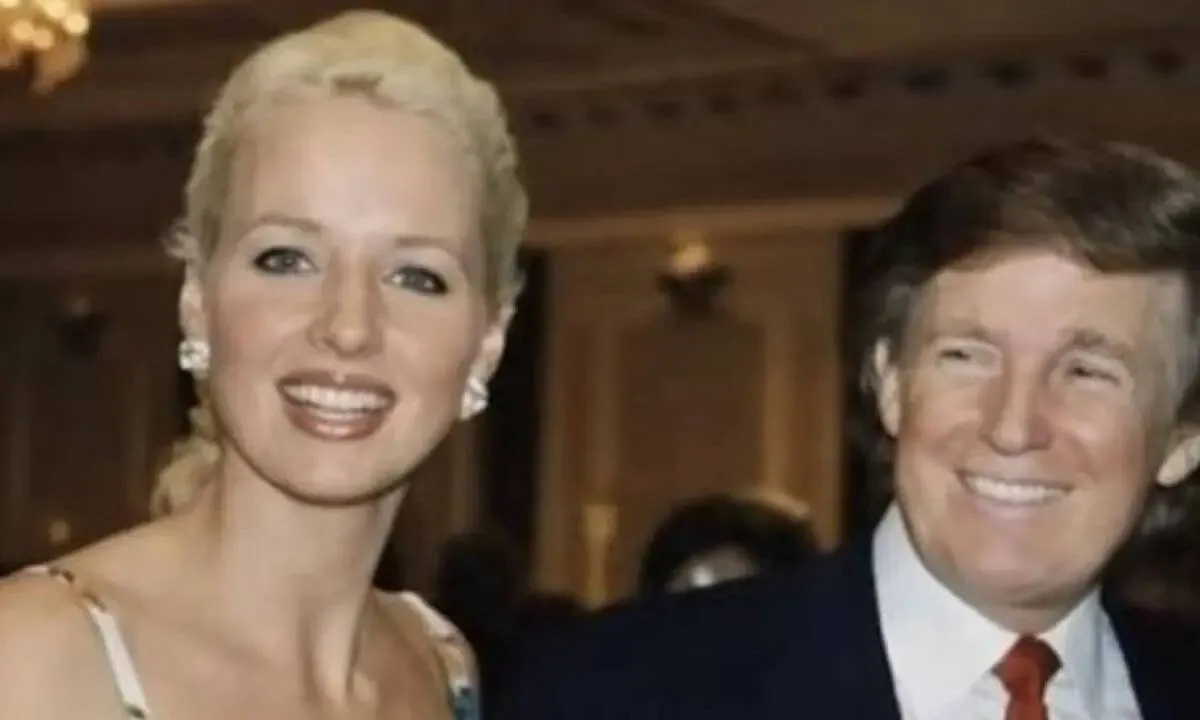
De Zwitserse voormalig schoonheidskoningin Beatrice Keul heeft in een nieuw interview Donald Trump ervan beschuldigd haar in 1993 in een suitesalon van het Plaza Hotel in New York te hebben aangerand tijdens een door hem gesponsorde missverkiezing. Volgens Keul zou Trump haar ongevraagd hebben betast, geprobeerd haar jurk op te tillen en haar tegen haar zin hebben gekust.
Na het incident zou Trump haar naar eigen zeggen hebben bedreigd en duidelijk hebben gemaakt dat ze moest zwijgen “anders konden er slechte dingen gebeuren”. Keul trad in 2024 voor het eerst met haar verhaal naar buiten en zegt sindsdien te maken te hebben met intimidatie en dreigberichten, waaronder AI‑gegenereerde berichten op haar telefoon.
Het nieuwe interview verschijnt op het Amerikaanse Substack-platform The PunchUp en sluit aan bij een reeks eerdere beschuldigingen van seksueel wangedrag tegen Trump door tientallen vrouwen sinds de jaren zeventig, die hij allemaal ontkent.
Maybe Morocco are about to do it all again. They are into the last 16 after a match that lasted almost three hours, winning a strange and error-strewn shootout to tee up a meeting with Canada. Ismael Saibari converted the winning penalty after his team and the Netherlands had fluffed their lines repeatedly. Perhaps it was fitting that, after the teams had missed twice apiece, the goalkeeper Yassine Bounou made the save that allowed Saibari his moment. He stood tall to bat away Crysencio Summerville’s shot, recalling his two saves in the win against Spain at Qatar 2022.
Morocco had deserved to win against a negative Netherlands, even if they only earned extra time when the centre-back Issa Diop headed in. One wonders how Cody Gakpo, playing despite the announcement he and his partner had lost their unborn son, could process the turnaround. He seemed to have scored the winner with a hammered finish in the 72nd minute, the emotions taking hold afterwards. Gakpo was in tears after scoring, pointing to the sky and being comforted by Denzel Dumfries. Football can be intensely cruel but some things hold infinitely greater importance.
Continue reading...Want to see some old wonders but don’t fancy forking out £33 for 40 minutes with a tapestry? Our critic celebrates the British treasures you can see all year round – from monstrous crypt carvings to the vaulting glory of our cathedrals
There’s a carved stone character grimacing furiously in the crypt of Canterbury Cathedral and you can see why – a man is sitting on his head, legs apart, holding a fish and bowl in outstretched arms. Other figures perched atop slender stone columns include a creature with a serpent’s tail wrestling a dog-like monstrosity, a gryphon eating a siren, and a (now-detached) carving of a horned devil. All this nefariousness in the depths of England’s holiest shrine.
But then medieval British art is full of wonder, mystery and humour. It is also so abundant that it gets taken for granted. But now, after almost 1,000 years, it is about to have a moment. This week, the rush will begin to get £33 tickets to spend 40 minutes in the company of a medieval British artwork. The Bayeux Tapestry, a 70-metre embroidery depicting the Norman conquest of England in 1066, was almost certainly embroidered by Kent women to a commission by Bishop Odo of Bayeux in the 1070s.
Continue reading...The country is dependent on the global giants that call Dublin home. Irish ministers can’t be trusted to chair vital European digital sovereignty talks
On the face of it, Ireland behaves like a good European by being a staunch advocate of human rights and a beacon of progressivism on the western edge of the continent. But there is one vital area in which its record is less than perfect – one that should cause concern when the Irish government takes over the rotating six-month presidency of the EU on 1 July. The EU’s tech and AI rulebook will be renegotiated during the same period, but the Irish state and economy have been captured by big tech. Ireland is so compromised that as president of the Council of the EU, it should recuse itself from all tech and digital sovereignty negotiations.
The last time Ireland held the EU presidency was in 2013, during negotiations on the General Data Protection Regulation (GDPR). A leaked Facebook memo describes a 2013 meeting where the company’s executives met Ireland’s then prime minister to complain about the proposed data privacy rules. They left understanding they had Enda Kenny’s assurance that Ireland would use its “significant influence” as EU Council president to deliver what Facebook called a “positive outcome”. The executives also attended “a dinner hosted by senior Irish politicians to work through the various ways that the Irish could be helpful”.
Johnny Ryan is director of Enforce, a unit of the Irish Council for Civil Liberties
Continue reading...Trusted by millions, the finance expert has seen his name and face used to mis-sell a string of fake investments. And yet, he says, it would be ‘very simple’ for the government to stop them
This month, an email from a consumer landed in Martin Lewis’s inbox. It was from an elderly woman with a disability who had been scammed when she invested in a scheme purportedly endorsed by Lewis – and lost her life savings. “THEY ARE BASTARDS!” Lewis wrote at the top of his social media post about it. Even though the personal finance expert is a veteran campaigner against fraud, he says he had “tears running down my face”. He still sounds upset. “I felt a mixture of frustration, anger and sadness.” Not only for the plight of the woman, but for the “constant, ongoing deluge of shit from the scammers”.
Lewis never advertises anything. To hammer home the point, his social media profile picture has the words “I don’t do ads” tattooed on his forehead. But still, people fall victim to deepfake videos and frauds that appear to show him offering investments. The scale of harm is great enough that MoneySavingExpert (MSE), the company Lewis founded in 2003 and sold in 2012 for up to £87m – he is now its executive chair – has someone full-time handling these cases.
Continue reading...Thomas Hawk posted a photo:


