Vanwege alarmerende verhalen van enkele rechters en het OM week het ministerie op het laatste moment af van de strenge voorschriften van de Hoge Raad voor de omgang met vertrouwelijke communicatie tussen verdachten en hun advocaat.
/s3/static.nrc.nl/wp-content/uploads/2026/09/09140326/100926BIN_2036560459_verschoningsrecht2.jpg)
Teo Davidov doesn’t hit backhands. He serves from both sides. The 16-year-old from Denver is treating the tennis world to a wildly unorthodox style – and proving it’s more than a parlor trick
Teo Davidov always has the upper hands. An amiable junior prodigy from Denver, the 16-year-old was the oddest sight at this year’s US Open, the only player in the tournament – man, woman or junior – who hits only forehands. To be clear: it’s not that he doesn’t have a backhand or can’t hit a backhand. He’s ambidextrous and so he doesn’t bother with them.
It’s nothing personal. “To be honest, I like the traditional backhand-forehand,” he says. “I like the classiness of it. I like hitting backhands myself just to play around, just for fun.” He hits those from both wings, too.
Continue reading...Ljubisa Karović suffered neck and shoulder injuries after the window broke during the flight
Ryanair boss Michael O’Leary said that the airline will be “disputing” that any part of a passenger’s body was sucked out of a window midflight.
Ljubisa Karović, 61, suffered neck and shoulder injuries after the window broke during the flight from the Greek city of Thessaloniki to Memmingen near Munich, Germany, on 10 July.
He wasn’t partially out the window.
No, no, no. Part of his face didn’t get out the window.
We will be certainly at the end of the process disputing that he or any part of his anatomy will bend out the window.
We’re not trying to downplay it.
Look, that incident is being investigated by the NTSB, and we have to await the outcome of the NTSB report.
There’s nothing we can do at the moment. We are a participant in the investigation with Boeing, with the NTSB, with GE on the engine side.
Most of the focus is what happened to the engine. Why was it not self-contained within the cowl of the engine?
He did all he could to bring him in and then tried to block the window, first with a bag that was immediately sucked out and then with a suitcase, which worked.
Continue reading...
For more than a year, No Kings actions have brought millions of people into the streets. On October 17, organizers are shifting toward a nationwide day of nonpartisan voter participation, with communities helping eligible voters understand their options and make a voting plan. If you're expecting a day of marches and rallies, there will still be plenty of events to choose from: 50501.co has a map of events being added so check it regularly (Save 50501.co in your favorites or a bookmark tab if you can).
What to do to prepare? 1. Election Protection Wallet Cards Print one and keep it with you. The national nonpartisan Election Protection coalition provides voting assistance at 866-OUR-VOTE (866-687-8683). Spanish-language assistance is available at 888-VE-Y-VOTA (888-839-8682). Asian-language assistance is available at 888-API-VOTE, and Arabic assistance at 844-YALLA-US. Hand them out at local businesses. Put "vote early" flyers up around town. 2. VOTE EARLY. Encourage others to vote early. Depending on where you live, your event might look like one of the following: Checking that your voter registration is correct Finding out when early voting begins in your state Locating your early voting or Election Day polling place Requesting an absentee or mail ballot Checking your state's voter ID requirements Making transportation plans Helping others to make voting plans 3. Election Interference Won't Work If Americans Vote It's going to be a busy two months. No doubt Trump and his partisans will fling new charges every few days. All that clatter can confuse voters further. Perhaps that's part of the goal. So for all of us who want voters to have their say in 2026, a chief job is to stay calm and make clear that — as of right now, at least — little has changed. That's a task for the news media. Public officials should be clear and calm. We who fight for voting rights must measure our own tone, so as not to rattle confidence. After all the push and pull, voters can make their voices heard. Make a plan to vote. Vote early if possible. In person, with a drop box, or if necessary, using the mail. As we've said before, the effort to undermine the election is failing. It will succeed only if citizens stay home.
What to do to prepare? 1. Election Protection Wallet Cards Print one and keep it with you. The national nonpartisan Election Protection coalition provides voting assistance at 866-OUR-VOTE (866-687-8683). Spanish-language assistance is available at 888-VE-Y-VOTA (888-839-8682). Asian-language assistance is available at 888-API-VOTE, and Arabic assistance at 844-YALLA-US. Hand them out at local businesses. Put "vote early" flyers up around town. 2. VOTE EARLY. Encourage others to vote early. Depending on where you live, your event might look like one of the following: Checking that your voter registration is correct Finding out when early voting begins in your state Locating your early voting or Election Day polling place Requesting an absentee or mail ballot Checking your state's voter ID requirements Making transportation plans Helping others to make voting plans 3. Election Interference Won't Work If Americans Vote It's going to be a busy two months. No doubt Trump and his partisans will fling new charges every few days. All that clatter can confuse voters further. Perhaps that's part of the goal. So for all of us who want voters to have their say in 2026, a chief job is to stay calm and make clear that — as of right now, at least — little has changed. That's a task for the news media. Public officials should be clear and calm. We who fight for voting rights must measure our own tone, so as not to rattle confidence. After all the push and pull, voters can make their voices heard. Make a plan to vote. Vote early if possible. In person, with a drop box, or if necessary, using the mail. As we've said before, the effort to undermine the election is failing. It will succeed only if citizens stay home.
Live coverage of all the build-up ahead of the 2026 Spanish Grand Prix weekend in Madrid.
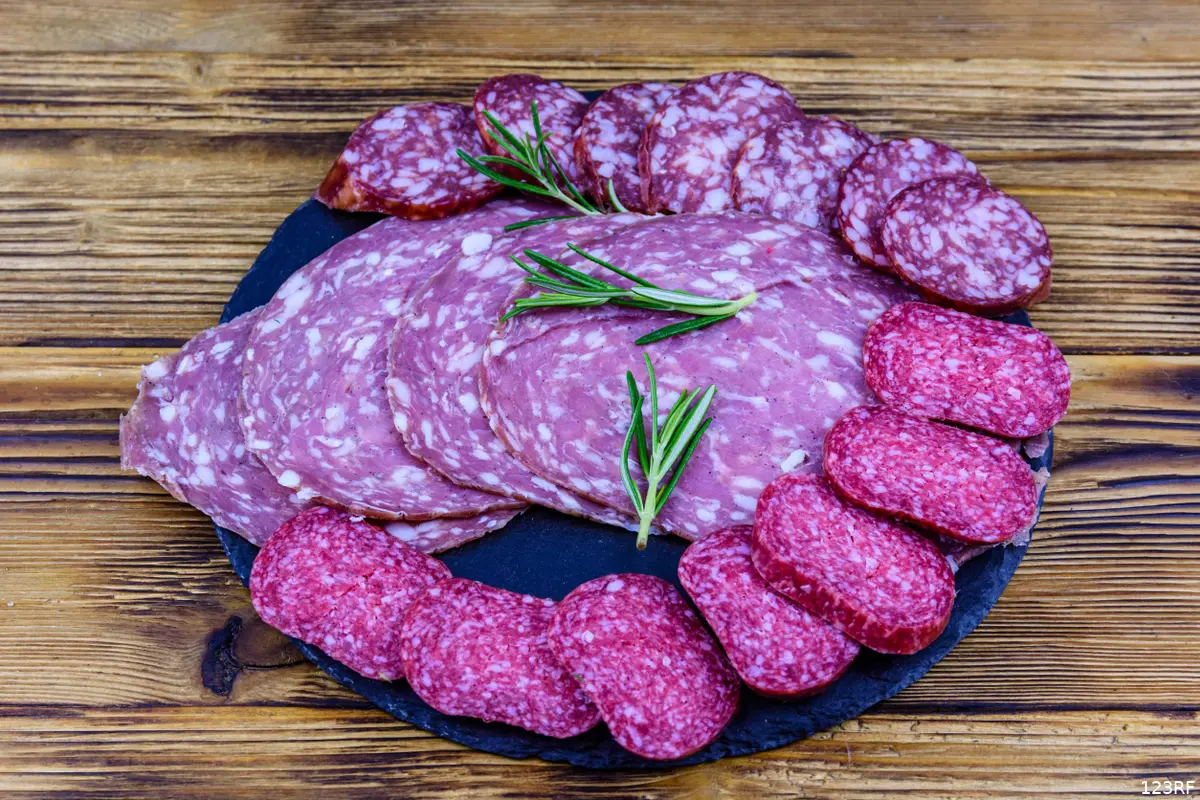
Dat bewerkt vlees niet bepaald bovenaan het lijstje met gezonde voedingsmiddelen staat, is al langer bekend. Een grote nieuwe studie maakt het beeld concreter: wie meer bewerkt vlees eet, heeft een grotere kans op bepaalde vormen van maag- en slokdarmkanker. Opvallend genoeg duikt er bij vrouwen ook een verband op met wit vlees.
Voor de studie werden gegevens van meer dan 450.000 mensen geanalyseerd. Ze werden gemiddeld 14 jaar gevolgd. Daarbij werd gekeken naar slokdarmkanker en verschillende vormen van maagkanker.
De cijfers rond bewerkt vlees springen eruit. Iedere extra 30 gram per dag hing samen met een 9 procent hoger risico op maagkanker en een 13 procent hoger risico op adenocarcinoom van de slokdarm.
Onbewerkt rood vlees
Bij onbewerkt rood vlees werd voor deze specifieke kankersoorten geen significant verband gevonden. Wit vlees leverde een onverwachter resultaat op. Bij vrouwen hing iedere extra 20 gram per dag samen met een 20 procent hoger risico op kanker in het onderste en middelste deel van de maag. Bij mannen werd dat verband niet gevonden.
Waardoor dat verschil ontstaat, is nog onduidelijk. Mogelijke verklaringen zijn stoffen die tijdens het bereiden ontstaan, de afbraak van eiwitten en veranderingen in de darmflora. "Hoewel wit vlees vaak als gezonder wordt beschouwd dan rood of bewerkt vlees, verdient het mogelijke verhoogde kankerrisico door eiwitmetabolisme, veranderingen in de microbiota en bereidingsmethoden nader onderzoek", klinkt het.
Voor bewerkt vlees zijn meer mogelijke schadelijke mechanismen bekend. De verwerking en opslag kunnen een rol spelen, evenals een hoge zoutinname. Zout kan het maagslijmvlies irriteren en schade en ontstekingen veroorzaken.
Bron: Science Alert