
Greg Adams Photography posted a photo:

BertvB posted a photo:

A dramatic sunset over the North Sea coast, captured from a high vantage point overlooking a row of beach cabins.
Nicholas Rougeux, whose work I have featured here before, has published a complete digital edition of William Jardine’s 40-volume book series on natural history published in the early-to-mid 19th-century. As part of the project, Rougeux restored each of the more than 1300 illustrations in the library, and the results are fantastic.
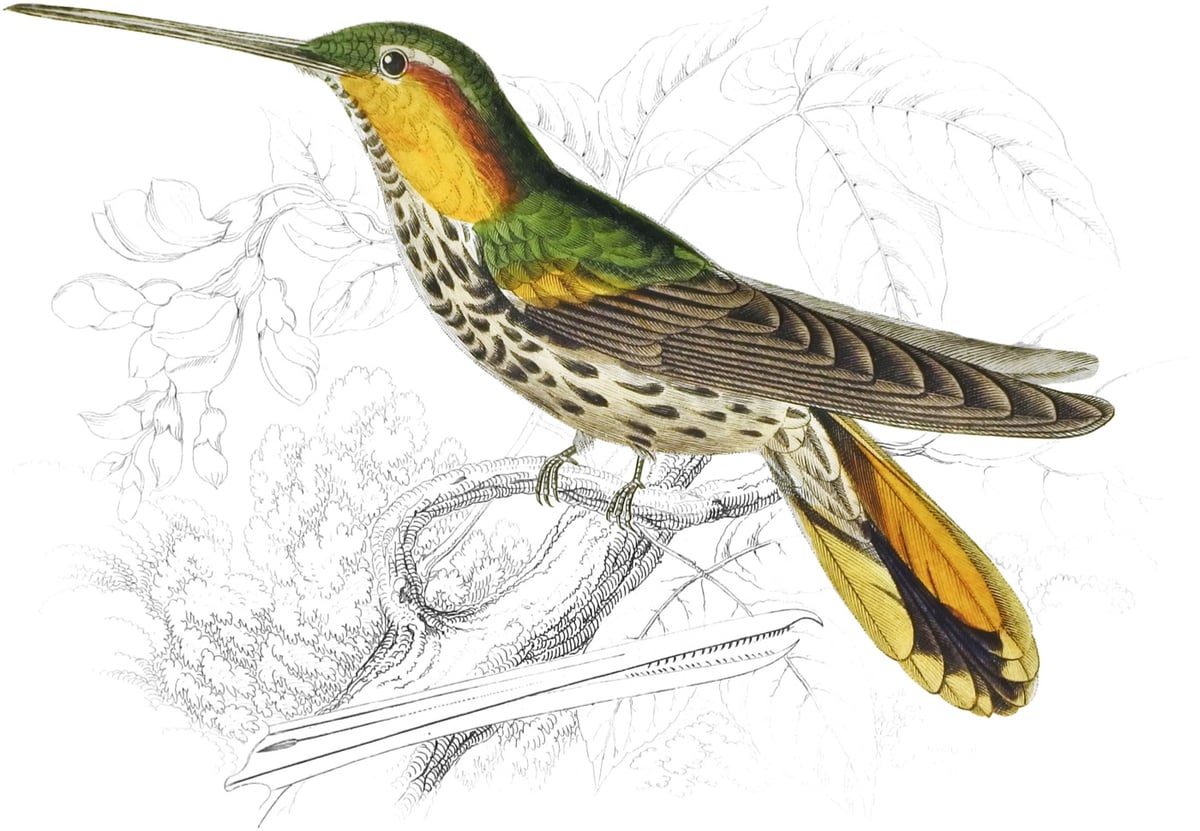
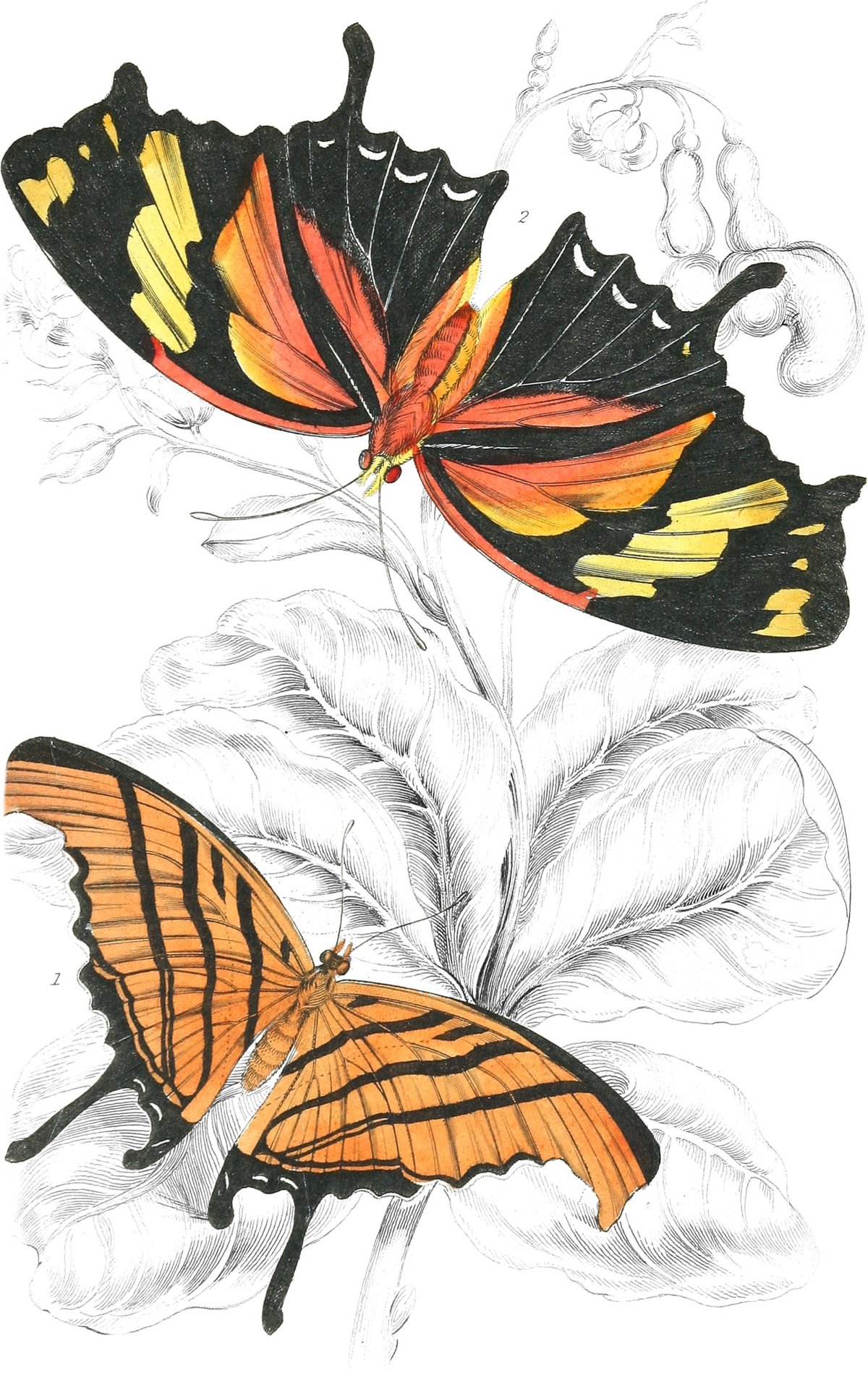
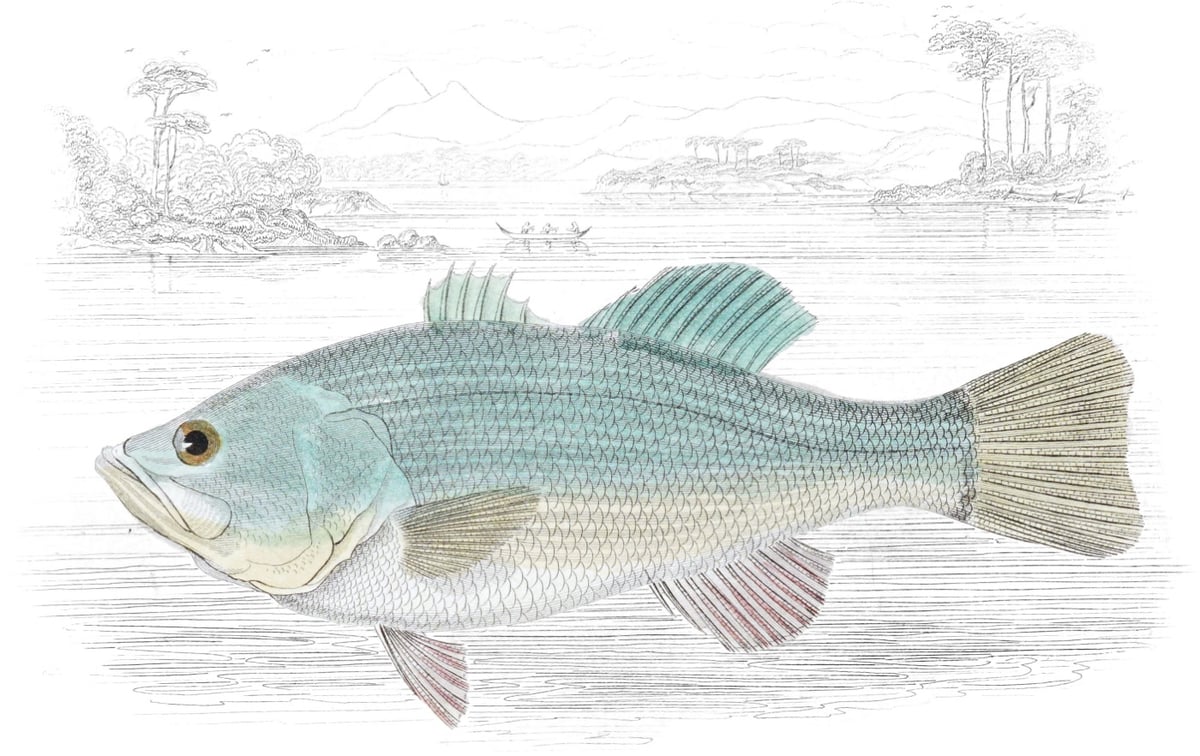
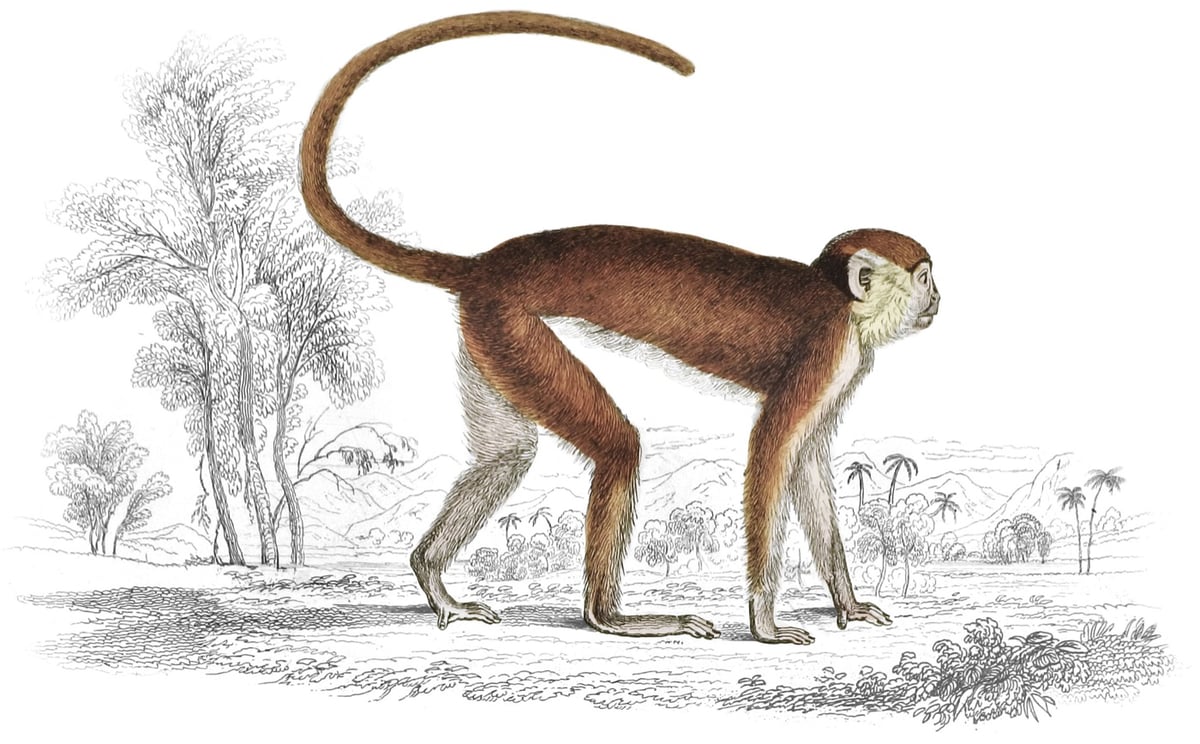
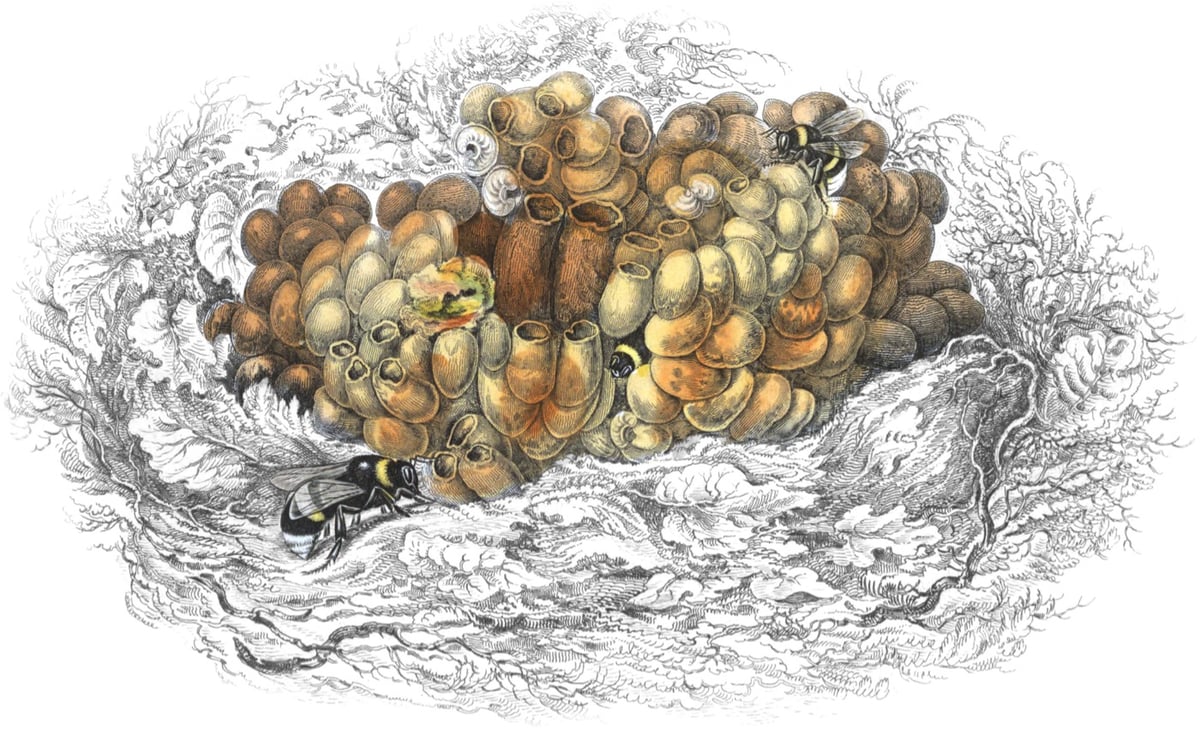
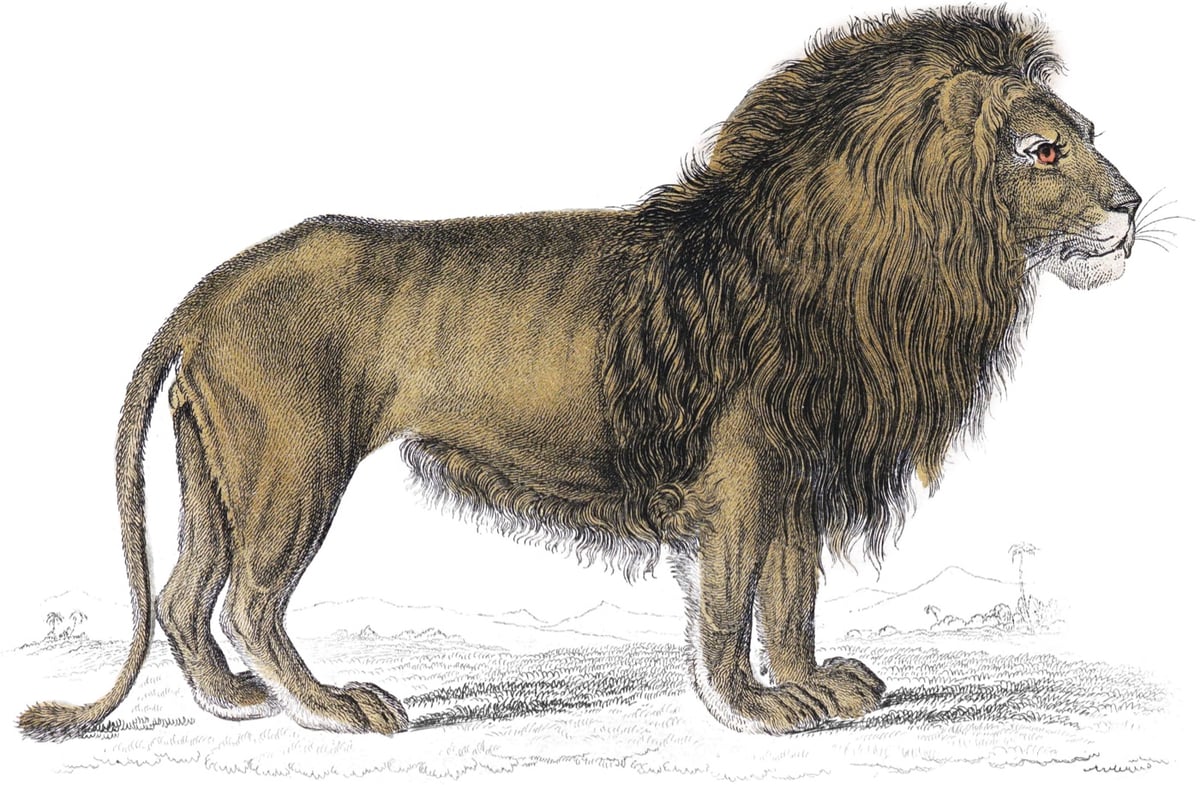
Rougeux wrote a post on the history of The Naturalist’s Library and how the project came about.
The Library is credited with having a significant democratizing effect on the study of natural history because Jardine and Lizars prioritized affordability and portability. Each book was only 4 by 6 inches and priced at six shillings, making them a much more accessible alternative to the “unwieldy folios” from other naturalists. This led to a tremendous demand for each one, resulting in tens of thousands of copies being printed overall. Just two years into publication, a notice appears at the beginning of one volume stating, “we have sold upwards of 60,000 volumes, in which there have been nearly 2,400,000 coloured plates given as Illustration.” Exact sales numbers are difficult to come by but history has shown that the series was very popular with estimates of 10,000 copies sold for each volume, totaling at least 400,000.
In order to help with his research, he borrowed a biography of Jardine from the library and built a custom rig out of K’nex construction toy pieces to scan the whole thing.
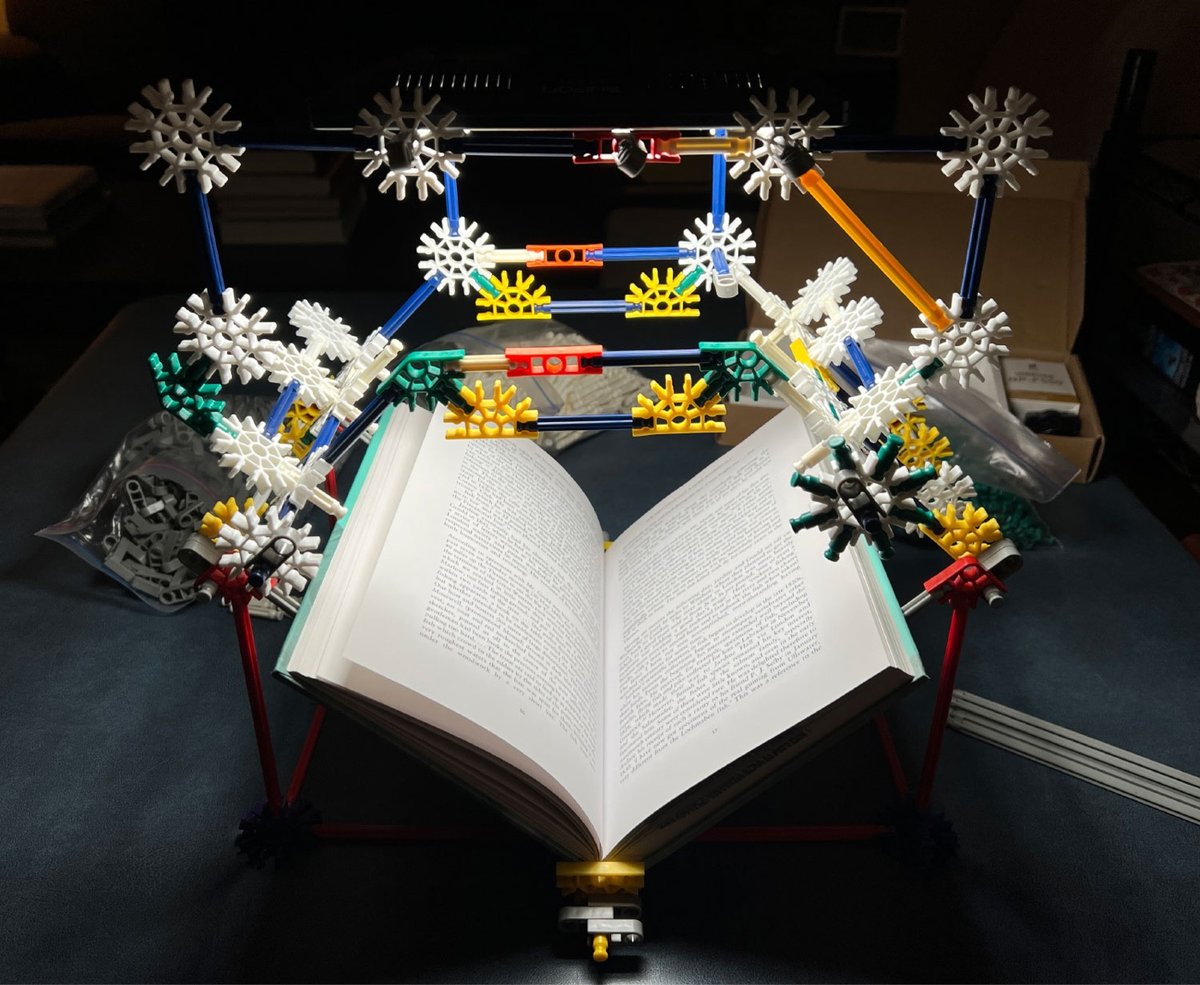
About a month later, I discovered a 2001 biography about Jardine, Sir William Jardine: A Life in Natural History, which only existed as a physical copy. I emailed the publisher to ask for a digital copy but had no luck. So I did what any self-respecting researcher would do and borrowed it on an inter-library loan and made my own digital copy by building a very janky custom rig out of old K’nex parts to take pictures of each page with my phone that I later combined into a searchable PDF. The OCR on it could be improved but having it available digitally allowed me to consult it in my research.
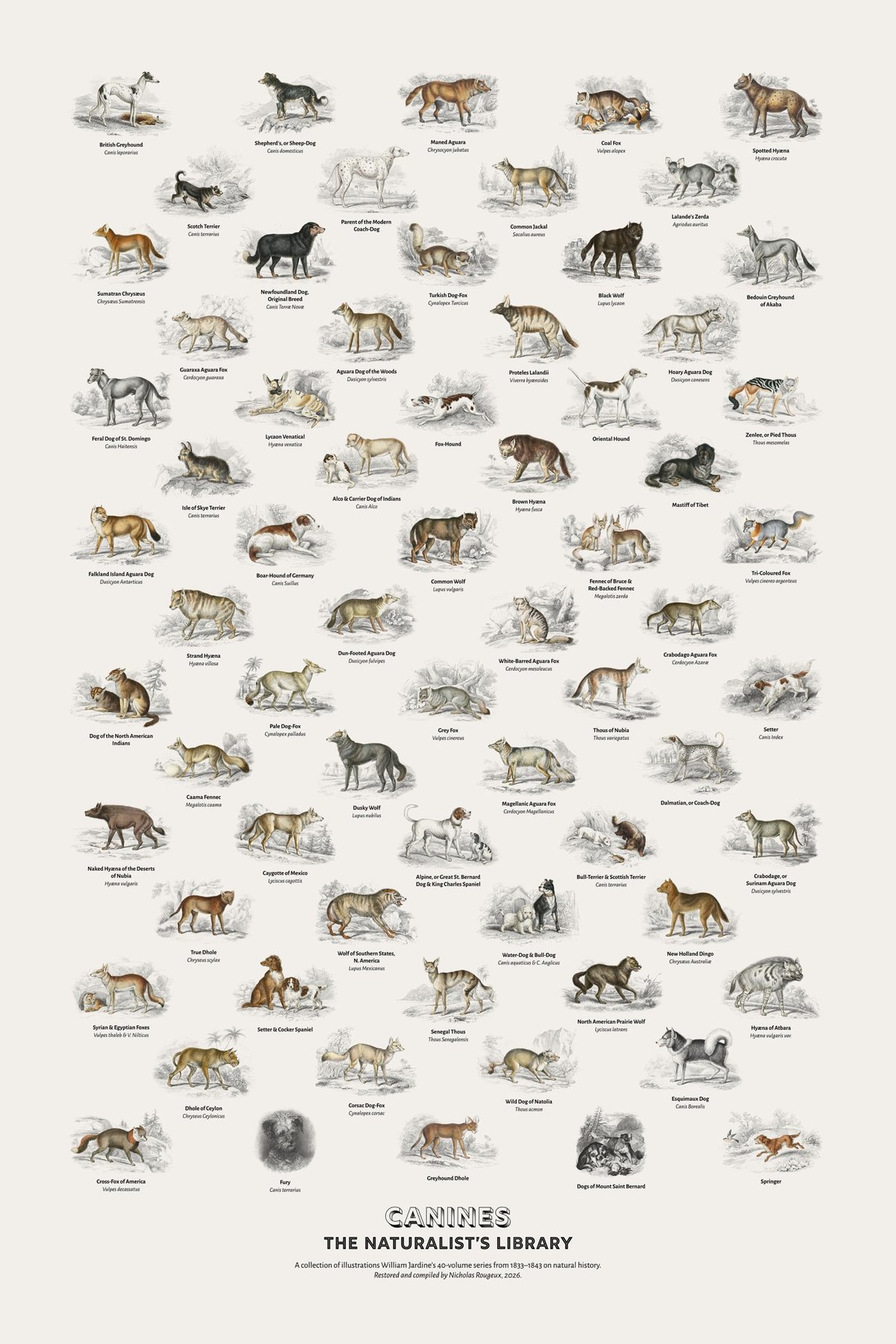
You can check out the shop for posters of the illustrations as well as a complete, bound, 800-page volume of all 1300+ illustrations.
Tags: art · books · design · illustration · Nicholas Rougeux · science · The Naturalist’s Library
A week ago, I had launched this site using QuatroSlab for page titles and Google’s Slabo for body copy. For those that have been around awhile and are familiar with SMACSS, you might recognize QuatroSlab from that site. I like the font and started off with it to see how I’d feel about it on the this new design. Then I chose Slabo as a font that I felt paired well with it.
For the most part, I was fine with it but after finally getting a blog post written and posted under the new design, I was feeling less than thrilled with my choices.
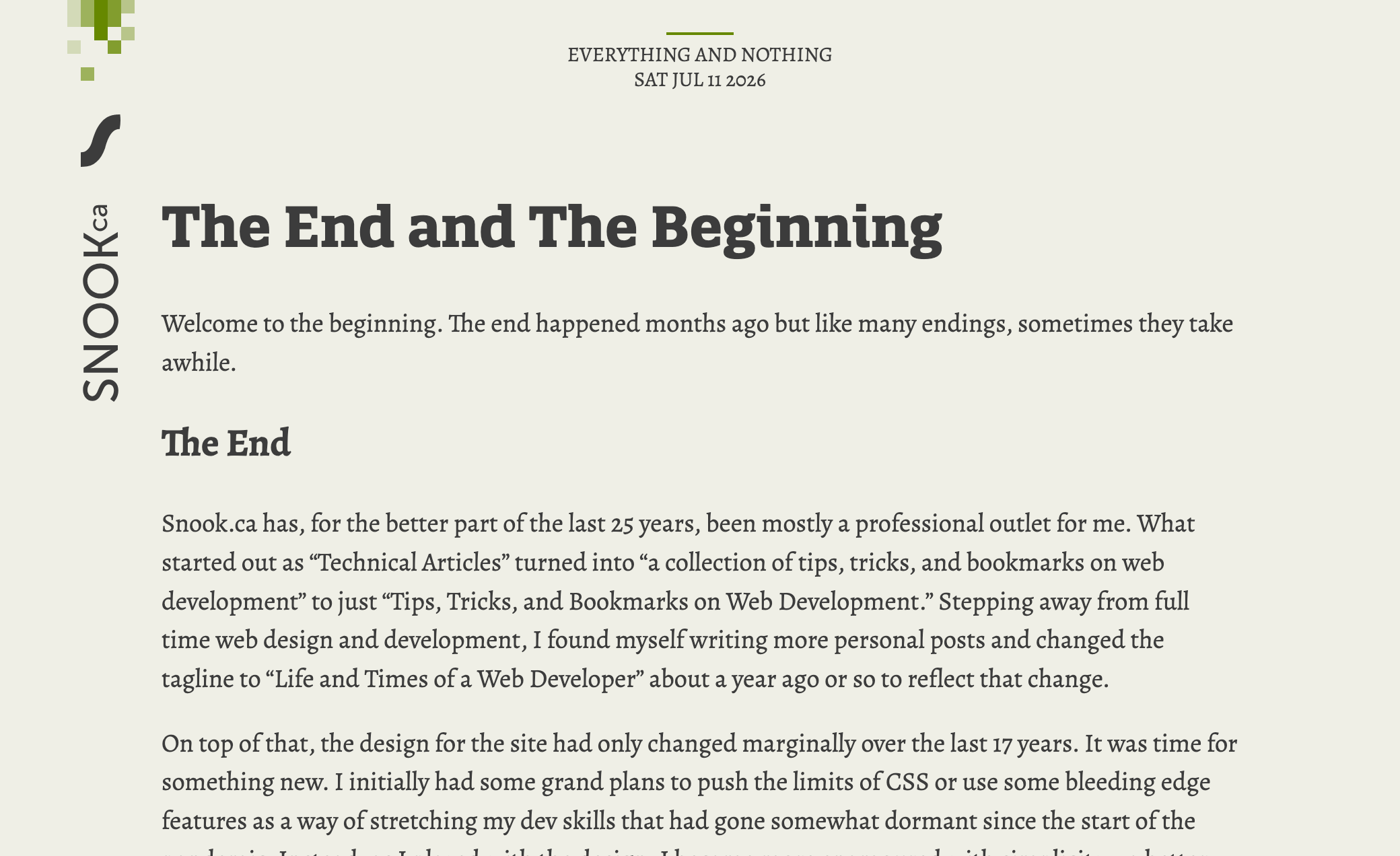
Over yesterday and today, I decided to do some research on fonts and came across Pangram Pangram Foundry. They have some delectable fonts that make me want to do some interesting designs with them. This led me to Fragment. I looked through all the variants and Fragment Text felt just right for the body copy. It felt softer and rounder and more open and friendly than Slabo.
My only complaint is that I want some of the discretionary ligatures in the list of standard ligatures like the Th and ft. The rest of them are too much flourish for body copy. I enabled the ligatures for headings, at least, where some flourish is warranted.
For page headings, though, I wanted something bolder. This is where Pangram Pangram’s Pangaia comes in. I like the slightly retro-modern funky feel that this font brings to the table.
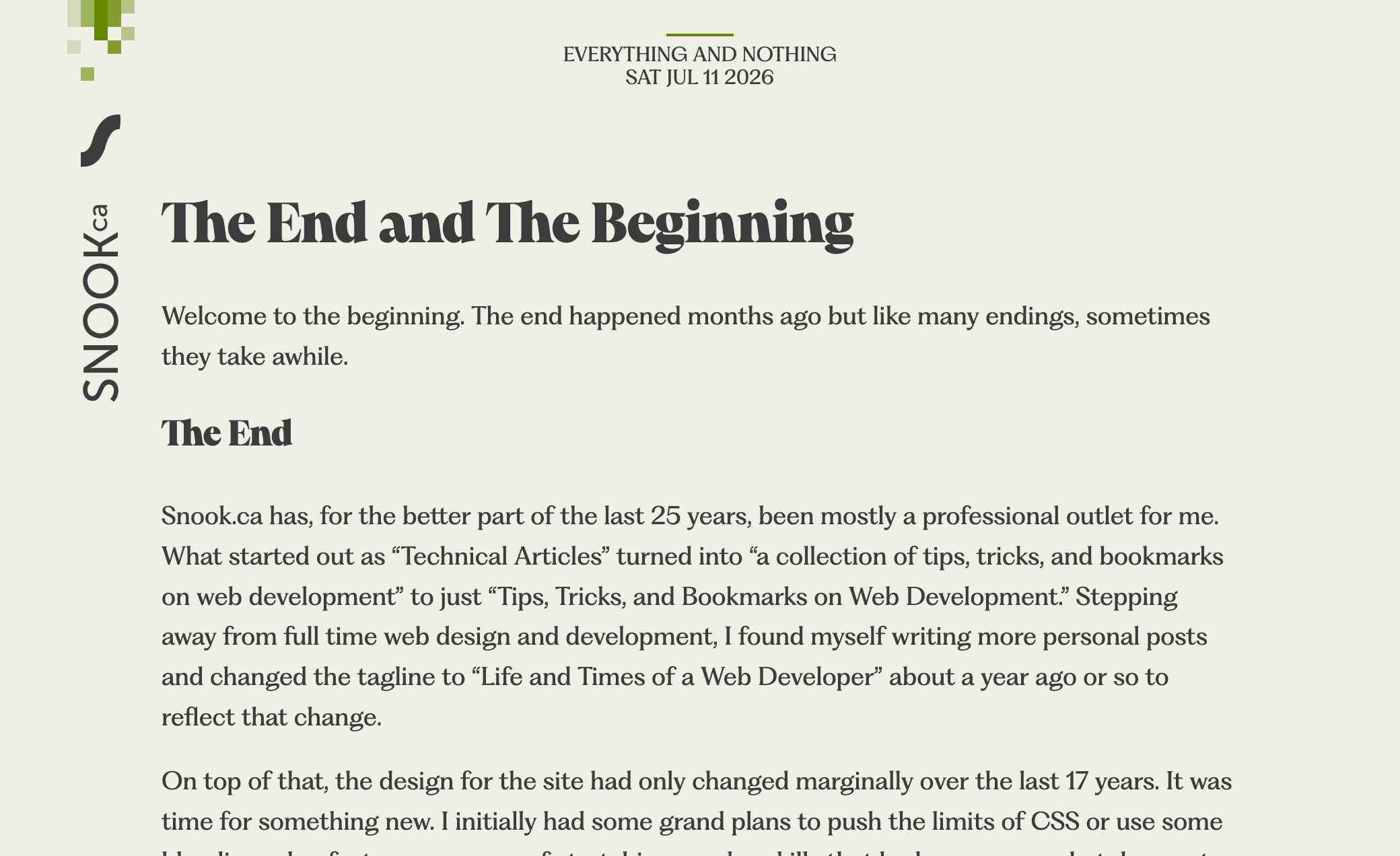
From a technical perspective, this is the first time I’ve taken advantage of OpenType feature capabilities and I found it confusing as I couldn’t find a good explanation of what liga or dlig or ss03 mean or how to know whether a font even supports these.
I’ve learned that you can turn these on or off via CSS’s font-feature-settings property.
font-feature-settings: "ss02", "ss03", "ss04", "dlig", "zero", "onum";
Declaring the value turns them on. You can alternatively, specifically declare them on or off using the words on or off or the numbers 1 or 0. The following would enable features ss02, ss03, zero, and onum; it would disable ss04 and dlig.
font-feature-settings: "ss02" on, "ss03" 1, "ss04" off, "dlig" 0, "zero", "onum";
The question then became about how to figure out which of these features exist in a particular font. For this, I used FontDrop!. It will show you what features are available and what those features look like for that font. FontDrop! is all client-side, too, which is nice. I didn’t want to be uploading files that aren’t mine to someone’s server.
I suspect I will end up tweaking which of these features are on or off as I add more content to the site and decide what works well for a given scenario.


Read more of this story at Slashdot.


